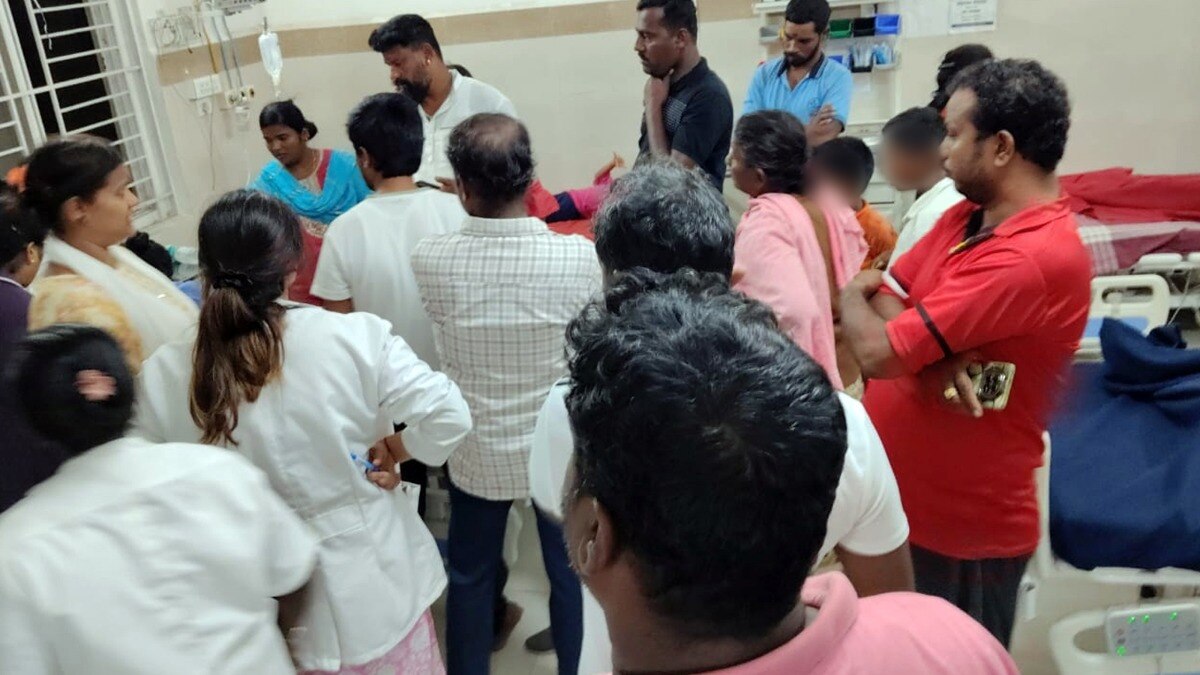
A major H1N1 outbreak at Clarence High School in Bengaluru has left over 500 students and 21 staff members ill. The institution has been shut down for two days as health authorities investigate the source of the infection.
- Over 500 students and 21 staff members affected at Clarence High School.
- Two confirmed cases of H1N1 virus among the students.
- School administration blames poor sanitation and local waste accumulation.
- Campus closed for 48 hours to implement infection control measures.
A severe health crisis has unfolded at Clarence High School in the Richards Town area of Bengaluru. Reports indicate that more than 500 students and 21 staff members have exhibited symptoms of respiratory distress, including high fever, cough, and extreme body aches. Following medical screenings, two students have officially tested positive for the H1N1 influenza strain.
In response to the surge in cases, the school administration has ordered a two-day closure of the campus. This preemptive measure aims to break the chain of transmission and allow health officials to conduct a thorough investigation into the outbreak's origin. The scale of the illness has sparked widespread concern among parents regarding the safety of the school environment.
Sanitation Concerns and Civic Negligence
The school authorities have pointed toward systemic failures in local civic management as a contributing factor. They allege that unhygienic conditions, specifically the accumulation of waste near street food stalls and vendors surrounding the school, created a breeding ground for pathogens. According to the administration, multiple complaints were lodged with civic officials, yet no corrective action was taken to improve the sanitation of the perimeter.
Why This Matters
BozokMedia analysis shows that this incident highlights a critical intersection between urban waste management and public health. In densely populated cities like Bengaluru, the lack of regulated hygiene zones around educational institutions creates a high-risk environment. When respiratory viruses like H1N1 enter such clusters, the rapid transmission rate is amplified by the shared, enclosed spaces of classrooms.
"Schools act as social hubs where respiratory droplets can spread rapidly; without strict perimeter hygiene and ventilation, they become hotspots for influenza outbreaks."
Historical Background: The H1N1 Strain
H1N1 is a subtype of Influenza A virus that caused a global pandemic in 2009. While it has since become a seasonal flu, it remains dangerous for vulnerable populations. In India, seasonal spikes are common during the monsoon months, often exacerbated by overcrowding and poor air quality in metropolitan hubs.
| Symptom | Common Cold | H1N1 (Swine Flu) |
|---|---|---|
| Fever | Rare or Mild | High Fever (Common) |
| Body Ache | Slight | Severe and Exhausting |
| Fatigue | Mild | Severe Fatigue/Chills |
Frequently Asked Questions
Q1: Can street waste cause H1N1?
A: H1N1 is primarily airborne. However, poor overall sanitation and environmental stressors can weaken immune systems, making individuals more susceptible to infection.
Q2: What should parents do if their child shows symptoms?
A: Parents should monitor for high fever or difficulty breathing and seek immediate medical attention from a pediatrician.