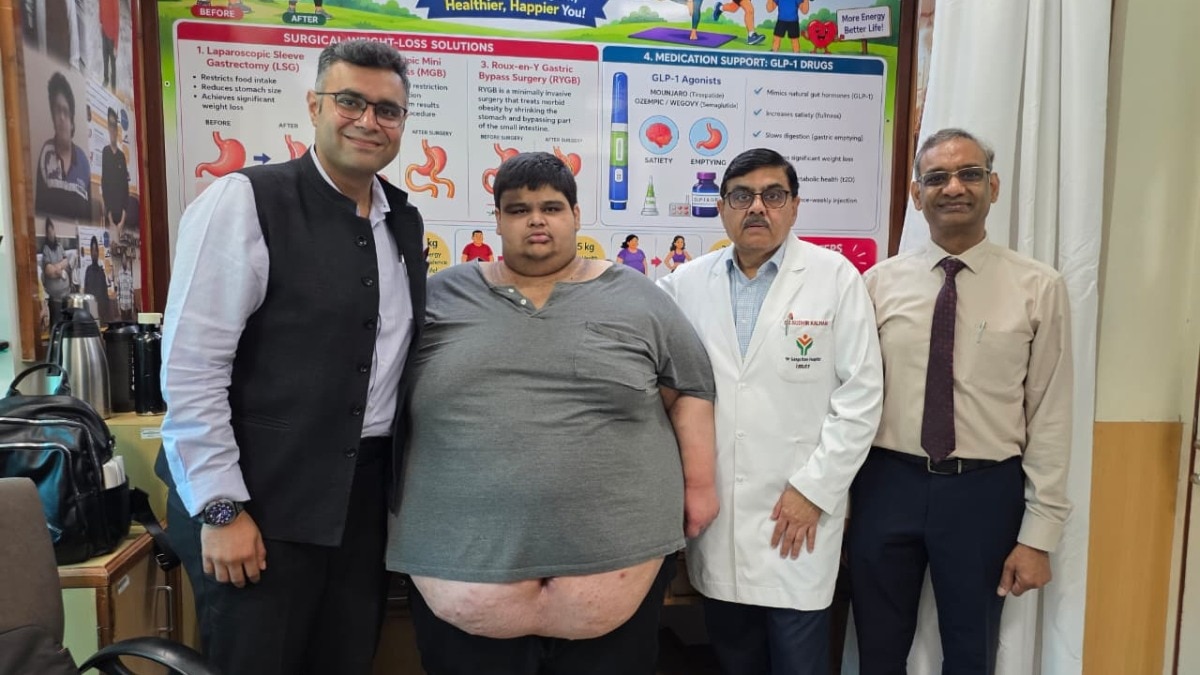
In a high-risk medical procedure, a 16-year-old Delhi boy weighing 275kg underwent a successful laparoscopic sleeve gastrectomy. The teenager has already lost nearly 50kg, marking a critical turning point in his health journey.
- 16-year-old patient weighed 275kg with a BMI approaching 100.
- Required a Matador vehicle for transport and two weeks of PICU care before surgery.
- Multidisciplinary team of 20 specialists coordinated the high-risk procedure.
- Patient lost approximately 50kg within two months post-surgery.
In a remarkable feat of medical coordination, Sir Ganga Ram Hospital in New Delhi has successfully performed a life-saving bariatric surgery on a 16-year-old boy. The patient, who weighed nearly 275 kg, suffered from extreme obesity that had rendered him immobile and severely compromised his respiratory functions. The situation was so critical that the teenager could not fit into a standard car and had to be transported to the facility in a Matador vehicle.
Upon admission, the medical team discovered that the patient was battling severe obstructive sleep apnoea and widespread skin infections. Due to the extreme risks associated with his weight and BMI—which was approaching 100—the patient was not immediately eligible for surgery. He spent nearly two weeks in the Paediatric Intensive Care Unit (PICU) to stabilize his breathing and treat systemic infections.
A Multidisciplinary Medical Effort
The complexity of the case required an unprecedented level of collaboration. A team of nearly 20 specialists, including experts in paediatric critical care, bariatric surgery, gastroenterology, cardiology, and anaesthesia, conducted a comprehensive risk assessment. They evaluated the challenges of anaesthesia delivery, patient positioning on the operating table, and laparoscopic access given the patient's massive body habitus.
"This was not a routine bariatric operation; our priority was to make him medically fit for surgery and ensure we were prepared for every possible challenge during and after the procedure." - Dr. Daksh Sethi, Lead Bariatric Surgeon.
The surgery, a laparoscopic sleeve gastrectomy, was performed by a specialized team including Dr. Daksh Sethi, Dr. Sudhir Kalhan, Dr. Mukund Khetan, and Dr. Suviraj John. Despite the technical hurdles, the procedure was a success, and the patient was discharged just three days later.
Why This Matters
BozokMedia analysis shows that this case highlights a growing trend of morbid obesity among adolescents in urban India. While bariatric surgery is often reserved for adults, this case demonstrates that when conservative measures fail and life-threatening complications arise, surgical intervention in teenagers can be a viable, life-saving option. The coordination between paediatric and adult surgical specialties is crucial for such outcomes.
| Metric | Pre-Surgery | 2 Months Post-Surgery |
|---|---|---|
| Weight | ~275 kg | ~223 kg |
| Mobility | Severely Restricted | Improving |
| Health Status | Critical (Sleep Apnoea) | Stabilizing |
Two months following the procedure, the results are highly encouraging. The teenager has lost approximately 52 kg. However, the medical team emphasizes that the goal is not merely a number on a scale, but the restoration of long-term health, improved mobility, and the prevention of cardiovascular complications.
Frequently Asked Questions
Is bariatric surgery safe for teenagers?
It is considered a last resort for adolescents with morbid obesity and severe comorbidities, requiring a multidisciplinary team and strict medical optimization.
What is the primary goal of this surgery in young patients?
The primary goal is to change the health trajectory, reduce life-threatening risks like sleep apnoea, and improve overall quality of life.
