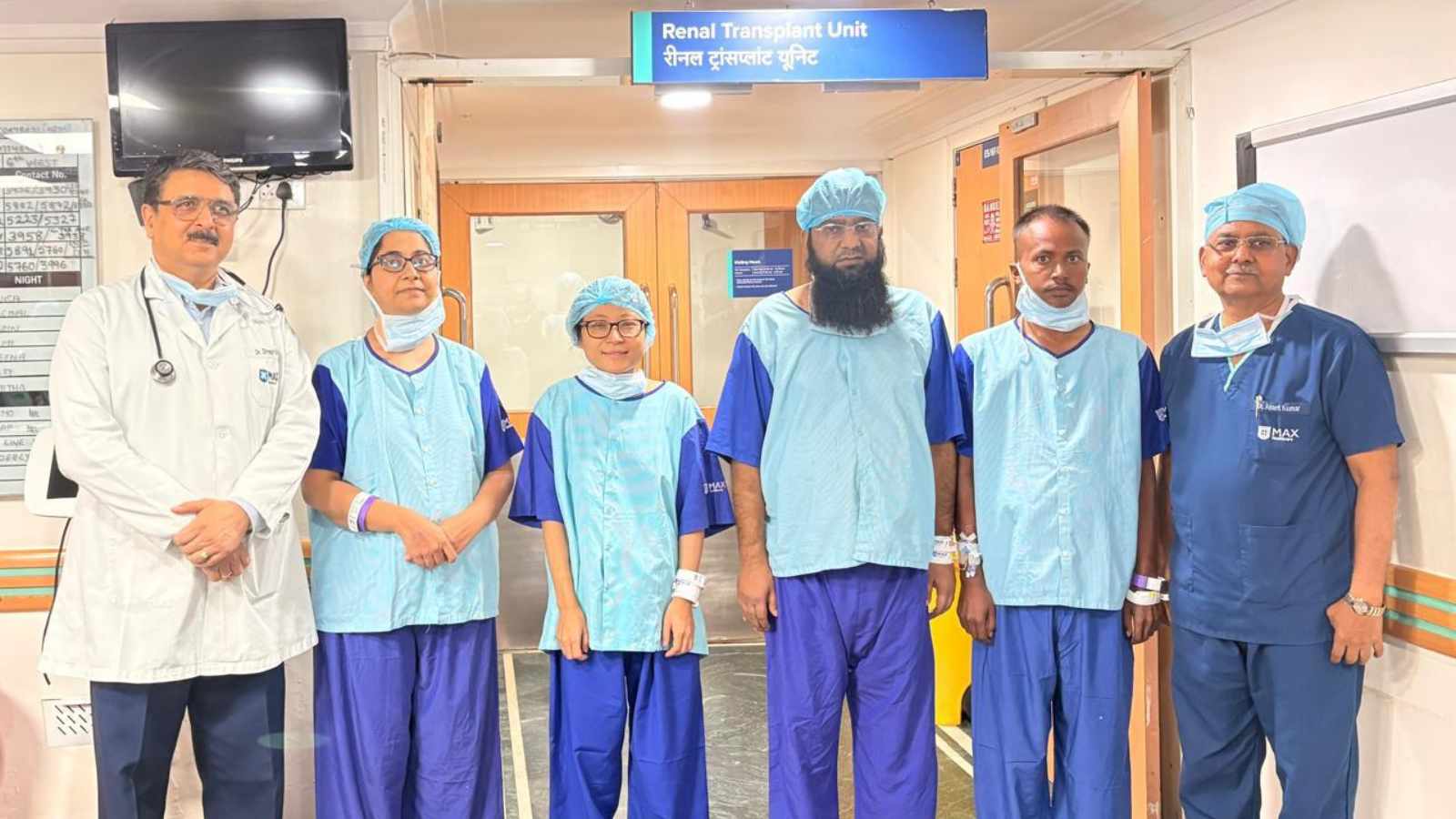
In a remarkable display of human solidarity, four families from across India successfully completed a complex four-way kidney swap following a landmark Delhi High Court ruling.
- Four families from Nagaland, Kashmir, Punjab, and Bihar participated in a kidney exchange.
- The Delhi High Court cleared the legal path for multi-pair swaps.
- Eight simultaneous surgeries were performed to complete the life-saving chain.
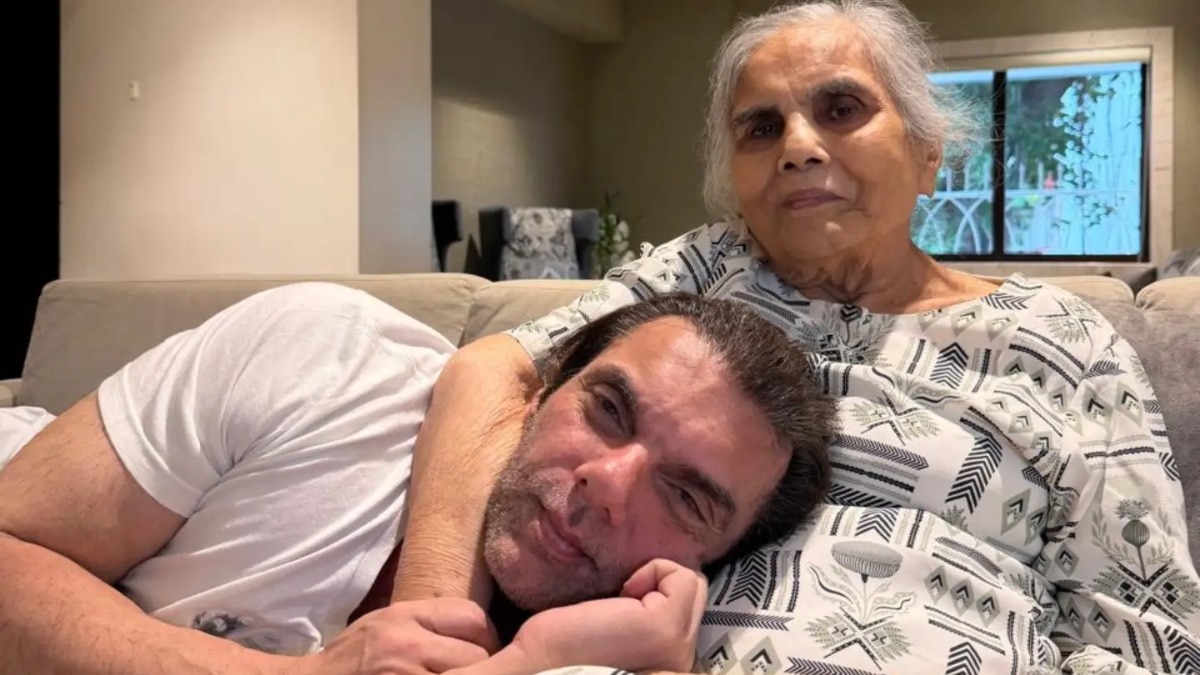
It sounds like a scripted drama: four families from four different corners of India, connected by nothing but a shared desperation to save their loved ones. Families from Nagaland, Kashmir, Punjab, and Bihar, despite their diverse backgrounds, found themselves in the same biological deadlock. Their loved ones needed kidney transplants, but their willing donors were incompatible due to blood group mismatches or high levels of sensitization.
To solve this, they turned to a concept known as a kidney swap. Instead of giving a kidney to their own relative, Donor A would give to Recipient B, Donor B to Recipient C, Donor C to Recipient D, and Donor D back to Recipient A. This creates a closed loop of life-saving donations among strangers.
Why This Matters
The complexity of such an exchange increases exponentially with each additional pair. BozokMedia analysis shows that as the chain grows, the immunological requirements become much more stringent. Doctors must ensure that every single link in the chain is biologically compatible to prevent the recipient's immune system from attacking the new organ.
"Matching donors with unrelated recipients is a very tedious and complex task," noted Dr. Anant Kumar, the lead surgeon of the operation.
Breaking the Legal Deadlock
Despite the medical feasibility, the families hit a massive legal wall. The Authorisation Committee, acting under the Transplantation of Human Organs and Tissues Act (THOTA), initially rejected the four-way swap. They interpreted the law as only permitting exchanges between two donor-recipient pairs.
However, a turning point arrived on May 26, 2026, when the Delhi High Court intervened. In the case of Shivani Khurana & Ors. v. Union of India & Ors., Justice Purushaindra Kumar Kaurav ruled that the law does not impose a statutory ceiling on the number of pairs in a swap. The court clarified that the terminology used in the Act was illustrative and should not be used to restrict life-saving medical advancements.
Following this judicial clarity, on July 13, 2026, the massive operation took place at Max Super Speciality Hospital, Saket. Eight people underwent surgery in a highly coordinated effort, with kidneys being moved between operating theaters in ice bowls to ensure viability.
Frequently Asked Questions
1. What is a kidney swap?
A kidney swap is a procedure where incompatible donor-recipient pairs exchange organs so that everyone in the chain receives a compatible kidney.
2. Why was the Delhi High Court ruling important?
It removed the legal restriction that limited kidney swaps to only two pairs, allowing for larger, more efficient chains that can save more lives.