A groundbreaking study reveals that London's Ultra Low Emission Zone (ULEZ) has triggered an unexpected and rapid recovery in the lung capacity of young children.
- London's ULEZ implementation led to a significant 'catch-up' in children's lung growth.
- A 5-year study of 3,400 children showed clinical impairment rates dropped from 14% to 9%.
- Clean air zones are proven to be highly effective in mitigating childhood pollution damage.
In a revelation that has left the scientific community 'stunned,' new research indicates that children living in London's Ultra Low Emission Zone (ULEZ) are experiencing rapid improvements in lung function. The study suggests that the reduction in harmful pollutants has allowed young lungs, previously stunted by poor air quality, to undergo an impressive recovery process.
Researchers followed more than 3,400 primary school children in London and Luton over a five-year period. The findings provide the strongest evidence to date that localized clean air interventions can effectively reverse some of the physiological damage caused by urban pollution during critical developmental years.
Why This Matters
BozokMedia analysis shows that the implications of this study extend far beyond London. Air pollution is a global silent killer that disproportionately affects children, whose immune systems and respiratory organs are still maturing. This study validates the massive public health investment in emission-control zones, proving that aggressive environmental policy yields direct biological benefits.
"The speed of catch-up in lung capacity in the London group was surprising and impressive. This shows an ambitious clean air zone can drive pollution levels down, rapidly restoring children's stunted lung growth." - Prof. Chris Griffiths
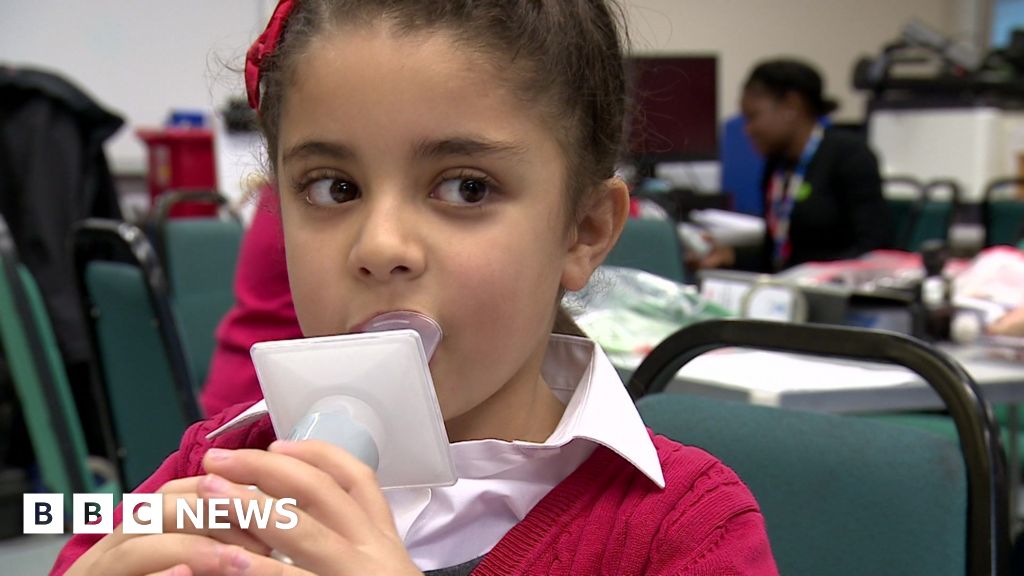
The study utilized annual lung function tests to measure how much air children could forcibly exhale. Initially, children in London showed significantly lower lung capacity compared to their peers in Luton. However, by the end of the study, the London group had nearly reached the same capacity levels as the Luton group, effectively 'catching up' through accelerated growth spurred by cleaner air.
Historically, the link between air quality and mortality has been tragically documented. In 2020, Ella Adoo-Kissi-Debrah became the first person in the UK to have air pollution officially listed as a cause of death following an asthma attack. Her case became a catalyst for the implementation of stricter emission standards across the capital.
Frequently Asked Questions
1. How does ULEZ work?
The Ultra Low Emission Zone charges drivers of older, more polluting vehicles to enter specific areas, incentivizing the use of cleaner transportation.
2. Were there other factors involved in the lung recovery?
While pollution reduction is the primary driver, experts suggest that cleaner air may have encouraged more children to walk or cycle to school.