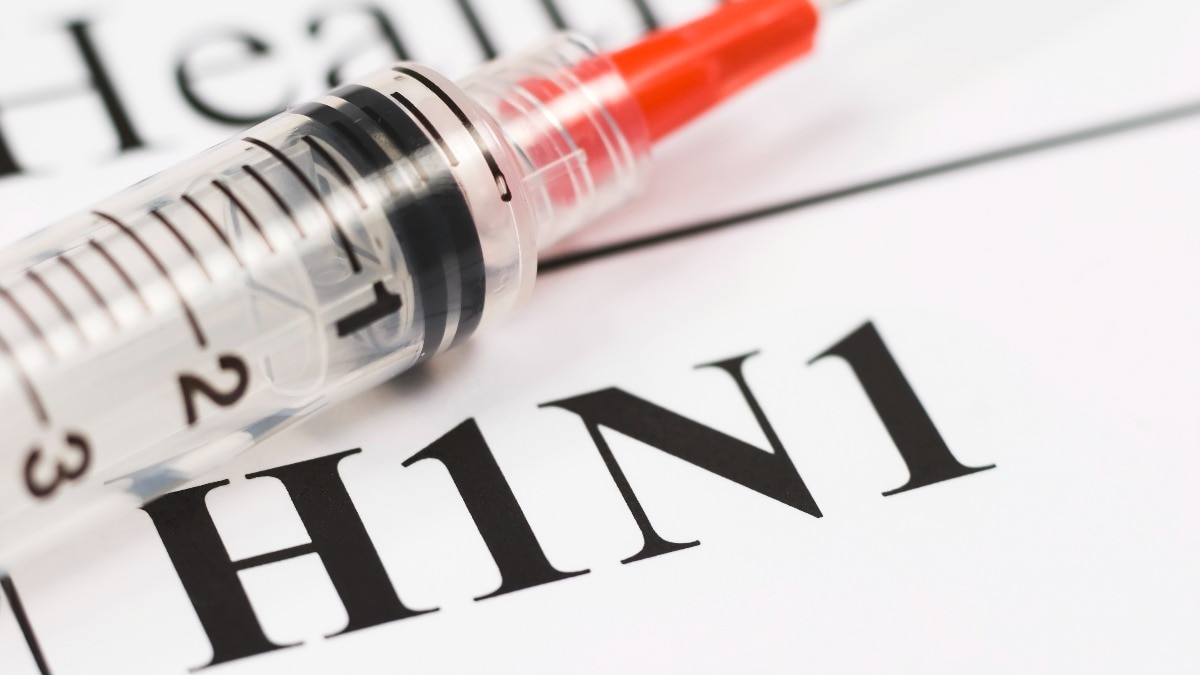
Delhi-NCR is facing a significant rise in H1N1 (swine flu) and respiratory infections due to monsoon conditions. With medical professionals and hospital heads testing positive, health experts are warning of falling oxygen levels in patients.
- Delhi-NCR is witnessing a sharp spike in H1N1 and respiratory infections during the monsoon.
- The infection has spread to medical professionals, including a Delhi government hospital head.
- Patients are reporting declining oxygen levels, indicating severe respiratory complications.
- High-risk groups like children, elderly, and pregnant women are at extreme risk.
The Delhi-NCR region is currently grappling with a surge in H1N1 (swine flu) and various other respiratory infections, fueled by humid and volatile monsoon weather. Health experts have noted a significant increase in patients presenting with flu-like symptoms across the capital and its surrounding areas.
In a worrying development, the infection is not limited to the general public; several healthcare professionals, including the head of a prominent Delhi government hospital, have reportedly tested positive for H1N1. This trend is particularly alarming as it impacts the very individuals responsible for managing the public health crisis. Furthermore, some patients have been reported to experience a dangerous drop in oxygen saturation levels.
H1N1 vs. Common Cold: Distinguishing the Symptoms
One of the primary challenges in managing this outbreak is the overlapping symptoms between H1N1 and the common cold. While a cold typically develops gradually, H1N1 often strikes suddenly with high intensity.
| Symptom | H1N1 (Swine Flu) | Common Cold |
|---|---|---|
| Onset | Sudden and acute | Gradual development |
| Fever | High-grade fever | Low-grade or none |
| Body Ache | Severe muscle/body aches | Mild aches |
| Key Features | Dry cough, extreme fatigue | Sneezing, runny nose |
The hallmark symptoms of H1N1 include high-grade fever, a persistent dry cough, severe body aches, headache, sore throat, and profound fatigue. In pediatric cases, symptoms such as vomiting or diarrhea may also manifest. To confirm the diagnosis, medical professionals recommend RT-PCR testing.
Why This Matters
BozokMedia analysis shows that the infection of medical personnel creates a critical vulnerability in the healthcare infrastructure. When frontline doctors are incapacitated, the capacity to treat the rising influx of patients diminishes, potentially leading to a systemic collapse during peak infection periods.
For India, this could add another layer of diagnostic complexity, particularly because influenza and other respiratory infections produce overlapping symptoms.
Dr. Ishwar Gilada, a leading consultant in infectious diseases, highlighted that the prevalence of multiple respiratory viruses makes accurate diagnosis a significant hurdle. Vulnerable populations, including pregnant women, the elderly, children, and those with pre-existing conditions like diabetes or chronic lung disease, are urged to seek medical attention immediately upon the onset of symptoms.
Frequently Asked Questions
1. What are the emergency warning signs of H1N1?
Shortness of breath, chest pain, bluish discoloration of lips, and confusion are signs that require immediate emergency care.
2. How can I prevent H1N1 infection?
Regular hand hygiene, getting the annual influenza vaccine, following cough etiquette, and staying home when symptomatic are key preventive measures.