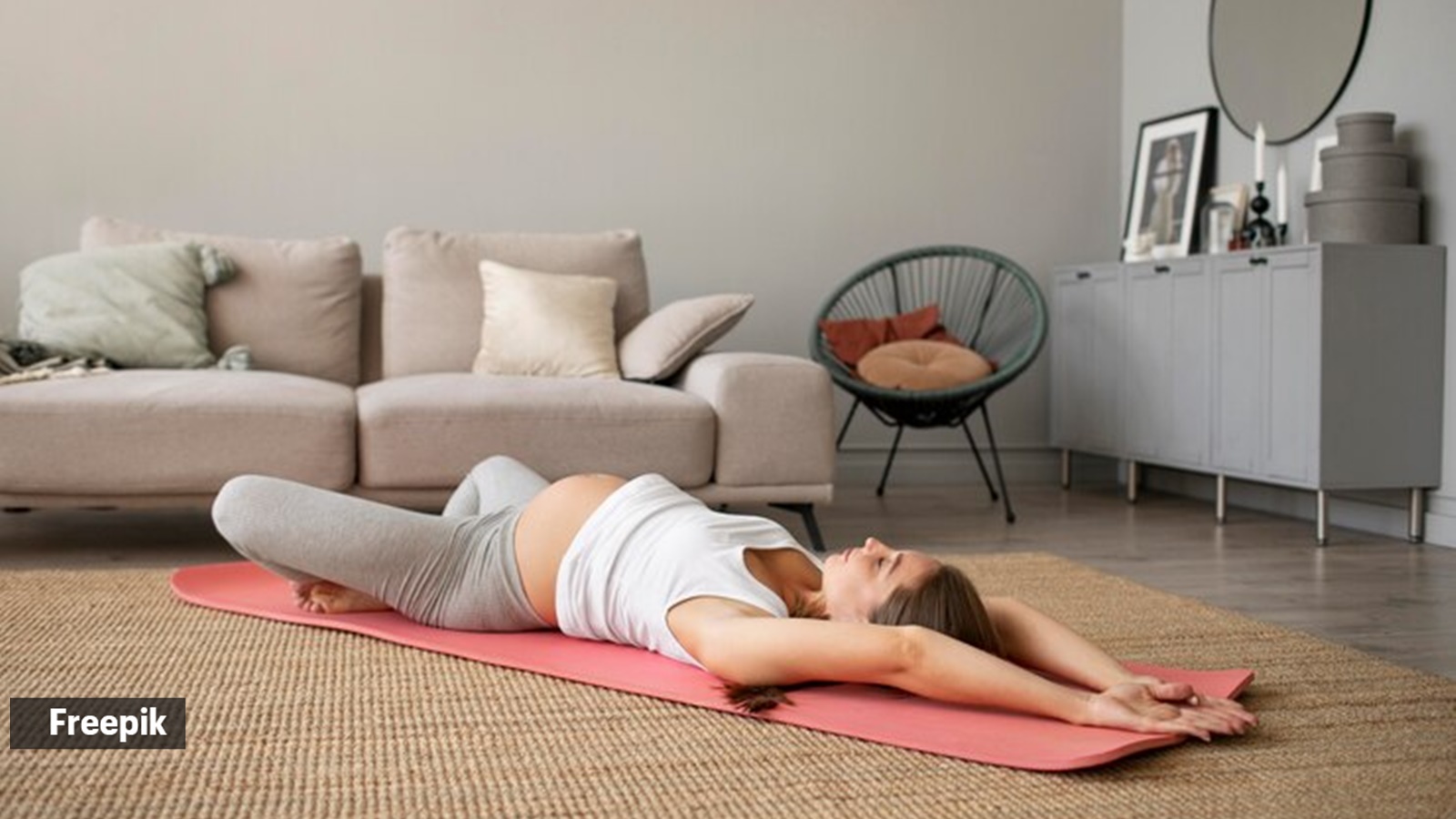
The restorative yoga pose 'Supta Baddha Konasana' can offer relief from acid reflux when combined with proper dietary habits and lifestyle changes.
- Supta Baddha Konasana (Reclined Bound Angle Pose) aids relaxation and digestion.
- Yoga should be paired with avoiding sugar and junk food for best results.
- Waiting 2-3 hours after eating before lying down is crucial to prevent reflux.
Acid reflux has become a widespread issue driven by modern, unhealthy lifestyles. While medication is common, many are turning to holistic practices like yoga for relief. Yoga practitioner Shalu Chaudhary suggests that a simple 5-minute daily routine involving Supta Baddha Konasana can provide significant soothing effects.
Understanding Supta Baddha Konasana
Supta Baddha Konasana, also known as the Reclined Bound Angle Pose, is a restorative posture. When practiced with deep, diaphragmatic breathing, it helps relax the nervous system and can potentially alleviate the discomfort associated with heartburn and gastric acid flow.
According to Dr. Nadendla Hazarthaiah, a consultant surgical gastroenterologist, the pose encourages relaxation and reduces abdominal pressure. By promoting better breathing patterns, it helps manage the stress that often exacerbates digestive issues.
Why This Matters
BozokMedia analysis shows that as sedentary lifestyles increase, gastrointestinal disorders are on the rise globally. Integrating mindful movement like yoga into daily routines is becoming a critical component of preventive healthcare.
Approach yoga with a holistic perspective, combining it with dietary modifications for comprehensive management.
However, medical experts emphasize that yoga is not a standalone cure. Dr. Sri Karan Uddesh Tanugula points out that the physical act of lying down immediately after a meal can cause stomach acid to flow back into the esophagus. Therefore, a gap of at least two to three hours between eating and resting is highly recommended.
Historical Background
Yoga has been practiced for millennia as a way to harmonize the body's internal systems. Restorative poses like the one mentioned have traditionally been used to calm the 'Vata' dosha (in Ayurvedic terms), which is often associated with digestive irregularities.
Frequently Asked Questions
1. Can yoga replace antacids?
Yoga is a complementary practice. You should always consult a healthcare professional before changing your medical regimen.
2. Is it safe to do this pose if I have severe pain?
If you experience acute pain, stop immediately and consult a doctor. Always use support like pillows under your back.