Delhi is witnessing a significant surge in H1N1 (Swine Flu) cases, with over 1,700 infections reported this year. Health Minister Pankaj Kumar Singh has ordered hospitals to set up dedicated wards and ensure medical preparedness.
- Delhi has recorded over 1,700 Swine Flu (H1N1) cases so far this year.
- Health Minister Pankaj Kumar Singh has directed hospitals to ensure adequate facilities and separate wards.
- Experts link increased symptom severity to rising air pollution levels.
- High-risk groups include the elderly, pregnant women, and young children.
The national capital, Delhi, is grappling with a sharp rise in seasonal influenza and Swine Flu (H1N1) infections amidst the ongoing monsoon season. Health department officials confirmed on Friday that more than 1,700 cases have been logged in the city this year. In response to the escalating numbers, Delhi Health Minister Pankaj Kumar Singh is set to meet Union Health Minister J.P. Nadda to review the capital's healthcare preparedness and infection control measures.
Government Response and Hospital Readiness
Addressing the rising numbers, Minister Pankaj Kumar Singh urged the public not to panic, stating that the situation remains under control. "The government is closely monitoring the situation. All government hospitals have been directed to ensure adequate treatment facilities and set up separate wards specifically for swine flu patients," the Minister stated. Authorities are currently mapping infection patterns and identifying potential hotspots to contain the spread.
Why This Matters
BozokMedia analysis shows that the intersection of monsoon-driven viral surges and urban pollution creates a complex health crisis for metropolitan areas. The sudden influx of respiratory illnesses can strain hospital bed availability and outpatient services, necessitating proactive government intervention.
"Most healthy individuals recover well, but influenza can become serious in vulnerable populations like the elderly and pregnant women." - Dr. Rishikesh Desai
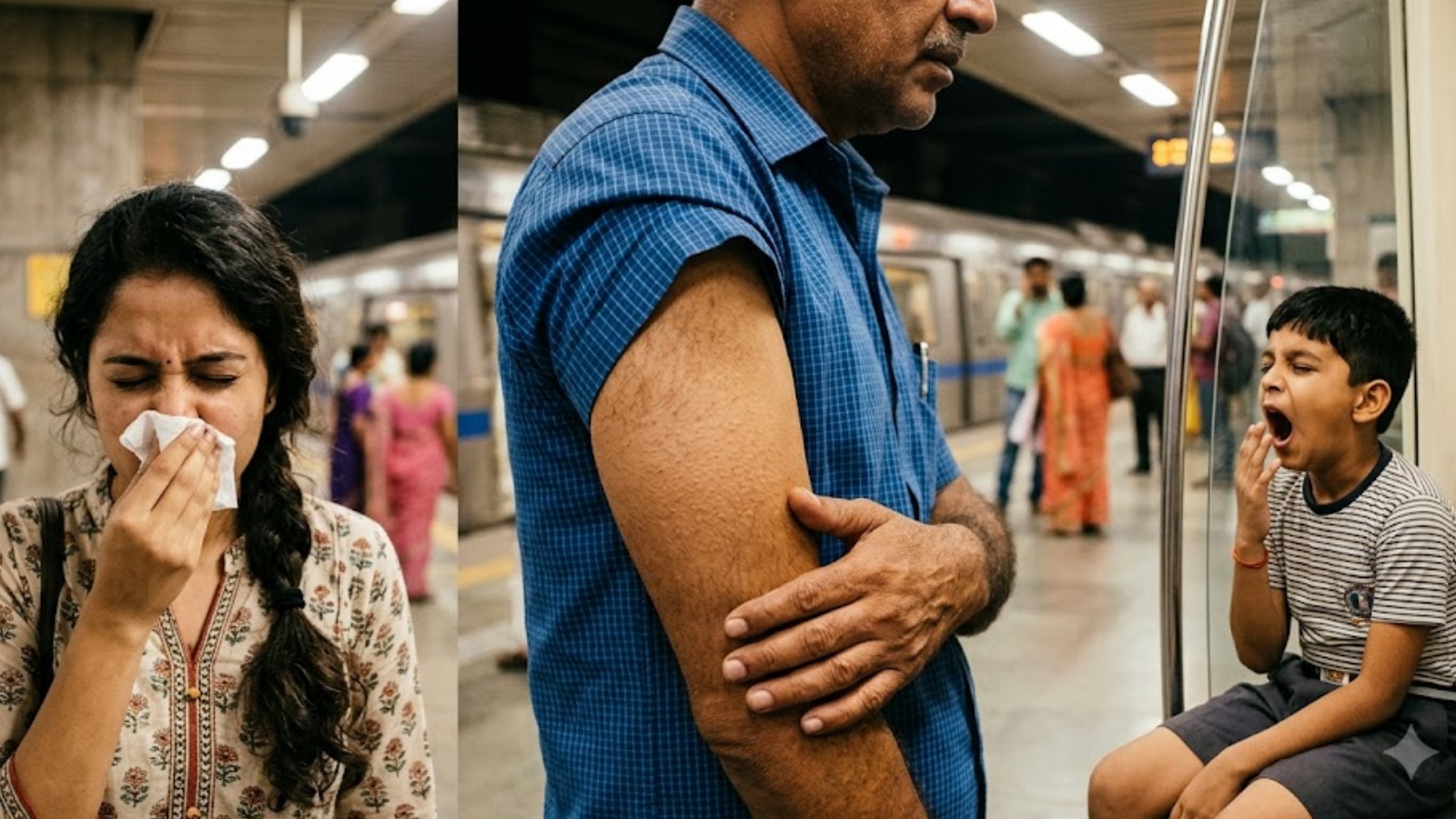
Medical professionals at leading institutions, including Sir Ganga Ram Hospital and Fortis Hospital, have noted a marked increase in patients presenting with influenza-like symptoms. Dr. Neha Rastogi Panda highlighted that this season, doctors are observing more prolonged coughs and intense fevers, potentially exacerbated by lung inflammation caused by particulate air pollution.
Historical Background: The H1N1 Context
The H1N1 virus, commonly known as Swine Flu, gained global notoriety during the 2009 pandemic. Since then, it has become a seasonal threat that recurs in many parts of the world, particularly in densely populated urban centers where transmission can occur rapidly through respiratory droplets.
Frequently Asked Questions
Q1: What are the common symptoms of H1N1?
A1: Common symptoms include fever, cough, sore throat, headache, body aches, and fatigue.
Q2: How can one prevent the spread of Swine Flu?
A2: Key prevention methods include frequent hand hygiene, wearing masks, staying home when symptomatic, and getting vaccinated.