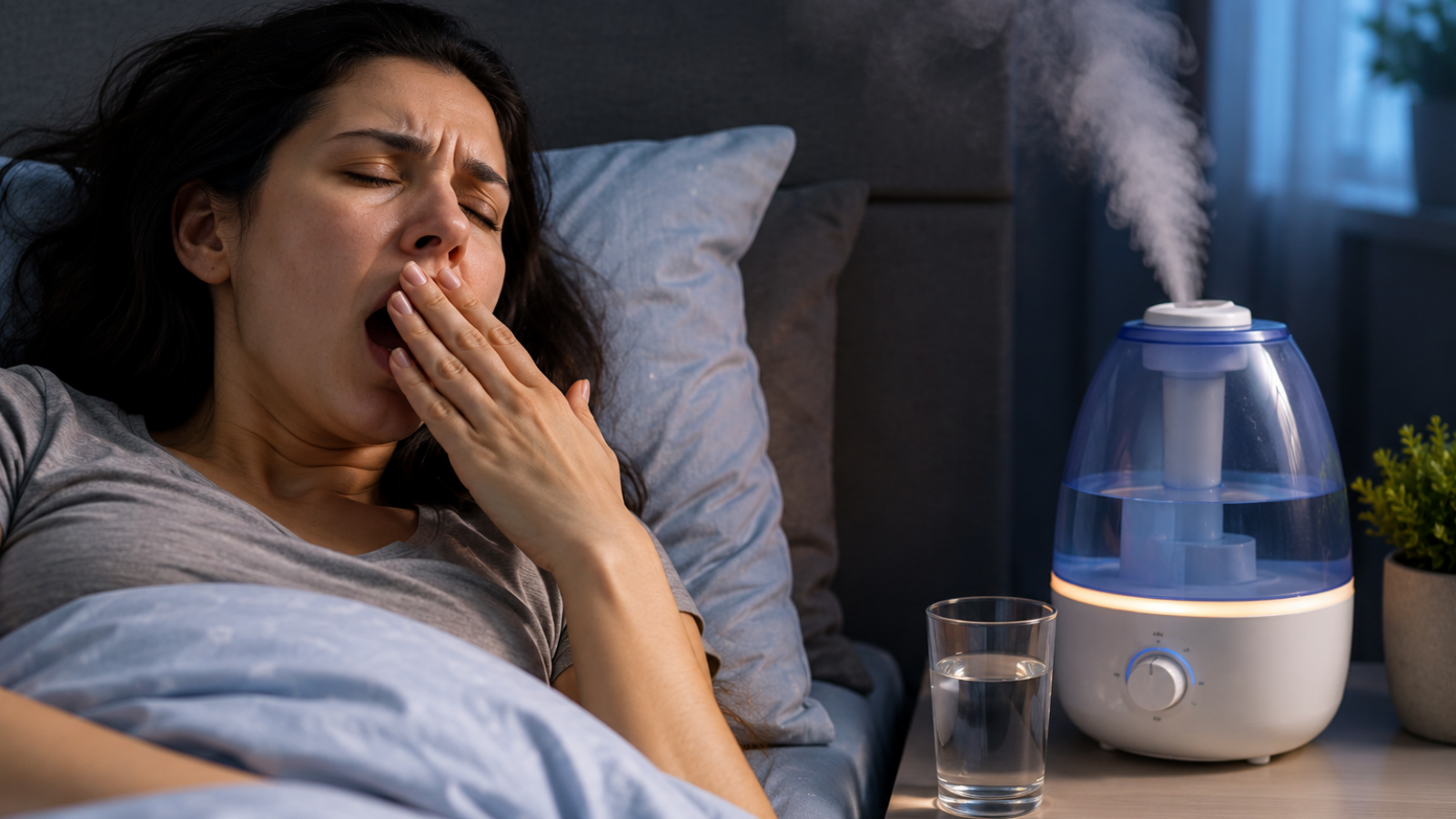
Waking up with a dry, sticky mouth can be more than just an inconvenience. Experts explain why it happens and whether a humidifier is the actual fix you need.
- Morning dry mouth can stem from environmental factors or underlying medical issues like diabetes.
- Humidifiers only provide relief if the cause is dry air or air conditioning.
- Chronic dry mouth significantly increases the risk of cavities and gum disease.
Waking up with a dry, sticky mouth can be an incredibly uncomfortable way to start the day. While some experience this occasionally during winter or in air-conditioned environments, for others, it becomes a persistent daily struggle. This condition, known medically as xerostomia, requires more than just a quick sip of water to resolve.
Understanding the Causes
According to Dr. Jatin Arora, Head of the Department of Dental at ISIC Multispeciality Hospital, the reasons for morning dryness are diverse. Common culprits include sleeping with an open mouth, snoring, and dehydration. However, more serious underlying issues such as diabetes or certain autoimmune disorders can also reduce saliva production, leading to chronic dryness.
The Role of a Humidifier
A frequent question among sufferers is whether a humidifier can act as a solution. Dr. Arora notes that a humidifier can indeed be effective if the dry mouth is triggered by dry environmental air, common in winter or AC-heavy rooms. By adding moisture back into the air, it helps maintain oral comfort.
A humidifier should support comfort but should not replace medical advice if dry mouth continues despite lifestyle changes.
Why This Matters
BozokMedia analysis shows that oral health is a critical component of systemic health. Many people view dry mouth as a minor nuisance, but it is actually a breakdown of one of the body's primary defense mechanisms.
The Impact on Oral Health
Saliva plays a vital role in protecting the teeth and gums. When saliva production is insufficient, the mouth loses its natural ability to neutralize acids and wash away food particles. This can lead to:
- Increased risk of cavities
- Gum disease and inflammation
- Persistent bad breath (halitosis)
- Difficulty in chewing and swallowing
| Potential Cause | Will a Humidifier Help? |
|---|---|
| Dry Air / Air Conditioning | Yes |
| Mouth Breathing / Snoring | No |
| Medication Side Effects | No |
| Underlying Conditions (e.g., Diabetes) | No |
When to Seek Medical Attention
While occasional dryness might not be a cause for alarm, persistent symptoms demand professional evaluation. If you experience excessive thirst, mouth sores, or frequent cavities, consult a dentist or physician to identify the root cause rather than just masking the symptoms.
Frequently Asked Questions
1. What is the ideal humidity level for a room?
Experts recommend keeping room humidity between 40% and 60% to avoid discomfort and mold growth.
2. Can medications cause dry mouth?
Yes, many common medications can reduce saliva production as a side effect.