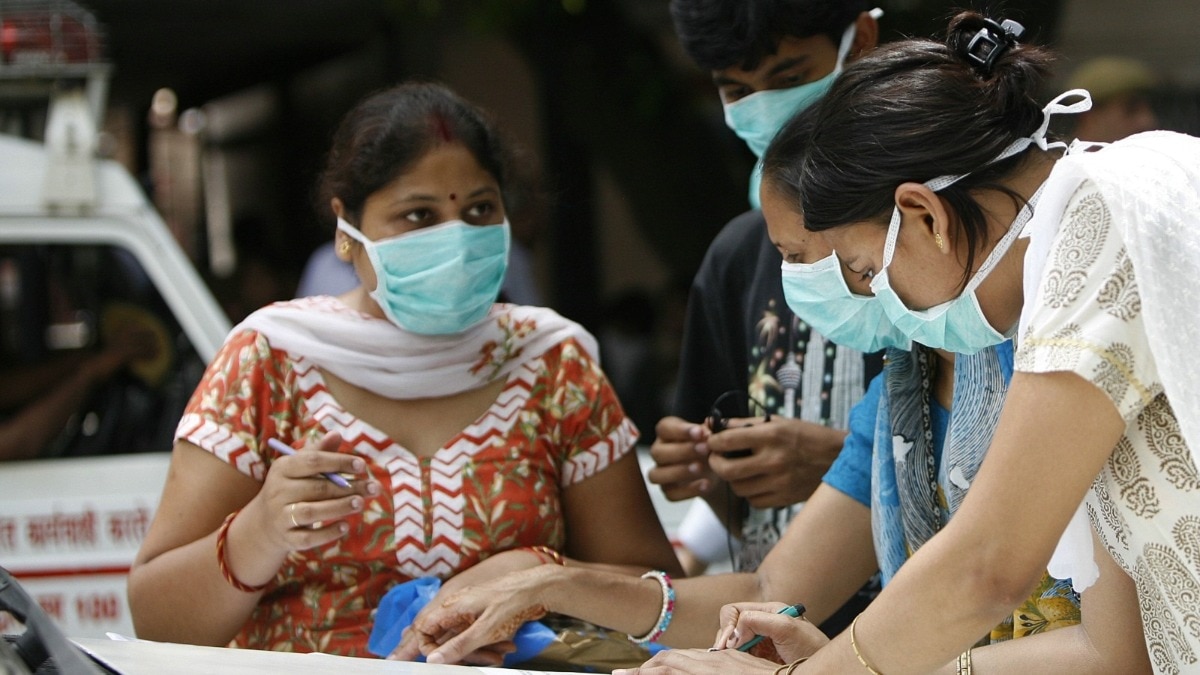
Amid rising H1N1 cases in India, ICMR scientists have clarified that no new strain is circulating, but high-risk individuals like children and the elderly must remain vigilant.
- ICMR confirms current H1N1 viruses are not a new strain.
- Circulating viruses match the recommended vaccine strains for the Northern Hemisphere.
- High-risk groups include children, the elderly, and those with underlying conditions.
- Delhi has reported over 2,300 total Influenza-A cases this year.
Senior scientists at the Indian Council of Medical Research (ICMR) have issued a clarifying statement regarding the recent uptick in Influenza A (H1N1) cases across India. They emphasized that there is no cause for panic, as the circulating viruses are not a new or mutated strain.
According to detailed laboratory findings, the viruses currently in circulation belong to the A/Missouri/11/2025 (H1N1) pdm09-like strain, specifically within clade 6B.1A.5a2a, subclade D.3.1.1. These strains have been active since 2025, meaning the current wave is part of a known viral lineage rather than a sudden, unpredictable emergence.
Why This Matters
BozokMedia analysis shows that while the lack of a new strain is a relief for vaccine efficacy, the sheer volume of cases in urban centers like Delhi poses a significant logistical challenge to healthcare providers. Seasonal influenza is typically self-limiting, but the rapid spread can overwhelm local clinics if not managed through proper hygiene and early intervention.
While the virus is not new, the surge in cases necessitates heightened vigilance and strict adherence to respiratory hygiene.
The Situation in Delhi: The capital has seen a significant spike in swine flu activity. Delhi has recorded over 1,777 H1N1 cases this year, with a recent single-day surge of 114 new cases. Total Influenza-A cases in the city have now surpassed the 2,300 mark.
In response, the Delhi government has placed 35 hospitals under special surveillance. Key institutions such as AIIMS and the NCDC have been designated as primary referral laboratories to monitor testing and clinical outcomes. Public health advisories have been issued, recommending masks in crowded areas and improved respiratory etiquette.
Historical Background
The H1N1 virus gained global notoriety during the 2009 pandemic. Since then, it has transitioned into a seasonal respiratory virus that circulates globally, often causing spikes in infection during specific climatic shifts.
Frequently Asked Questions (FAQ)
1. Is the current flu vaccine effective against the circulating H1N1?
Yes, ICMR reports that the current strains are well-matched with the recommended vaccine strains.
2. What are the primary symptoms to watch for?
Common symptoms include fever, cough, headache, and body aches. If symptoms worsen, immediate medical consultation is required.