A breakthrough mRNA vaccine, intismeran, combined with Keytruda, has demonstrated a massive reduction in death risks for skin cancer patients in new Phase 3 trials.
- The intismeran vaccine, combined with Keytruda, reduces the risk of death from skin cancer recurrence by 49%.
- The risk of death due to cancer spread is reduced by a staggering 59%.
- Developed by Merck and Moderna, this is a personalized mRNA therapy based on patient-specific neoantigens.
In a landmark development for oncology, a new personalized cancer vaccine known as intismeran has demonstrated the ability to significantly extend survival rates in patients with skin cancer. Developed through a collaboration between pharmaceutical giant Merck and mRNA pioneer Moderna, the vaccine, when administered alongside the immunotherapy drug Keytruda, showed a 49% reduction in the risk of death from recurrence and a 59% reduction in the risk of death from metastasis.
How the mRNA Technology Works
Unlike traditional vaccines that target infectious pathogens, intismeran is custom-built for the individual. The process begins by identifying unique mutations within a patient's tumor. These mutations produce proteins called neoantigens, which act as a molecular 'fingerprint' unique to that specific cancer.
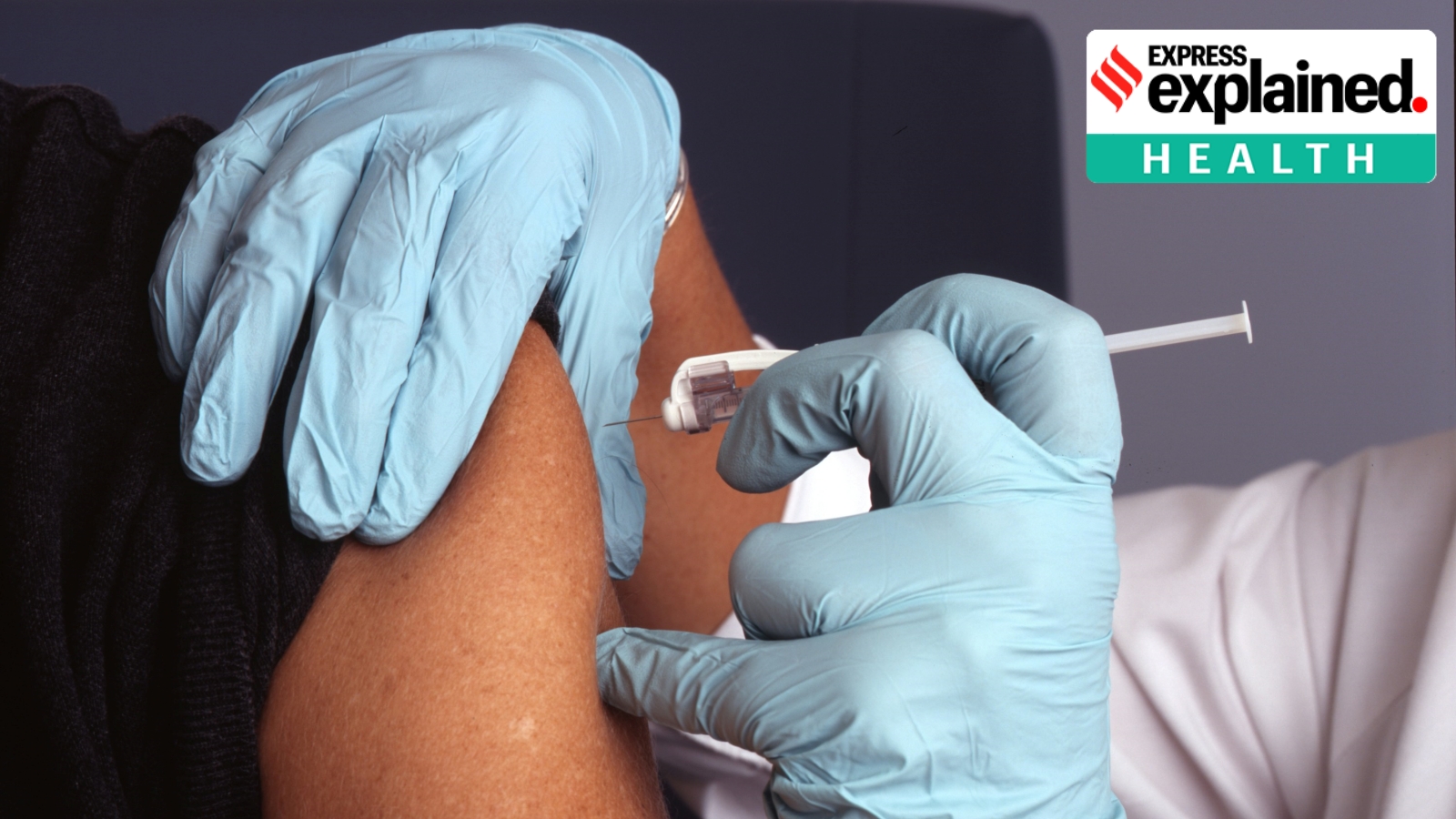
The vaccine utilizes synthetic mRNA (messenger RNA) to encode these 34 specific neoantigens. Once injected, the mRNA instructs the patient's own cells to produce these proteins, effectively teaching the immune system to recognize and attack any cell displaying those specific fingerprints. This creates a long-term immunological memory, allowing the body to fight the cancer if it attempts to return.
These Phase 3 findings represent a pivotal moment for the field of cancer research, turning an aspirational vision into a reality.
Why This Matters
BozokMedia analysis shows that this represents a paradigm shift from 'one-size-fits-all' chemotherapy to precision medicine. By targeting the exact mutations present in a tumor, doctors can theoretically minimize collateral damage to healthy cells while maximizing the immune response. However, the clinical success of this therapy also highlights the growing gap in global healthcare accessibility.
While the results are groundbreaking, the implications for regions like India are nuanced. Dr. Abhishek Shankar of AIIMS-New Delhi notes that melanoma is relatively rare in India, accounting for only 0.26% of cancer cases. Furthermore, the high cost of immunotherapy remains a massive barrier for the majority of the Indian population.
Comparison: Standard Immunotherapy vs. Combination Therapy
| Metric | Keytruda Alone | Keytruda + Intismeran |
|---|---|---|
| Risk of Death (Recurrence) | Baseline | 49% Reduction |
| Risk of Death (Spread) | Baseline | 59% Reduction |
| Mechanism | Immunotherapy | Personalized mRNA + Immunotherapy |
Frequently Asked Questions
1. What are the common side effects of the intismeran vaccine?
Clinical trials reported fatigue, chills, and pain at the injection site as the most common side effects.
2. Is this vaccine available for all types of cancer?
Currently, these specific clinical benefits have been proven for melanoma (skin cancer), but research is expanding into other types.
