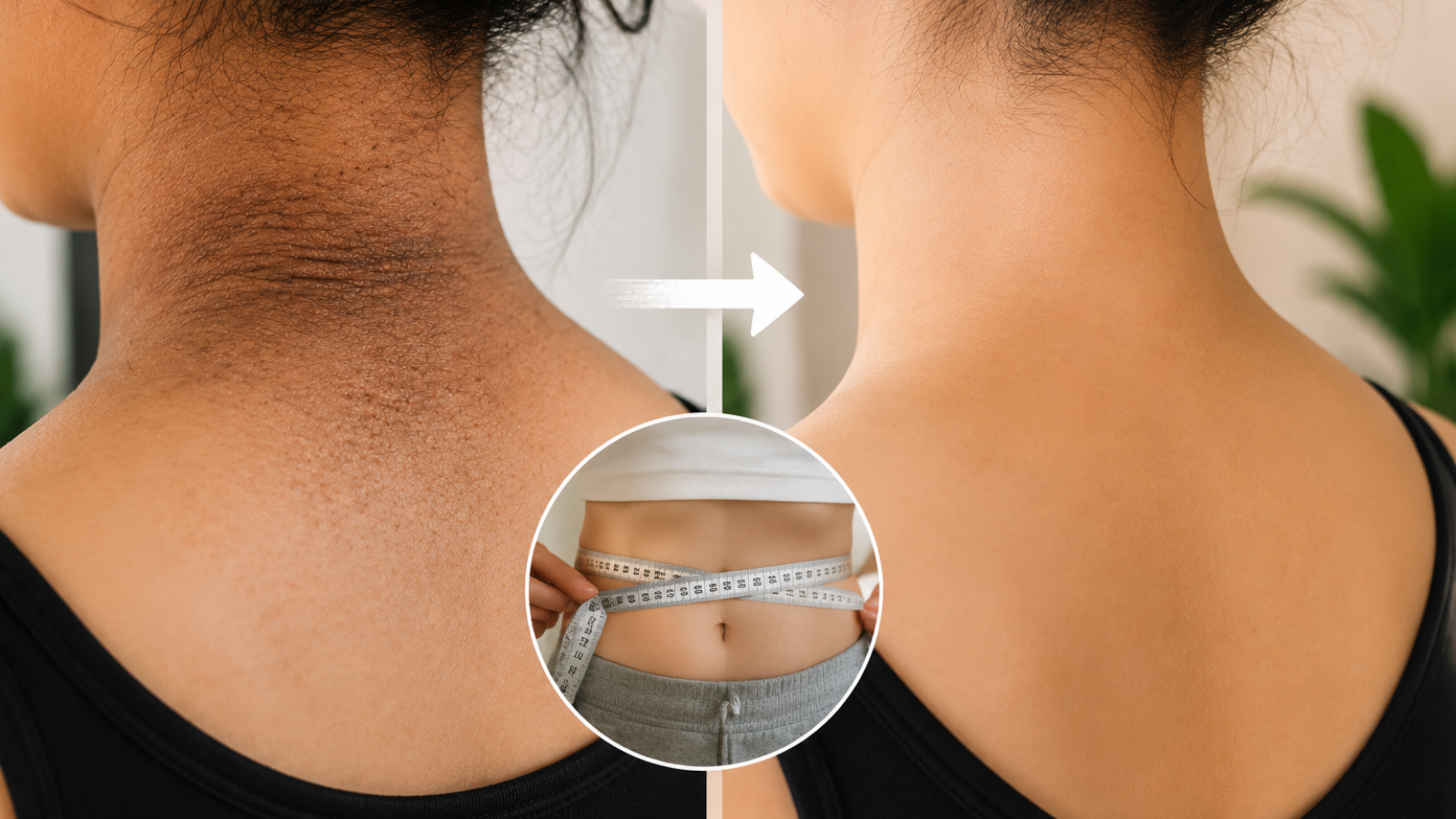
Is your body healing from within? Discover how changes in your skin texture and waistline can serve as powerful indicators of improved metabolic health and insulin response.
- Disappearance of dark, velvety skin patches (Acanthosis Nigricans) signals normalizing insulin levels.
- A reduction in waist circumference is a more accurate metabolic marker than total body weight.
- Improved hormonal balance can lead to clearer skin and fewer acne breakouts.
When insulin sensitivity begins to improve, the biological shifts may not always manifest immediately in a standard blood glucose test. However, the human body often provides subtle, visible cues that reflect internal metabolic progress. Two of the most significant indicators are found in your skin and your waistline.
Skin Changes: The End of Dark Patches
According to Dr. (Col) Vijay Dutta, Director of Internal Medicine & Respiratory Services at ISIC Multispecialty Hospital, Delhi, skin changes can offer vital insights into how the body is responding to insulin. One specific condition, known as Acanthosis Nigricans, involves the development of dark, thickened, velvety patches of skin, typically appearing around the neck or underarms.
Dr. Dutta explains that as insulin concentrations return to normal levels and sensitivity increases, these darkened patches may gradually subside. Furthermore, improved metabolic health often leads to better hormonal regulation, which can manifest as clearer skin with fewer acne breakouts.
Why This Matters
BozokMedia analysis shows that focusing on metabolic markers rather than just caloric deficit can lead to more sustainable health outcomes. Improved insulin sensitivity means the body is transitioning from storing excess glucose as fat to utilizing it efficiently for cellular energy, creating a systemic ripple effect of wellness.
Increased insulin sensitivity assists the body in utilizing glucose more efficiently, which will decrease fat accumulation and lead to a more healthy distribution of weight.
The Waistline vs. The Weighing Scale
A common misconception in weight management is that the number on the scale is the ultimate metric of success. However, medical experts emphasize that where you lose weight is more important than how much you lose. Abdominal fat, or visceral fat, is closely linked to insulin resistance.
Dr. Dutta highlights that even a slight decrease in waist size is a powerful indicator of improved metabolic wellbeing. If your weight remains relatively stable but your waistline is shrinking, it suggests that your body is effectively managing glucose and redistributing fat in a healthier manner.
| Indicator | Insulin Resistance (High Risk) | Improved Sensitivity (Healthy) |
|---|---|---|
| Skin Appearance | Dark, velvety patches (Neck/Underarms) | Clearer, more even skin tone |
| Waist Circumference | Increasing abdominal fat | Decreasing waistline |
| Hormonal Clarity | Frequent acne/breakouts | Regulated, clearer skin |
Frequently Asked Questions
1. Can skin changes alone confirm my insulin levels?
No. While skin changes are strong physical clues, they are not a substitute for clinical blood tests and professional medical evaluation.
2. Why is waist size more important than total weight?
Waist size directly measures abdominal fat, which is the primary driver of insulin resistance and metabolic syndrome.
