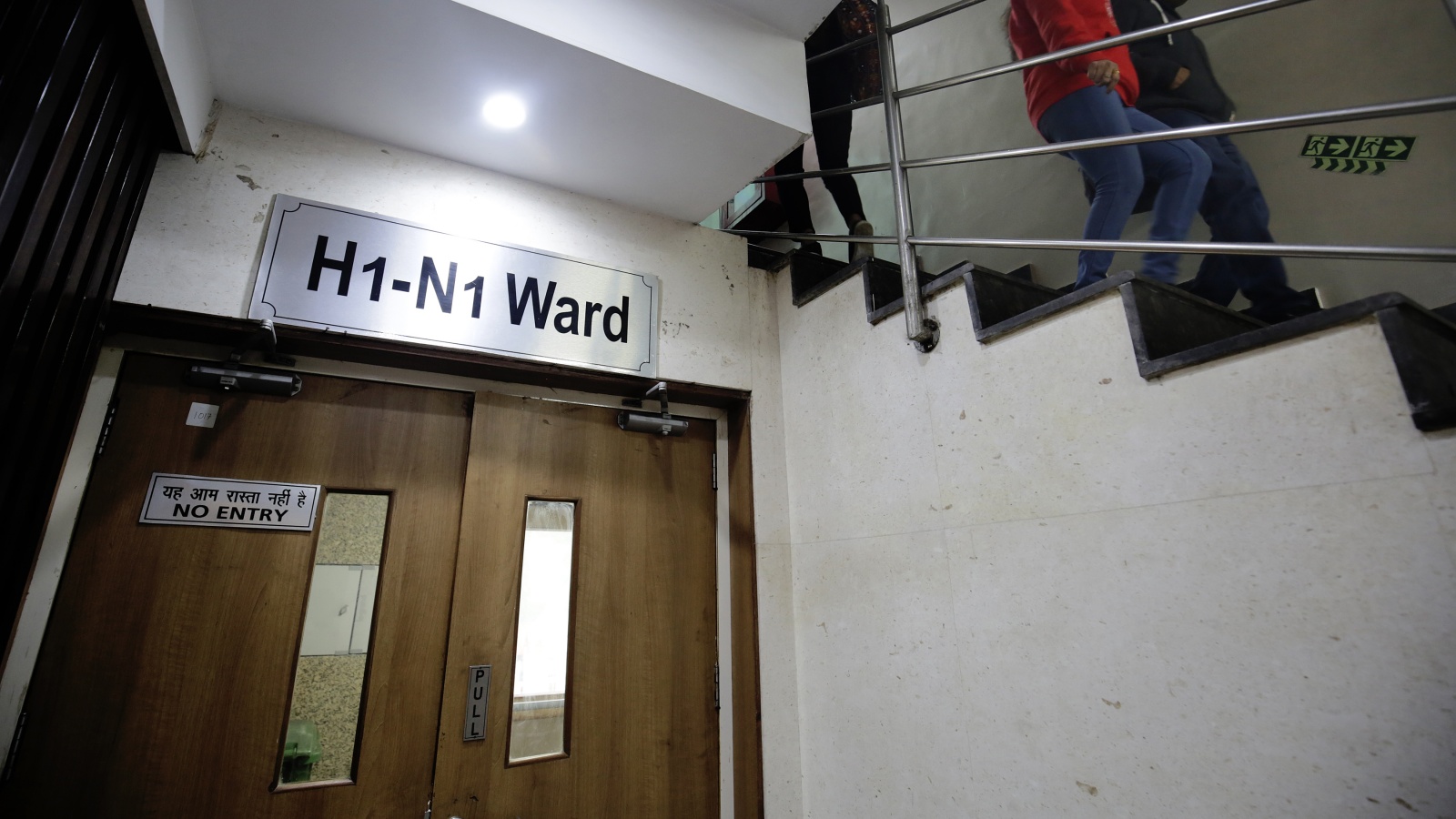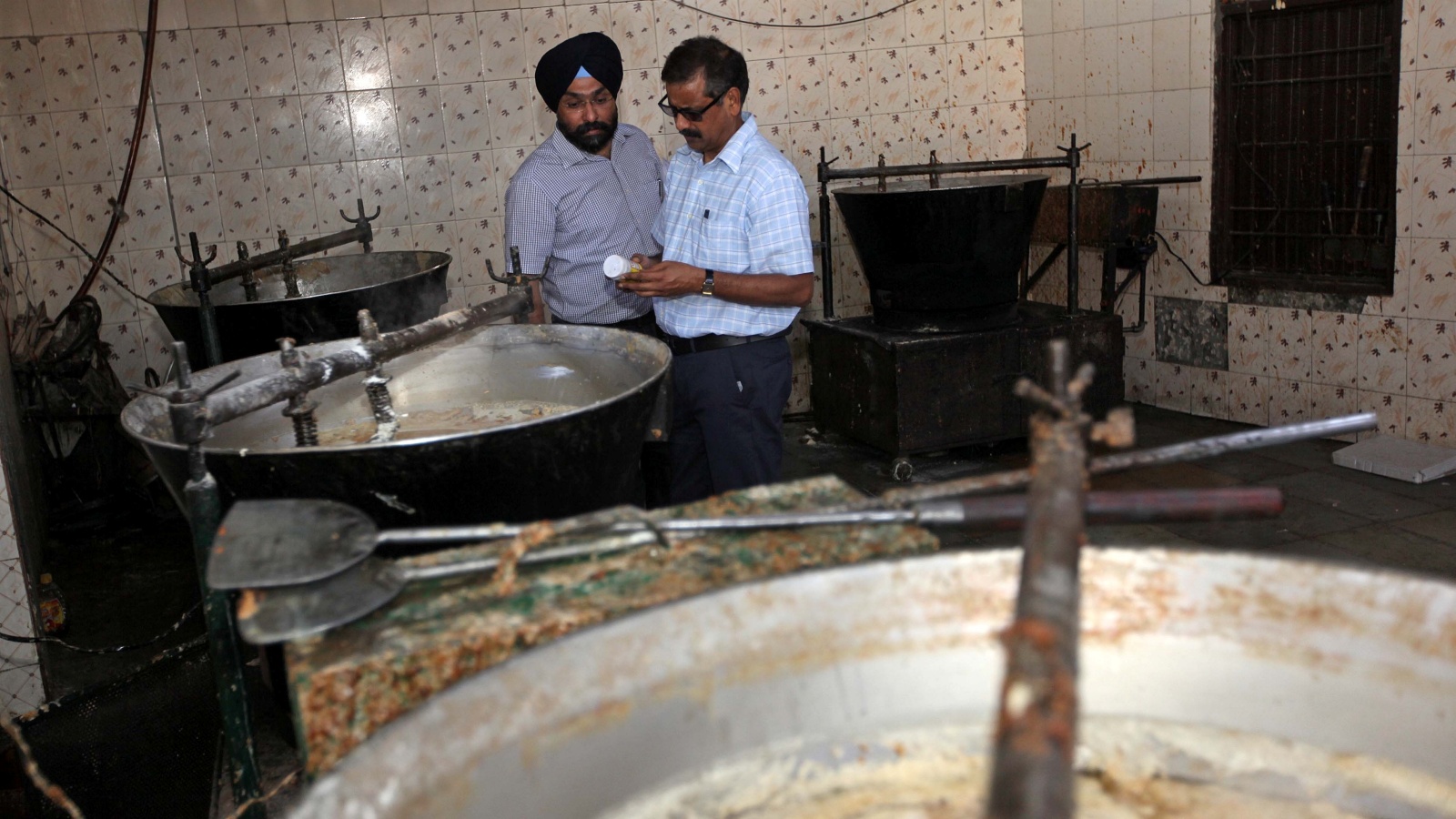
While food safety inspections in Maharashtra are intensifying, experts warn that the real battle lies in making hygiene a daily routine rather than a reaction to raids.
- Over 3,000 FDA inspections were conducted across Maharashtra recently.
- The crackdown resulted in 165 license suspensions and 750 improvement notices.
- The core issue is transitioning from reactive compliance to proactive hygiene culture.
In the bustling culinary landscape of Maharashtra, a significant shift is occurring in how food safety is enforced. Since Tukaram Mundhe took charge as the Maharashtra FDA Commissioner, inspection drives have seen a sharp uptick. This surge is not just about catching violators but highlighting a systemic gap: the difference between temporary compliance and permanent hygiene.
At the historic Poona Guest House, owner Kishore Sarpotdar exemplifies the gold standard of food safety. As President of the Pune Restaurants and Catering Association, Sarpotdar treats hygiene as a continuous process—monitoring pest control, refrigerator temperatures, and staff training daily. For him, safety is embedded in the business model, not just a response to an inspector's knock.
Why This Matters
BozokMedia analysis shows that India's food safety regime suffers from a 'reactive compliance' syndrome. Statistics reveal that between May and July, over 3,000 inspections led to hundreds of suspensions and improvement notices. This suggests that many businesses only prioritize cleanliness when they fear regulatory action, creating a cycle of inconsistency that threatens public health.
Food safety must be a routine practice, not a frantic scramble triggered by inspections.
The regulatory framework is also evolving. FSSAI has implemented new turnover-based licensing categories to better manage the diverse food sector. Businesses earning up to ₹1.5 crore require registration, those between ₹1.5 crore and ₹50 crore need a State license, and those exceeding ₹50 crore must obtain a Central license. This ensures that everyone, from street vendors to massive exporters, is accountable.
Despite these rules, awareness remains a hurdle. Pritee Chaudhary, Regional Director at FSSAI (Western Region), notes that while training programs for street vendors have expanded—reaching 10,000 in Mumbai alone—non-compliance persists. The consensus among experts like Akash Chakor of Foodkida is that food safety training (FoSTac) should be a mandatory prerequisite for obtaining any license to ensure real behavioral change.
Frequently Asked Questions
1. What are the new FSSAI licensing categories?
Licenses are now categorized by annual turnover: Registration (up to ₹1.5cr), State License (₹1.5cr - ₹50cr), and Central License (above ₹50cr).
2. Why are inspections increasing in Maharashtra?
The intensification is due to a renewed focus by the FDA Commissioner to link preventive health with standardized food safety practices.
| Annual Turnover | License Type Required |
|---|---|
| Up to ₹1.5 Crore | FSSAI Registration |
| ₹1.5 Crore - ₹50 Crore | State FSSAI License |
| Above ₹50 Crore | Central FSSAI License |