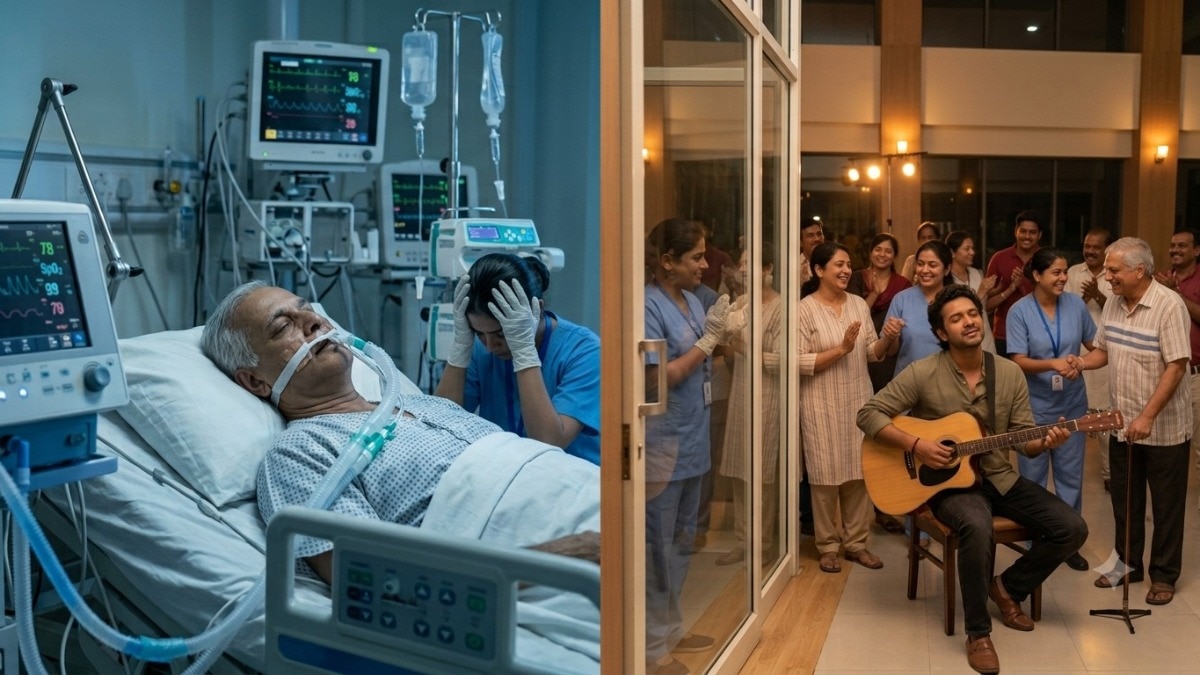
A 17‑year‑old boy from Kerala died in a bike collision, and his grieving parents chose to donate his kidneys and liver. The transplants saved two lives, highlighting the profound impact of organ donation in India.
- 17‑year‑old teen died in a bike crash in Kerala.
- Parents decided to donate his kidneys and liver.
- The donated organs gave two recipients a new lease on life.
In a small town of Kerala, a teenage boy was involved in a high‑speed bike accident on a rainy afternoon, sustaining fatal injuries that led to his death at the local hospital. Police reports indicated that reckless riding and poor road conditions were the primary causes.
Speaking to reporters, the grieving parents said they could not come to terms with the loss, but they wanted their son's death to give others a chance at life. "We cannot bring him back, but we can let his body help someone else live," they said.
India’s organ‑donation framework requires explicit family consent, overseen by the National Organ and Tissue Transplant Organization (NOTTO). After obtaining written permission, the hospital retrieved the teen’s kidneys and liver and successfully transplanted them into two patients awaiting transplants.
The recipients, both suffering from end‑stage organ failure, reported immediate improvements in health and expressed gratitude toward the donor family, calling the gift "a miracle that restored hope."
Historical Background: Kerala has been a pioneer in India’s organ‑donation drive, launching the first statewide organ‑donation awareness week in 2018. Today, the state boasts an organ‑donor rate of roughly 2.5 per 100,000 people, far above the national average.
Why This Matters
BozokMedia analysis shows that personal stories like this amplify public acceptance of organ donation and can influence policy makers to strengthen donation infrastructure. When families turn tragedy into an act of generosity, it creates a ripple effect that encourages broader societal participation.
"Organ donation is not just a medical procedure; it's a profound social responsibility," says Dr. Asha Kumar, transplant surgeon.
Frequently Asked Questions
Q: Can any patient receive a donated organ?
A: No, compatibility is based on blood type, tissue match, and the recipient’s medical condition.
Q: Are donor families financially compensated?
A: India does not provide monetary compensation, but many states honor donor families with recognition and support.