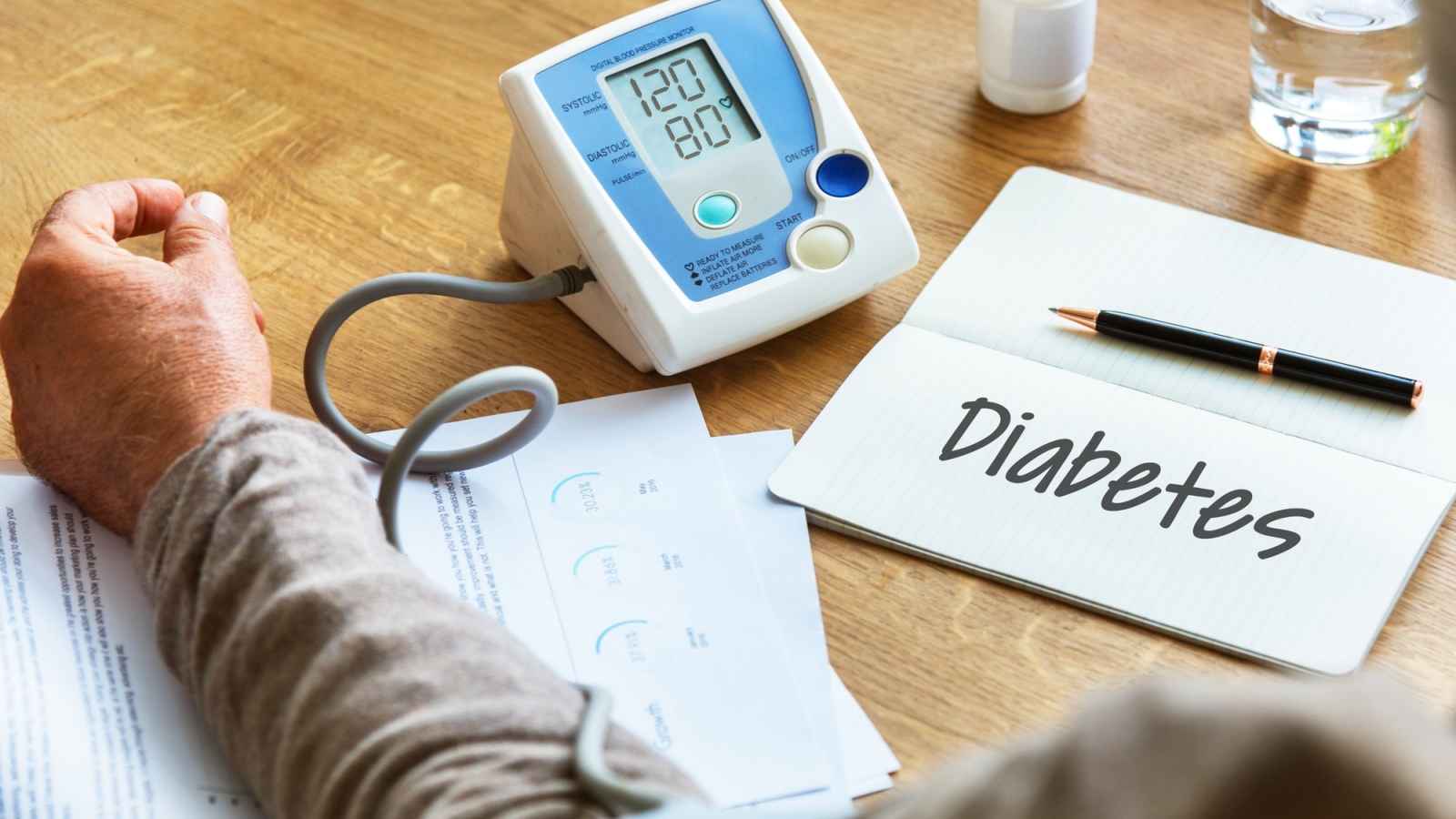
A viral claim suggests diabetes and hypertension are the same condition. We dive into the science of insulin resistance to find out if there is truth to this medical debate.
- Diabetes and hypertension are distinct medical conditions that frequently coexist.
- Insulin resistance acts as a major biological bridge between the two.
- Lifestyle interventions like diet and exercise can manage both metabolic and cardiovascular health.
A medical debate has ignited on social media following claims by endocrinologist Dr. Gagandeep Singh, who suggested that diabetes and high blood pressure are essentially the same disease manifesting in different ways. He argues that since insulin resistance causes both rising glucose and sodium retention in the kidneys, the two conditions are two sides of the same coin.
The Medical Reality: Separate but Connected
While the biological link is undeniable, leading experts urge caution. Dr. Pranav Ghody, a Consultant Endocrinologist at Wockhardt, clarifies that Type 2 diabetes and hypertension are two separate medical conditions. While they share common risk factors, they affect different physiological systems.
Diabetes primarily involves the dysregulation of blood glucose, whereas hypertension is characterized by consistently elevated force against artery walls. The confusion often arises because 80% of individuals with Type 2 diabetes also suffer from hypertension.
Why This Matters
BozokMedia analysis shows that understanding the nuance between 'related' and 'identical' is crucial for patient care. Insulin resistance is the central driver; as cells stop responding to insulin, the body compensates by producing more, which eventually triggers a cascade of metabolic disruptions affecting both blood sugar and blood pressure.
Insulin resistance provides a biological link, but it is only one element of a much broader systemic issue.
Comparison of Conditions
| Feature | Type 2 Diabetes | Hypertension |
|---|---|---|
| Primary Concern | Blood Glucose Regulation | Arterial Blood Pressure |
| Key Driver | Insulin Resistance | Sodium Retention/Vascular Tension |
| Shared Risks | Obesity, Genetics, Inactivity | Obesity, High Salt, Stress |
Managing these conditions requires a multi-pronged approach. Experts emphasize that while lifestyle changes can significantly improve health, they should supplement—not replace—prescribed medical treatments.
Holistic Management Strategies
To combat both conditions, doctors recommend focusing on Diet (whole grains, vegetables, and lean proteins), Physical Activity (to help muscles use glucose more efficiently), and Stress Management (to prevent cortisol-induced spikes in both sugar and pressure).
Frequently Asked Questions
1. Can lowering insulin levels help with blood pressure?
Yes, improving insulin sensitivity through lifestyle changes can help regulate both glucose and blood pressure.
2. Should I stop my medication if my lifestyle improves?
No. Lifestyle changes are meant to supplement prescribed treatments. Always consult your doctor before making changes to medication.


