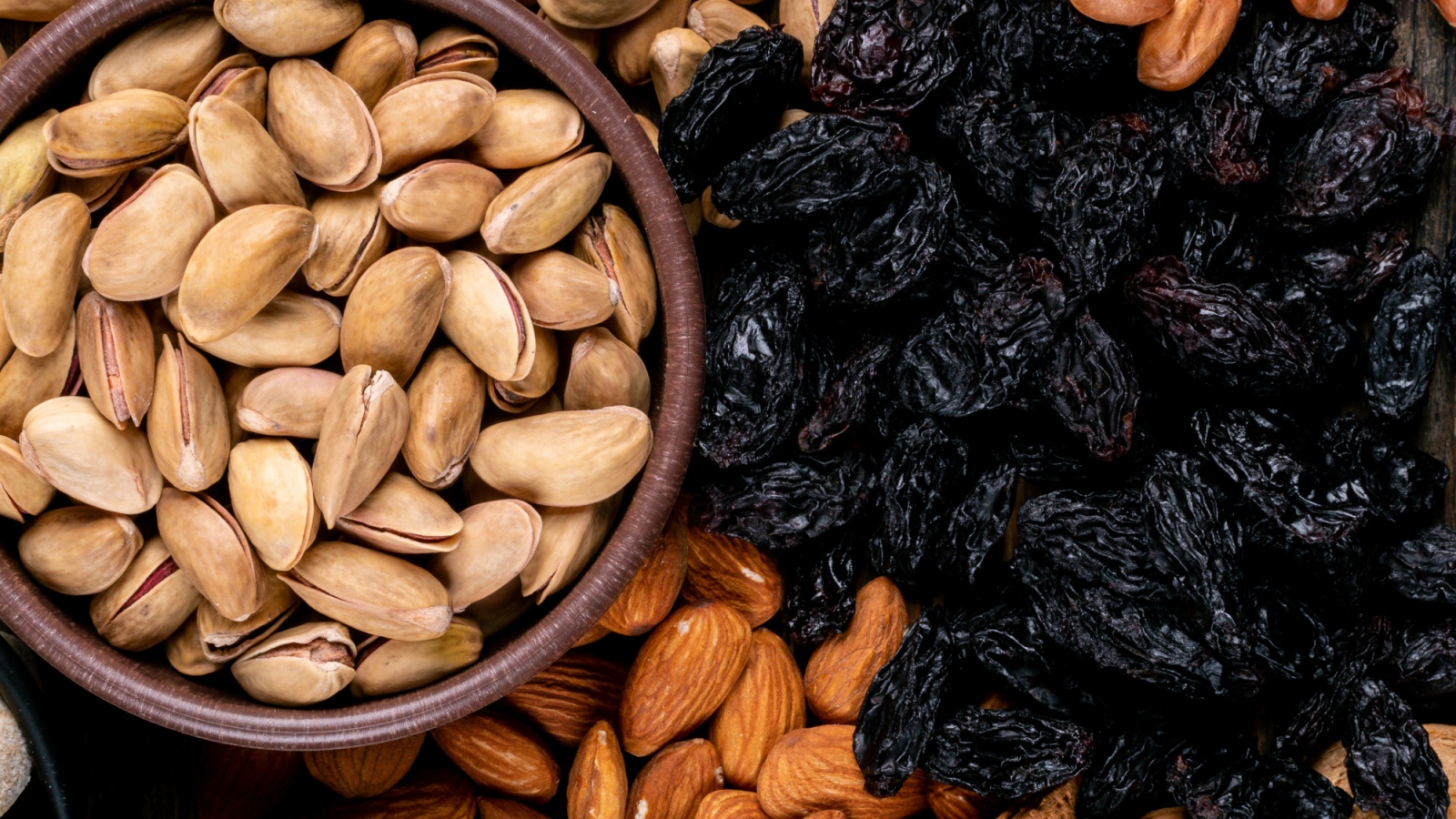
Renowned mountaineer Premlata Agrawal warns that consuming large quantities of nuts at high altitudes can lead to severe digestive discomfort. Experts suggest balancing nuts with dried fruits to manage energy and digestion effectively.
- Oxygen levels decrease at high altitudes, slowing down the digestive process.
- Nuts (almonds, cashews) are high in fats and proteins, making them harder to digest.
- Dried fruits (raisins, dates) provide quick carbohydrates, while nuts offer sustained energy.
- Trekkers should consume a controlled mix of both to avoid bloating.
For adventure enthusiasts, nutritional planning is just as critical as physical training. Premlata Agrawal, the first Indian woman to scale the Seven Summits, has issued a vital caution for trekkers regarding their snack choices. She highlighted a common mistake: failing to distinguish between 'dried fruits' and 'nuts' when fueling at high altitudes.
Agrawal explained that while raisins, figs, and dates are dried fruits, items like almonds, cashews, and walnuts are nuts. Her primary concern is that nuts take significantly longer to digest in mountain environments. "Cashews, pistachios, almonds are nuts and will take a long time to digest in the mountains," she noted, emphasizing the need for adequate water intake when consuming them.
Why This Matters
BozokMedia analysis shows that physiological changes at high altitudes significantly impact metabolic functions. Dr. Sarang Deshpande, Consultant Orthopedics at KIMS Hospitals, explains that the decrease in available oxygen, combined with dehydration, can impair appetite and digestion. Because nuts are dense in fats, proteins, and fiber, they require more metabolic effort to process.
At high altitude, reduced oxygen and dehydration can lead to bloating and digestive discomfort if heavy foods like nuts are overconsumed.
To mitigate these risks, experts suggest treating nuts and dried fruits as complementary rather than substitutes. Dried fruits act as a quick carbohydrate source for immediate energy during climbs, whereas nuts provide the long-lasting satiety and minerals needed for recovery.
| Feature | Dried Fruits | Nuts |
|---|---|---|
| Examples | Raisins, Dates, Figs | Almonds, Cashews, Walnuts |
| Primary Nutrient | Carbohydrates (Quick Energy) | Fats, Protein, Minerals |
| Digestion Speed | Fast | Slow |
| Role in Trekking | Immediate energy boost | Sustained energy & recovery |
The ideal strategy for a trekker is portion control. Instead of eating large quantities of a single type, mixing a small handful of nuts with a moderate amount of dried fruit provides a balanced nutritional profile without overwhelming the digestive system. Crucially, neither should replace water; maintaining hydration through fluids and electrolytes remains the top priority for performance and safety.
Frequently Asked Questions
1. Should I avoid nuts entirely during a mountain trek?
No, you don't need to avoid them, but you must control the portion size and pair them with dried fruits to aid digestion.
2. What is the best way to get instant energy while climbing?
Dried fruits like dates and raisins are excellent for quick carbohydrate energy during intense climbs.