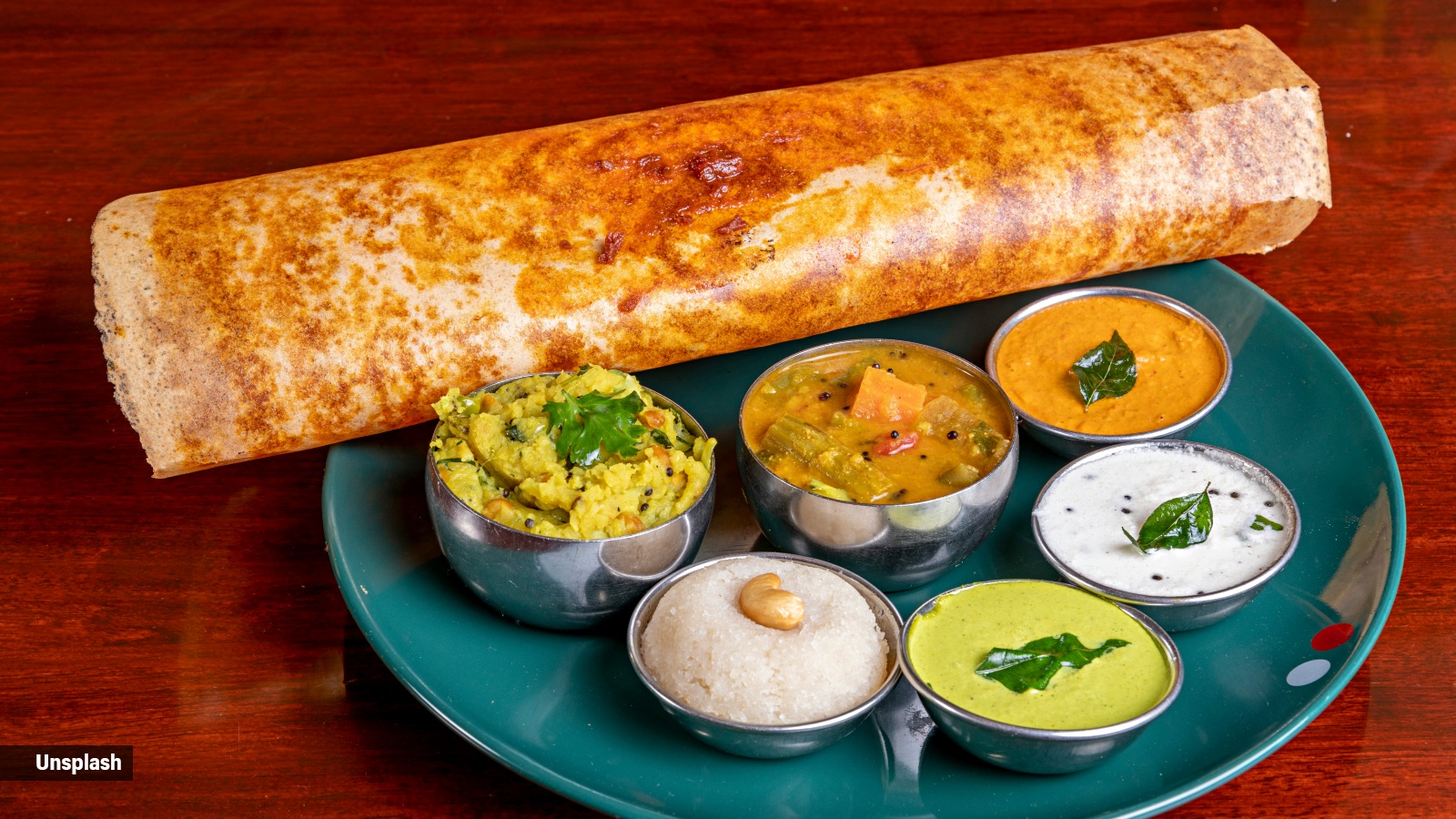
Discover whether your favorite crispy masala dosa is a healthy breakfast or a calorie bomb. Experts decode the impact of fermentation, oil, and side dishes.
- Masala dosa is naturally nutritious due to fermented rice and lentil batter.
- Excessive use of oil, butter, or ghee can turn it into junk food.
- Pairing with protein-rich sambar enhances the nutritional profile.
- Moderation is key; once a week is ideal for most healthy individuals.
The crispy masala dosa is a beloved breakfast staple across India. However, as health consciousness rises, a critical question emerges: Is it truly healthy, or is it just disguised junk food? According to Drishya Ale, a dietician at Paras Health, Gurgaon, the distinction lies entirely in the preparation and accompaniments.
At its core, masala dosa is a traditional dish made from fermented rice and lentil batter. This fermentation process is a nutritional win, providing essential carbohydrates, proteins, and beneficial probiotics that aid digestion. The potato filling adds necessary energy, making it a substantial meal.
Why This Matters
BozokMedia analysis shows that the modern dietary trap often involves consuming 'traditional' foods that have been modified with excessive fats. While the base ingredients of a dosa are excellent, the way it is cooked in commercial kitchens can drastically alter its health benefits.
When prepared in moderation with balanced accompaniments like sambar and coconut chutney, masala dosa can be a healthy part of a balanced diet.
The primary culprits in turning a healthy dosa into junk food are excessive oil, butter, or ghee. Many roadside vendors and restaurants use high amounts of fats to achieve that signature crispy texture and rich taste, significantly spiking the calorie count.
Healthy vs. Unhealthy Dosa Comparison
| Feature | Healthy Choice | Unhealthy Choice |
|---|---|---|
| Fats Used | Minimal oil or ghee | Heavy butter or excessive oil |
| Filling | Sautéed potatoes with veggies | Only oily, spicy potatoes |
| Side Dishes | Protein-rich sambar | Oily or creamy chutneys |
To maximize nutrition, one should consider adding vegetables like peas, carrots, or onions to the potato filling. This increases the fiber content and provides a more balanced micronutrient profile.
Frequently Asked Questions
1. Can I eat masala dosa while on a weight loss diet?
Yes, provided it is prepared with minimal oil and served with plenty of vegetables and protein-rich sambar.
2. Why is restaurant dosa more fattening?
Restaurants often use large quantities of oil or butter to enhance flavor and texture, which significantly increases the fat content.