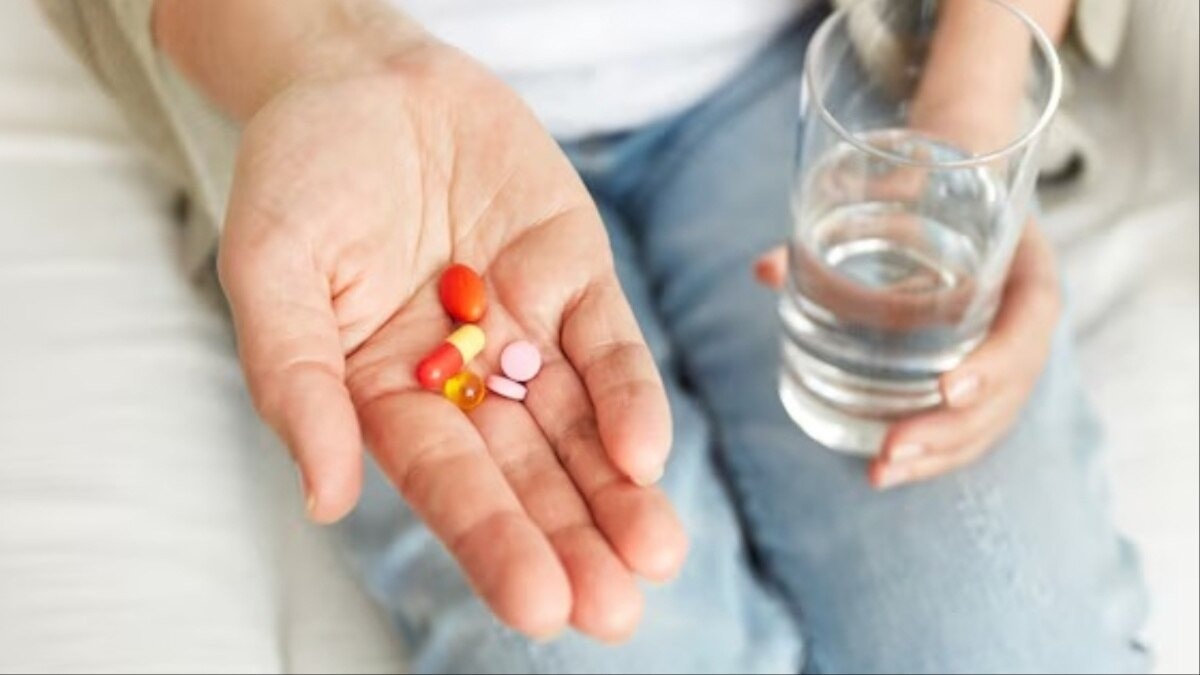
A critical study by the Indian Council of Medical Research (ICMR) reveals that the misuse of antibiotics is creating drug-resistant bacteria in India, leading to higher death rates and skyrocketing treatment costs.
- 61.1% of patients were found to be carbapenem-resistant in the ICMR study.
- Treatment costs for resistant infections have increased by 1.1 to 2 times.
- Self-medication and incomplete dosage courses are the primary drivers of resistance.
India is facing a silent but deadly health crisis known as 'Drug Resistance.' A recent comprehensive study by the Indian Council of Medical Research (ICMR) has highlighted a terrifying trend: bacteria are evolving to survive the very antibiotics designed to kill them. This phenomenon is rendering standard medical treatments ineffective, leading to prolonged hospitalizations and increased fatalities.
The research, published in 'The Lancet Regional Health-Southeast Asia,' analyzed data from approximately 1.6 lakh patients between 2022 and 2025. The findings indicate that 61.1% of patients with infections were carbapenem-resistant. Since carbapenems are often considered 'last-resort' antibiotics, their failure leaves physicians with almost no viable options to treat severe bacterial infections.
Why This Matters
BozokMedia analysis shows that the surge in antimicrobial resistance (AMR) in India is a systemic failure of prescription regulation. The accessibility of potent antibiotics without valid prescriptions has turned pharmacy counters into primary care centers. This behavioral pattern is accelerating the emergence of 'superbugs,' threatening to push modern medicine back to a pre-antibiotic era where simple wounds could be lethal.
"When an individual takes antibiotics unnecessarily, bacteria recognize them and become stronger against them, making treatment difficult and sometimes fatal." - Dr. Kamini Walia, Senior Scientist, ICMR
The study provides stark evidence regarding mortality rates. In cases of Klebsiella pneumoniae infection, the death rate for drug-resistant patients was 31.2%, compared to 23.5% for those with sensitive infections. This gap underscores how resistance directly translates into a higher probability of death.
Beyond the clinical toll, there is a severe economic impact. When first-line, affordable antibiotics fail, patients must switch to expensive, high-end alternatives. The study notes that the cost of treating resistant infections is 1.1 to 2 times higher than that of sensitive ones, placing a devastating financial burden on families.
Dr. Kuldeep Singh from GTB Hospital, Delhi, pointed out that common mistakes—such as taking antibiotics for viral infections like the common cold or stopping a prescribed course early—are fueling this crisis. Antibiotics are ineffective against viruses, yet they are frequently misused for such ailments in Indian households.
| Infection Type (K. pneumoniae) | Mortality Rate | Treatment Cost |
|---|---|---|
| Sensitive | 23.5% | Standard |
| Drug-Resistant | 31.2% | 1.1x to 2x Higher |
Frequently Asked Questions
1. What is drug resistance?
It occurs when bacteria evolve to withstand the effects of an antibiotic, meaning the drug can no longer kill the bacteria or stop them from reproducing.
2. Why is it important to complete the full course of antibiotics?
Stopping early allows the strongest bacteria to survive and mutate, creating a resistant strain that is much harder to treat in the future.

