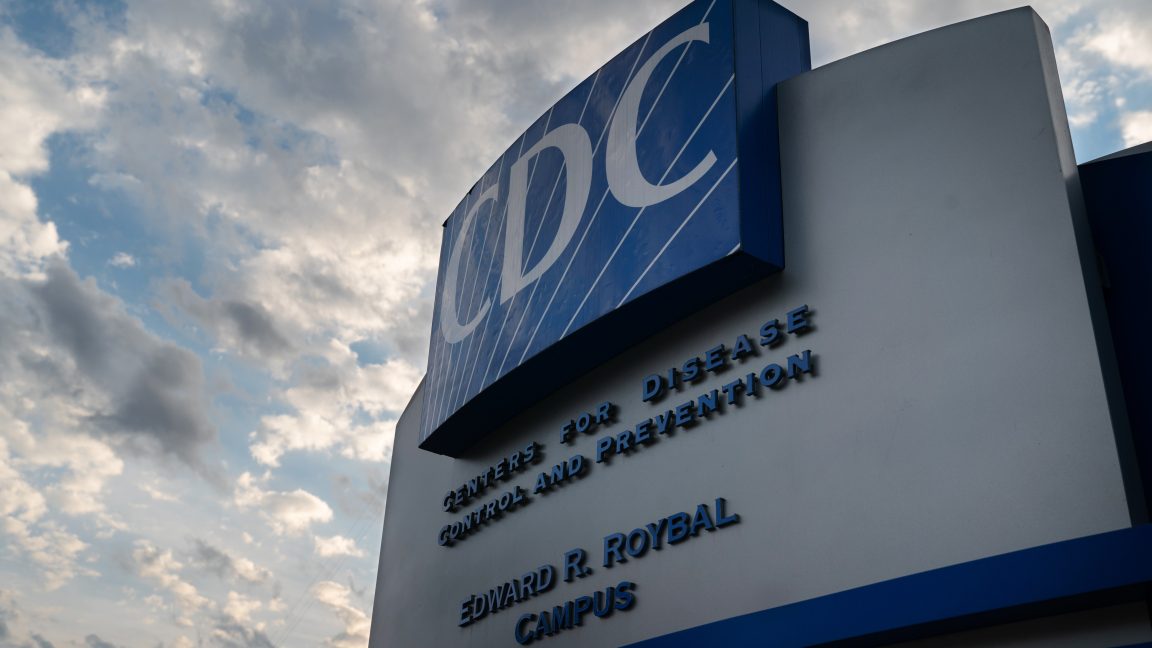
A major rift has emerged between the CDC and Pennsylvania officials after the federal agency removed two measles-associated deaths from its national count. This tension comes amidst the highest measles outbreak in the US in 35 years.
- The CDC has excluded two measles-related deaths reported by Pennsylvania from its national tracking.
- The US is currently experiencing its most significant measles outbreak in over three decades.
- The decision has sparked intense debate regarding the Trump administration's health policies and vaccine skepticism.
The Centers for Disease Control and Prevention (CDC) has sparked significant controversy by removing two measles-associated deaths, originally reported by the state of Pennsylvania, from the federal government’s national tally. This directive, issued by the agency’s director Erica Schwartz, has created a direct confrontation between state health departments and federal oversight agencies.
The removal of these cases occurs at a critical juncture, as the United States records its highest number of measles cases in 35 years. Pennsylvania’s Department of Health had officially classified the deaths of two unvaccinated residents in Lancaster County as "measles-associated" on August 25. However, the CDC's updated stance claims that available data does not conclusively establish whether measles was the primary cause of death or a contributing factor.
Why This Matters
BozokMedia analysis shows that this friction represents a fundamental shift in how federal agencies interact with state-level epidemiological findings. If the federal government begins to systematically second-guess state health determinations, it could undermine the integrity of national disease surveillance and public trust in health institutions.
"The tension between federal data management and state health reporting could create dangerous gaps in outbreak response capabilities."
The controversy is further intensified by the political landscape. Health and Human Services Secretary Robert F. Kennedy Jr., a known vaccine skeptic, has publicly questioned the validity of Pennsylvania's reports, suggesting they might be fabricated. Kennedy has advocated for shifting federal resources away from infectious diseases toward chronic illnesses linked to food and pharmaceutical industries.
Adding to the complexity, President Donald Trump recently signed an executive order aimed at rolling back certain childhood immunization recommendations. This includes a proposal to split the MMR (Measles, Mumps, and Rubella) vaccine into separate doses—a move that major medical organizations like the American Academy of Pediatrics (AAP) warn could create barriers to effective vaccination and lead to higher infection rates.
Frequently Asked Questions
1. Why did the CDC remove the deaths from the tally?
The CDC stated that the current information does not definitively prove that measles caused or contributed to the deaths in question.
2. What is the concern regarding the MMR vaccine split?
Medical experts fear that splitting the combined vaccine into separate shots may lead to missed doses and lower overall immunity in children.