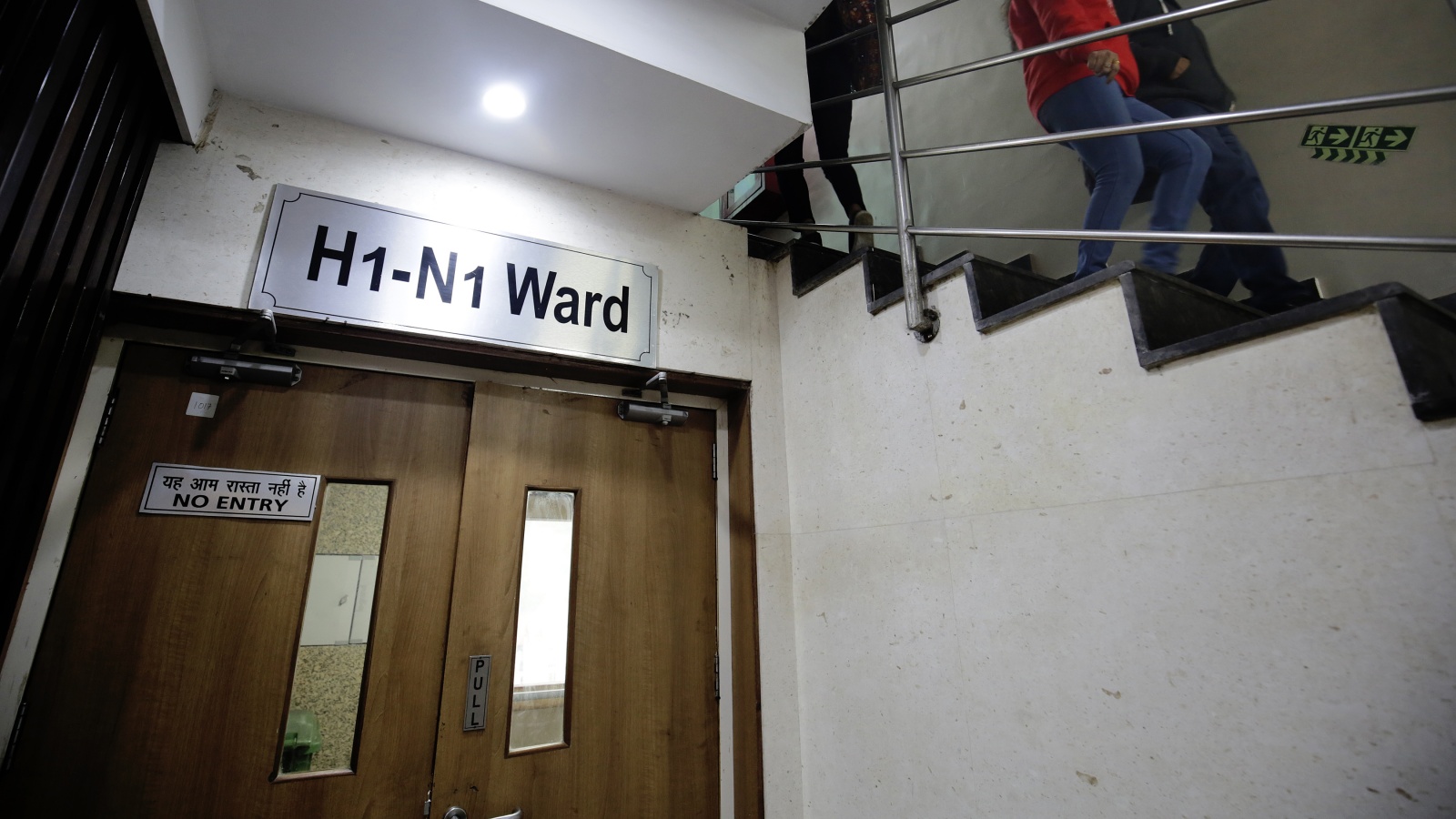
As H1N1 influenza cases skyrocket in Delhi, medical experts warn that diabetics face a significantly higher risk of complications due to the interplay between infection and blood sugar management.
- H1N1 cases in Delhi have seen a sharp spike compared to the previous year.
- Diabetics are at high risk as infection can trigger uncontrollable blood sugar spikes.
- Early administration of antivirals (within 48 hours) is crucial for high-risk groups.
- Key red flags include breathing difficulty, confusion, and dehydration.
The capital city of Delhi is witnessing a significant surge in H1N1 influenza cases. While clinical oncologist Dr. Saptarshi Ghosh suggests there is no cause for widespread panic as the current strain is non-virulent, the rise in cases due to seasonal changes necessitates high vigilance, especially among vulnerable populations.
For individuals living with diabetes, the situation is far more complex. Dr. Seema Dhir of Artemis Hospitals explains that poorly controlled blood sugar impairs the immune system's ability to combat infections. Furthermore, the physiological stress caused by the flu can trigger a surge in stress hormones, leading to a dangerous cycle of rising glucose levels and worsening infection.
Why This Matters
BozokMedia analysis shows that the intersection of chronic metabolic conditions and seasonal viral outbreaks creates a significant burden on urban healthcare infrastructure. For diabetics, H1N1 is not just a respiratory issue but a systemic threat that can lead to secondary bacterial infections and organ complications.
Infection and high blood sugar can worsen each other, creating a vicious cycle that increases the risk of hospitalization.
Dr. Pankaj Khatana from Marengo Asia Hospitals has identified 7 critical warning signs that demand immediate medical attention:
1. Difficulty breathing
2. Chest pain
3. Persistent vomiting
4. Extreme weakness
5. Mental confusion
6. Unusual sleepiness
7. Difficulty staying awake
Additionally, symptoms of dehydration such as dizziness, dry mouth, and decreased urination should never be ignored.
| Symptom Category | General Flu Symptoms | High-Risk/Diabetic Red Flags |
|---|---|---|
| Respiratory | Cough, Sore Throat | Shortness of breath, Chest pain |
| Neurological | Mild Fatigue | Confusion, Extreme lethargy |
| Metabolic | Fever | Ketones in urine, Very high blood sugar |
Frequently Asked Questions
Question 1: Should diabetics take antibiotics for H1N1?
Answer: No. H1N1 is a virus, and the misuse of antibiotics like Azithromycin can lead to antimicrobial resistance. Consult a doctor for antivirals.
Question 2: How can I prevent H1N1 infection?
Answer: Practicing hand hygiene, wearing masks in crowded places, and getting an annual flu vaccine are the best preventive measures.