Discover the biological reasons why influenza causes blood glucose spikes in diabetic patients despite reduced food intake and learn essential management strategies.
- Stress hormones released during infection trigger glucose production in the liver.
- Never adjust diabetes medications without direct medical supervision during illness.
- Hydration is critical as dehydration worsens blood sugar management.
- Vaccinations like Flu and Pneumococcal are vital preventive measures.
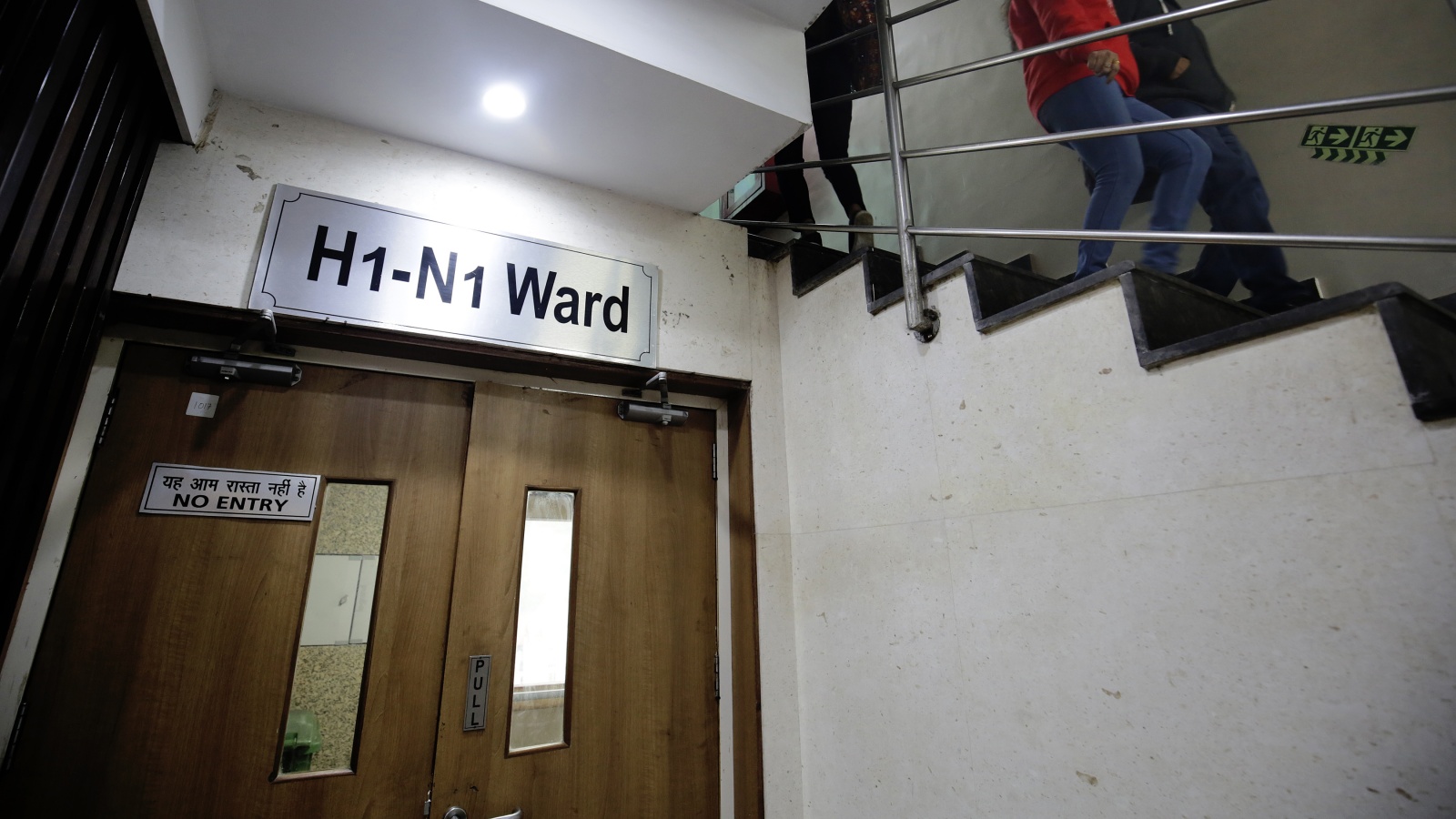
For individuals managing diabetes, an influenza infection presents a unique set of challenges. A common clinical observation is that patients often experience a sudden, sharp rise in blood glucose levels during the flu, even when their appetite has vanished and food intake is minimal. This phenomenon can be deeply confusing and alarming for patients.
According to Dr. V Mohan, this spike is primarily driven by the body's internal defense mechanism. When an infection like influenza hits, the body enters a state of physiological stress and releases hormones such as cortisol to combat the illness. These stress hormones signal the liver to release extra glucose into the bloodstream to provide energy for the immune response, leading to hyperglycemia.
Why This Matters
BozokMedia analysis shows that uncontrolled blood sugar during an infection significantly increases the risk of severe complications, including ketoacidosis or dehydration. For diabetics, a simple flu can escalate into a medical emergency if the interplay between infection and glucose levels is not closely monitored.
Managing diabetes during a viral infection requires a proactive 'sick-day plan' rather than reactive adjustments.
Navigating Medication and Nutrition
One of the most critical errors patients make is stopping their diabetes medication because they are not eating much. Medication adjustments must be carefully calibrated by a healthcare professional based on your specific regimen and current glucose readings. Furthermore, many over-the-counter (OTC) cold medicines contain sugars or ingredients that can interfere with glucose control.
| Focus Area | Recommended Action | Risk to Avoid |
|---|---|---|
| Nutrition | Small, frequent, easily digestible portions | Forcing large meals |
| Medication | Follow a doctor-approved 'Sick-Day Plan' | Self-adjusting insulin or pills |
| Hydration | Frequent sips of water or electrolytes | Ignoring dehydration signs |
Beyond immediate management, prevention remains the gold standard. Influenza vaccinations are not just for cold climates; they are essential in India to prevent complications. Additionally, the pneumococcal vaccine is highly recommended for diabetics to protect against secondary infections like pneumonia.
Frequently Asked Questions
1. Why does my sugar go up if I'm not eating?
Your body releases stress hormones to fight the infection, which naturally raises glucose levels.
2. When should I seek emergency medical help?
Seek help if you experience difficulty breathing, chest pain, confusion, or persistent vomiting.