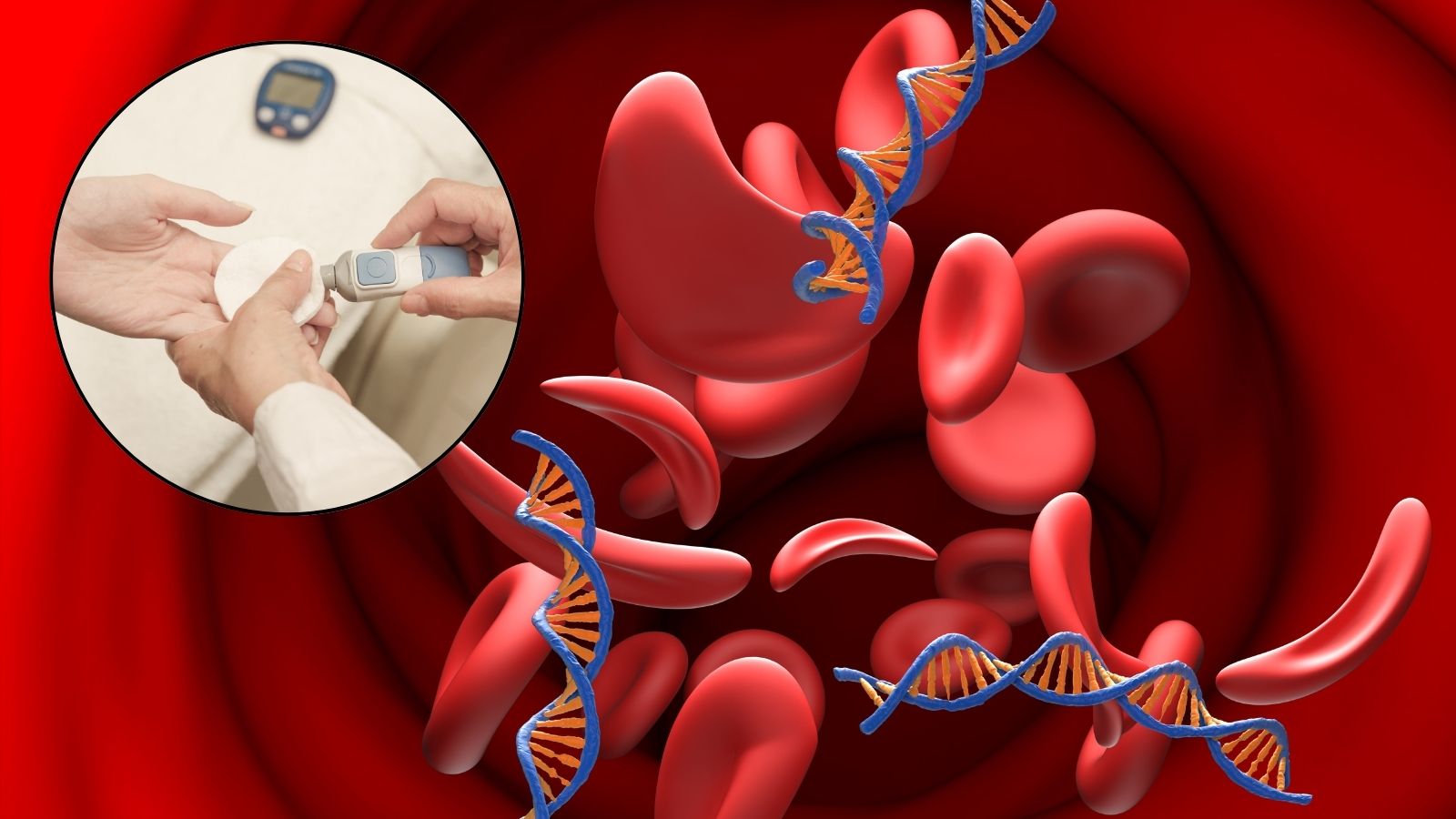
Medical experts warn that anaemia can significantly alter HbA1c readings, leading to incorrect diabetes diagnoses. Learn how red blood cell lifespan impacts your results.
- Anaemia can cause falsely high or low HbA1c readings.
- Iron deficiency often leads to an overestimation of average blood sugar.
- Haemolytic conditions can cause an underestimation of glucose levels.
- Fructosamine tests are a reliable alternative when RBC turnover is abnormal.
For millions managing diabetes, the HbA1c test is the ultimate benchmark for glucose control. However, a critical biological factor—anaemia—can act as a silent disruptor, making these results unreliable. Because the test measures glucose attached to haemoglobin over the lifespan of red blood cells, any condition affecting those cells can skew the data.
The Biological Link Between Blood Cells and Glucose
The HbA1c test does not just measure sugar; it measures the 'memory' of sugar within your red blood cells (RBCs). If a medical condition alters how long these cells live or how they are produced, the resulting HbA1c value will no longer reflect your actual average blood glucose levels.
Why This Matters
BozokMedia analysis shows that misinterpreting HbA1c levels due to underlying anaemia can lead to dangerous clinical decisions, such as escalating insulin dosages unnecessarily. This creates a cycle of mismanagement where the patient treats a 'number' rather than their actual metabolic state.
Iron-deficiency anaemia can sometimes make HbA1c appear higher than the person’s actual glucose levels would suggest.
How Different Anaemias Affect Results
Not all anaemia is created equal. The impact on your lab report depends heavily on the specific type of blood disorder you are experiencing. Experts categorize the interference as follows:
| Type of Anaemia | Effect on HbA1c | Mechanism |
|---|---|---|
| Iron-Deficiency Anaemia | Falsely Elevated | Increased RBC lifespan |
| Haemolytic Anaemia | Falsely Low | Shortened RBC lifespan |
| Sickle Cell / Thalassaemia | Variable/Erratic | Structural haemoglobin changes |
Dr. Palleti Siva Karthik Reddy, a Consultant Physician, emphasizes that a mismatch between home glucose monitoring and HbA1c results is a major 'red flag' that necessitates further investigation into haemoglobin levels and RBC indices.
Reliable Alternatives for Glucose Monitoring
When clinical suspicion of anaemia is high, doctors shift their diagnostic strategy. Instead of relying solely on HbA1c, medical professionals may utilize:
- Fructosamine Testing: Measures glucose control over a much shorter window (2-3 weeks) and is independent of RBC lifespan.
- Continuous Glucose Monitoring (CGM): Provides real-time data that is unaffected by blood cell turnover.
- Structured Fasting/Post-Meal Tests: Offers snapshots of glucose levels that provide a reality check against HbA1c.
Frequently Asked Questions
1. If my HbA1c is high but my home monitor is low, should I worry?
Yes, this discrepancy often suggests that an underlying condition like iron deficiency may be inflating your HbA1c reading.
2. Can treating anaemia fix my HbA1c readings?
Yes. Once the underlying anaemia is treated and red blood cell turnover stabilizes, HbA1c becomes a much more accurate diagnostic tool.