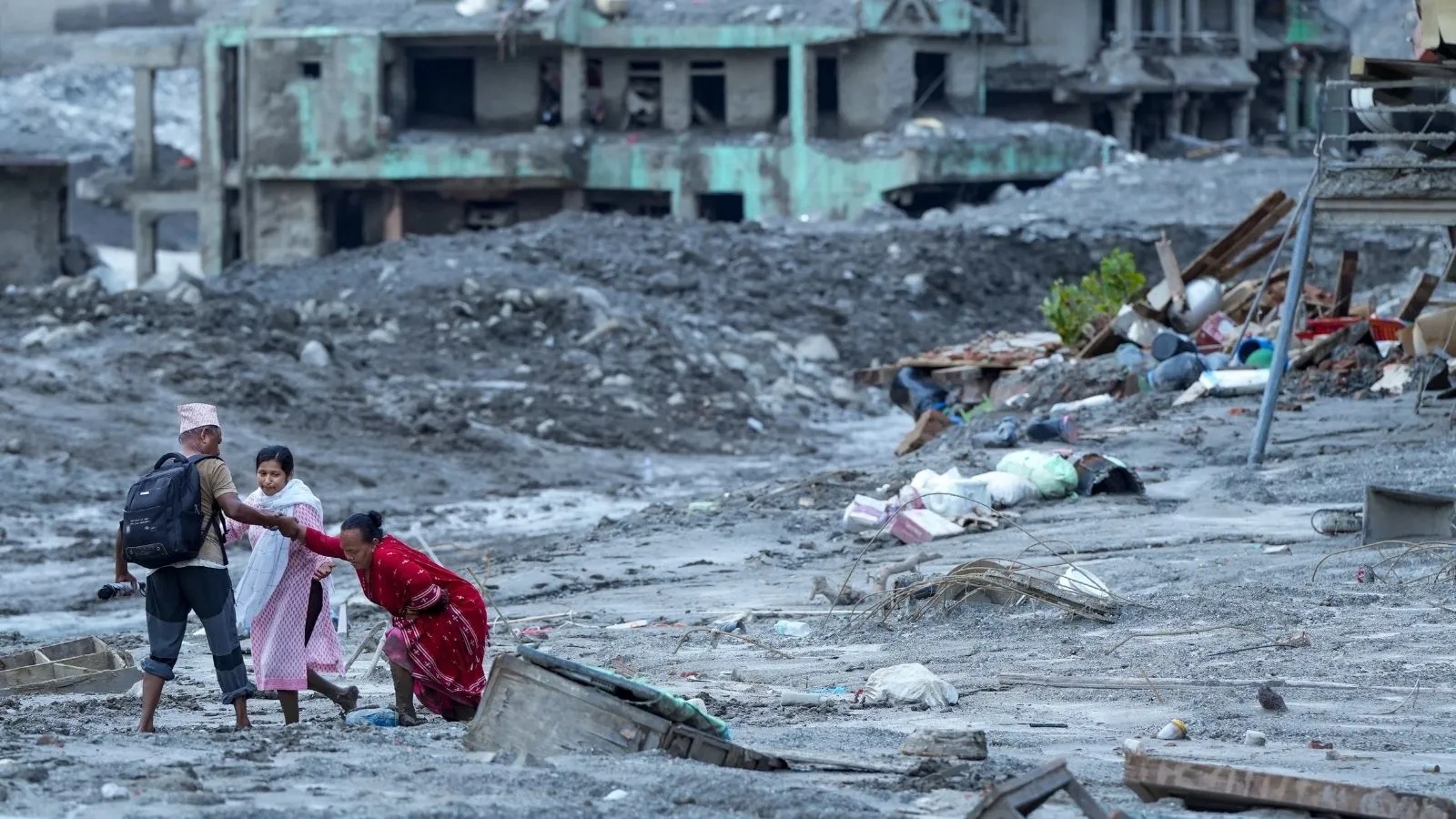
Following the devastating flash floods in Nepal, medical experts are warning of a secondary crisis: waterborne and foodborne diseases. Contamination of resources poses a massive risk to survivors.
- Floodwaters mix with sewage and chemicals, contaminating drinking supplies.
- Gastrointestinal infections like Cholera and Typhoid are major post-flood risks.
- Dehydration is a critical threat to children and the elderly.
- Food safety and hand hygiene are paramount during recovery.
The aftermath of the recent devastating Nepal-Tibet flash floods has shifted from immediate structural destruction to a looming public health emergency. As water recedes, medical professionals are sounding the alarm regarding the invisible threats lurking in the environment left behind by the deluge.
The Primary Threat: Contaminated Water and Food
One of the most immediate and severe health concerns is the contamination of essential resources. Dr. Manish Dodmani, a consultant gastroenterologist at KIMS Hospitals, Thane, explains that floodwater often becomes a toxic cocktail, mixing with sewage, animal waste, and industrial chemicals. This creates an ideal breeding ground for pathogens that cause rapid infection spread.
Why This Matters
BozokMedia analysis shows that in disaster-stricken zones, the breakdown of sanitation infrastructure often leads to a secondary wave of mortality through preventable diseases. The risk is not just about the flood itself, but the systemic failure of clean water access in its wake.
Floodwater can mix with sewage and decaying material, creating a setting where infections can spread with alarming speed.
Dr. Shankar Zanwar of Gleneagles Hospital, Mumbai, emphasizes that acute gastroenteritis is a primary concern. He warns that diseases such as Typhoid, Cholera, Dysentery, and Hepatitis A and E can spread rapidly through compromised food supplies and sanitation systems.
Historical Context of Post-Flood Epidemics
Historically, flash flood events in the Himalayan region have frequently been followed by outbreaks of waterborne diseases. The sudden influx of debris and sediment into water sources often makes traditional filtration methods ineffective, leading to widespread illness in vulnerable communities.
| Condition | Key Symptoms | Primary Cause |
|---|---|---|
| Gastroenteritis | Vomiting, Diarrhea, Cramps | Contaminated Food/Water |
| Hepatitis (A/E) | Jaundice, Fever, Fatigue | Infected Water Sources |
| Dehydration | Dizziness, Low Urine Output | Loss of Electrolytes |
Furthermore, the psychological impact cannot be ignored. Dr. Amol S. Dahale notes that Post-Traumatic Stress Disorder (PTSD) can trigger conditions like Irritable Bowel Syndrome (IBS), highlighting the need for both physical and mental health support.
Frequently Asked Questions
1. What are the red flags for medical attention?
Seek help immediately if there is blood in the stool, persistent fever, or severe abdominal pain.
2. How can I ensure food safety during a power outage?
Avoid any food that has touched floodwater or has been stored without refrigeration for extended periods.


