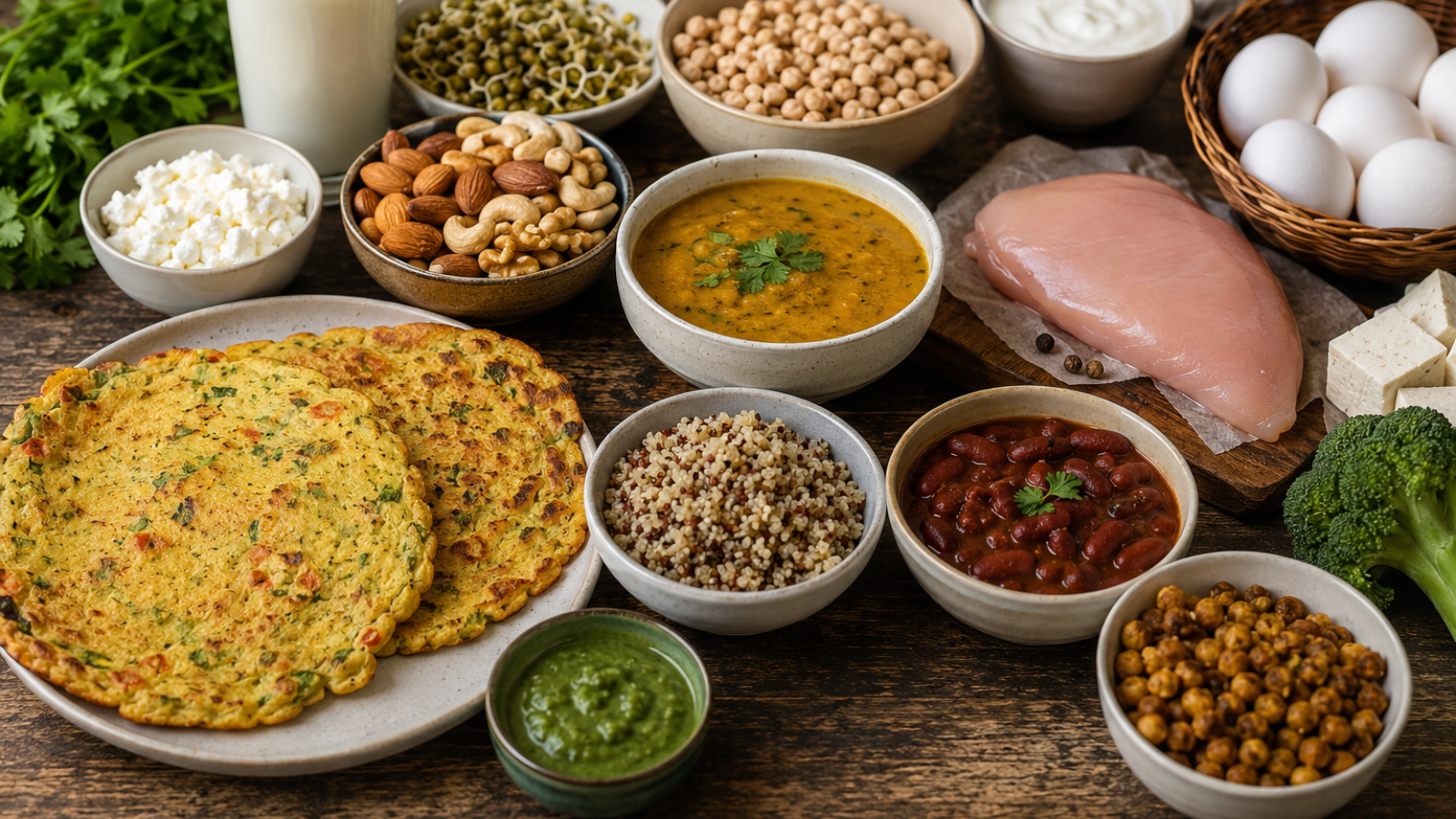
Is your muscle-building diet causing stomach discomfort? Learn why high protein intake leads to bloating and which food sources you should avoid.
- Sudden increases in protein intake can overwhelm the digestive system.
- Legumes, beans, and dairy are common triggers for gas.
- Ingredients in protein powders, like sweeteners, often cause bloating.
- Seek medical help if gas is accompanied by severe pain or blood in stool.
Protein has become the cornerstone of modern nutrition, with fitness enthusiasts adding eggs, lentils, and protein shakes to almost every meal. However, this nutritional shift often comes with an unwelcome guest: gas and bloating. If your stomach is constantly rumbling, it might be a sign that your gut is struggling to keep up with your protein demands.
According to Dr. Shankar Zanwar, a senior consultant gastroenterologist at Gleneagles Hospital, Mumbai, the issue isn't necessarily the protein itself, but how the body processes it during a sudden dietary shift.
Why Does Protein Cause Gas?
The biological mechanism involves gut fermentation. Certain compounds in protein-rich foods are fermented by gut bacteria, a process that naturally produces gas. When a person transitions abruptly from a low-protein diet to a high-protein one, the gut microbiome requires time to adjust to the new metabolic workload.
Eating large portions quickly can exacerbate bloating, while underlying constipation can make gas-related discomfort even more noticeable.
Why This Matters
BozokMedia analysis shows that while the focus on macronutrients is vital for physical performance, neglecting the digestive capacity (gut health) can lead to a cycle of discomfort and poor nutrient absorption, ultimately defeating the purpose of a high-protein diet.
Common Protein Triggers
Not all protein sources are created equal. Depending on your individual tolerance, certain foods are more likely to cause distress:
| Protein Source | Common Symptom | Potential Cause |
|---|---|---|
| Beans & Lentils | Flatulence/Gas | Fermentable carbohydrates |
| Dairy Products | Bloating | Lactose intolerance |
| Processed Powders | Burping/Gas | Artificial sweeteners/Sugar alcohols |
The Protein Powder Paradox
Many users blame protein powder for their digestive issues. However, it is often not the protein isolate but the additives. Ingredients such as sugar alcohols, added fibers, or milk-based components in whey can trigger significant bloating in sensitive individuals. Switching to a different formulation or a plant-based alternative can often resolve these issues.
When to Consult a Professional
While occasional gas after a dietary change is normal, persistent symptoms should not be ignored. You should seek medical evaluation if you experience:
- Severe abdominal pain
- Chronic diarrhea or constipation
- Unexplained weight loss
- Blood in the stool
Frequently Asked Questions
1. Should I stop eating protein to avoid gas?
Not necessarily. It is often more effective to increase protein intake gradually and identify specific food triggers.
2. Can constipation make gas worse?
Yes, constipation can trap gas in the digestive tract, leading to increased pressure and discomfort.
