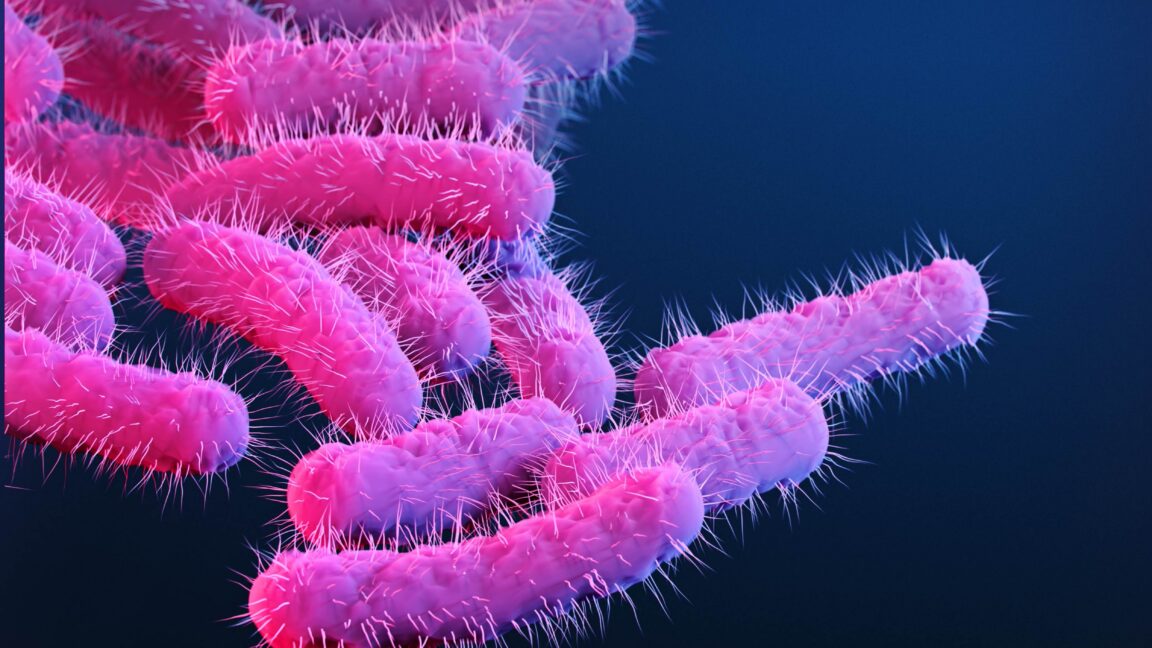
A two‑year diarrhea epidemic that struck over 150 non‑human primates has provided scientists with valuable immune data for Shigella vaccine development. The study uncovers unexpected antibody targets that could accelerate vaccine design.
- Over 150 primates suffered a two‑year diarrhea outbreak
- New immune targets against Shigella identified
- Findings fast‑track rational vaccine design
Outbreak Background
At a major research facility, more than 150 non‑human primates contracted a persistent diarrhea caused by Shigella bacteria, a leading cause of severe water‑borne illness worldwide. The outbreak lasted over two years, creating a unique data set for immunologists.
Key Findings of the Study
Published in the latest issue of Science Translational Medicine, the research team sifted through massive immunological datasets collected during the infections. They pinpointed specific bacterial molecules that the immune system can most effectively attack.
Within those molecules, the scientists mapped tiny notches where the most potent antibodies bind, offering precise targets for next‑generation vaccine candidates.
Historical Context
Previous Shigella research has largely focused on human clinical cases, leaving a gap in understanding natural immune responses in primate models. This outbreak inadvertently filled that gap, allowing a direct view of how a living immune system reacts to natural infection.
Why This Matters
BozokMedia analysis shows that the wealth of data will dramatically shorten the timeline for Shigella vaccine development, potentially reducing global diarrheal disease burden.
"This study represents a watershed moment in decoding the anti‑Shigella antibody response," says immunology expert Dr. Maya Patel.
Frequently Asked Questions
Q1: Will this vaccine move quickly into human trials?
While still in early stages, the robust dataset greatly improves the prospects for rapid clinical testing.
Q2: Are there ethical concerns about using primates in this research?
The study was overseen by an Institutional Animal Care and Use Committee, ensuring strict adherence to welfare standards.

