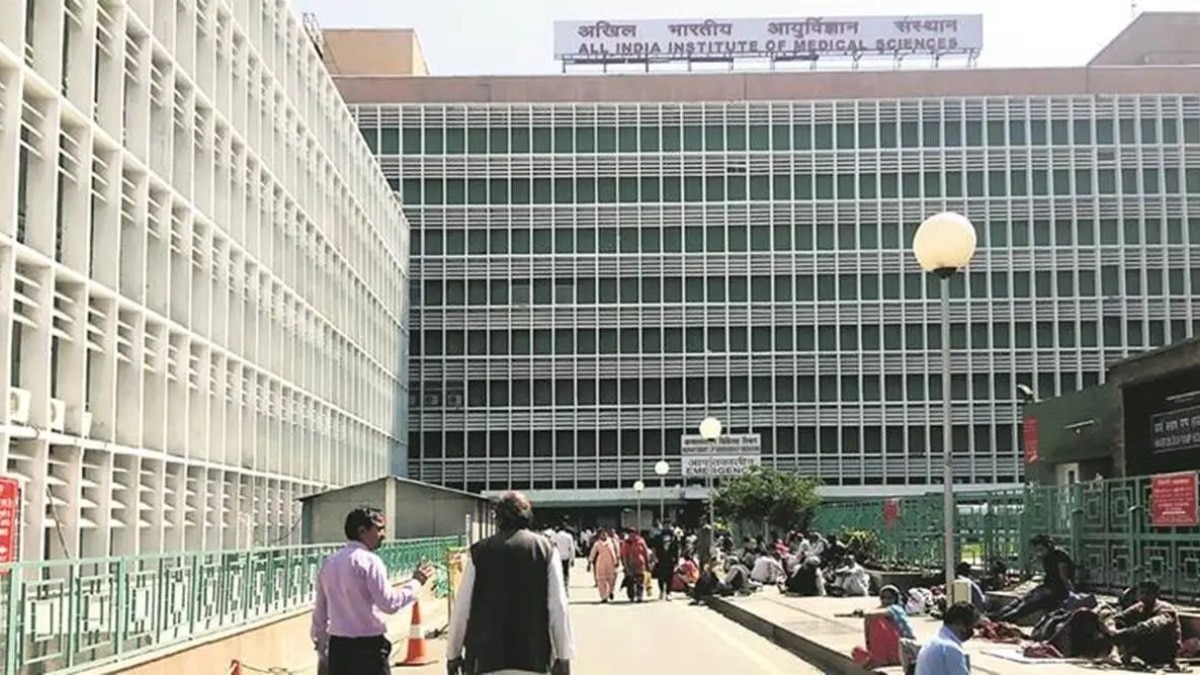
The death of 15-year-old Tanvi Pariyani at AIIMS has sparked intense debate over medical feasibility versus administrative delays. A 13-year battle against a congenital heart defect ends in tragedy.
- Tanvi was diagnosed with a complex VSD and pulmonary atresia in 2012.
- A 2014 AIIMS document recommended corrective surgery.
- The family alleges repeated delays and broken promises regarding surgery dates.
- AIIMS maintains that surgery was eventually ruled out due to anatomical complexity.
- An official inquiry has been ordered into her death in September 2026.
The death of 15-year-old Tanvi Pariyani at the All India Institute of Medical Sciences (AIIMS) has left a grieving family and a nation questioning the efficacy of large-scale medical institutions. Tanvi had spent nearly her entire life battling a severe congenital heart condition, a journey that began in 2012 and ended in tragedy on September 1, 2026.
Tanvi's medical history is a complex web of clinical recommendations and conflicting accounts. Diagnosed at age two with Ventricular Septal Defect (VSD) and Pulmonary Atresia, her condition meant the pathway for blood to travel from her heart to her lungs was severely compromised. While the medical challenges were immense, the procedural timeline has become the center of a heated dispute.
The Timeline of a Tragedy
In 2014, an official AIIMS estimate certificate recommended corrective surgery, specifically mentioning "unifocalisation & conduit" with an estimated cost of approximately Rs 1.25 lakh. This document serves as a critical piece of evidence for the family, who claim that following this recommendation, they were repeatedly given surgery dates that were subsequently postponed. Mukesh Pariyani, Tanvi's father, alleges that the family waited through years of shifting appointments.
By 2017-2018, the narrative shifted. AIIMS officials stated that after extensive evaluation, the surgical team concluded that corrective surgery was no longer technically feasible because the arteries supplying blood to her lungs were essentially absent. This divergence—between a recommendation for surgery in 2014 and a declaration of impossibility in 2017—is what the ongoing inquiry seeks to unravel.
Why This Matters
BozokMedia analysis shows that this case highlights a critical systemic gap in healthcare: the transition from 'surgical candidacy' to 'medical management.' When a patient is deemed a candidate for surgery and then later deemed ineligible, the period of limbo can be fatal if communication and alternative care pathways are not managed with extreme precision.
The gap between a medical recommendation and its execution can become a fatal void in complex pediatric cardiac care.
The desperation of the family was evident when they approached the Prime Minister's Office (PMO) in February 2026, seeking intervention as Tanvi's health deteriorated. Despite these high-level appeals, the clinical outcome remained grim. Tanvi was readmitted in August 2026, and her death shortly thereafter has prompted the hospital to form a committee to review all medical records, specialist opinions, and autopsy findings.
Frequently Asked Questions
1. What was the primary cause of Tanvi's condition?
She suffered from a complex congenital heart defect involving Ventricular Septal Defect (VSD) and Pulmonary Atresia.
2. What is the current status of the investigation?
AIIMS has ordered a formal inquiry to examine medical records, treatment history, and the circumstances surrounding her death.
| Period | Clinical Status | Family's Allegation | AIIMS's Position |
|---|---|---|---|
| 2014 | Surgery Recommended | Dates were repeatedly moved | Surgery was a viable option then |
| 2017-18 | Medical Management | Delays in critical care | Surgery ruled out as unsafe |
| 2026 | Final Hospitalization | Systemic failure | Clinical management attempted |

