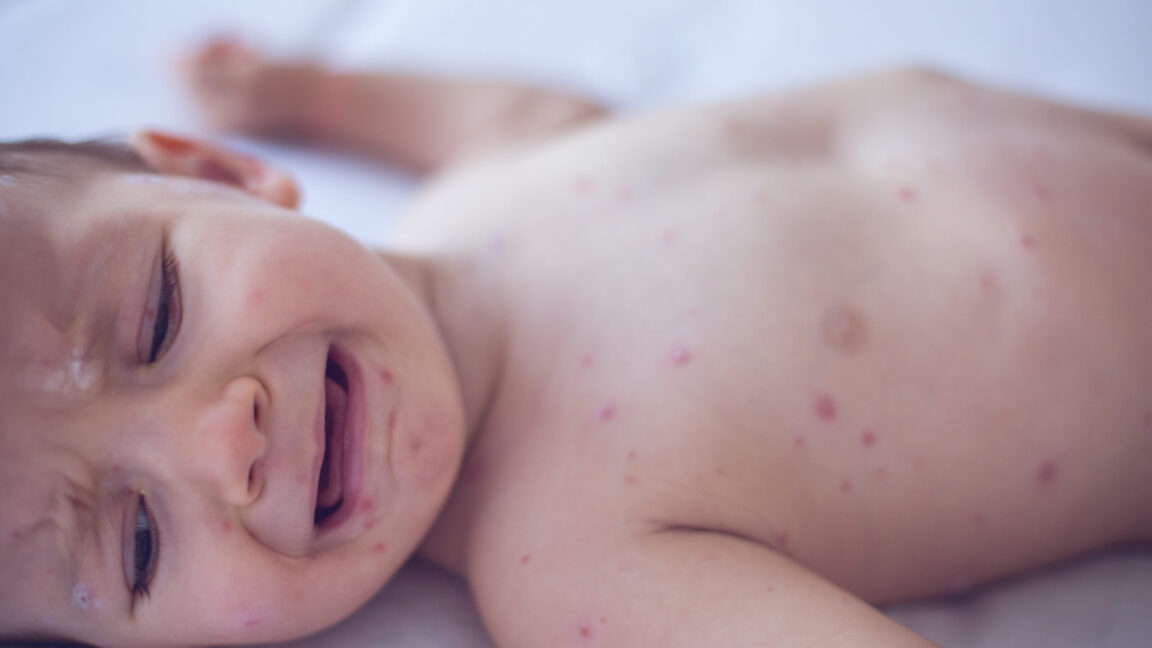
A tragic death of an infant in Lancaster, Pennsylvania, has been confirmed as measles-related, sparking renewed debate over public health and political discourse.
- A 6-week-old infant in Lancaster, PA, has died from measles.
- The infant also suffered from a rare genetic condition, Amish lethal microcephaly.
- The death occurs amid ongoing political disputes regarding health data.
In a heartbreaking development from Lancaster, Pennsylvania, the county coroner has officially confirmed that a six-week-old baby girl passed away due to measles. Stephen Diamantoni, the Republican coroner, informed local press that the infant died at her home, likely around August 18th.
The case has gained significant attention not only due to the vulnerability of the victim but also because it coincides with intense scrutiny and disputes raised by Robert F. Kennedy Jr. (RFK Jr.) regarding mortality statistics and public health policies. While political figures debate the data, the clinical reality in Lancaster remains a stark reminder of the virus's lethality.
Genetic Complexity: The Role of SLC25A19
Adding to the complexity of the case, the coroner noted that the infant was born with a condition known as Amish lethal microcephaly. This rare genetic disorder is characterized by unusually small head size and underdeveloped brain structures. The condition is traced back to a mutation in the SLC25A19 gene, which is critical for producing enzymes within the mitochondria that facilitate brain development.
Within the Old Order Amish community in Pennsylvania, this condition is notably more prevalent, affecting approximately 1 in 500 births. Medical data indicates that infants born with this specific mutation typically survive for only about six months, making them exceptionally vulnerable to external infections.
Why This Matters
BozokMedia analysis shows that this tragedy highlights the intersection of genetic vulnerability and infectious disease. For an infant already fighting a developmental battle, a preventable disease like measles can be a death sentence. This case underscores the critical importance of maintaining high vaccination rates to protect those with compromised health profiles.
Preventable diseases like measles pose an existential threat to infants already battling complex genetic predispositions.
The timing of this confirmation is critical. As political discourse surrounding vaccine safety continues to intensify, the direct medical confirmation of a measles death serves as a vital data point for public health officials attempting to manage community immunity.
Frequently Asked Questions
1. What causes Amish lethal microcephaly?
It is caused by a mutation in the SLC25A19 gene, which impacts mitochondrial energy production essential for brain growth.
2. How does measles affect infants?
Measles can lead to severe complications, including pneumonia and encephalitis, especially in infants with underlying health issues.
