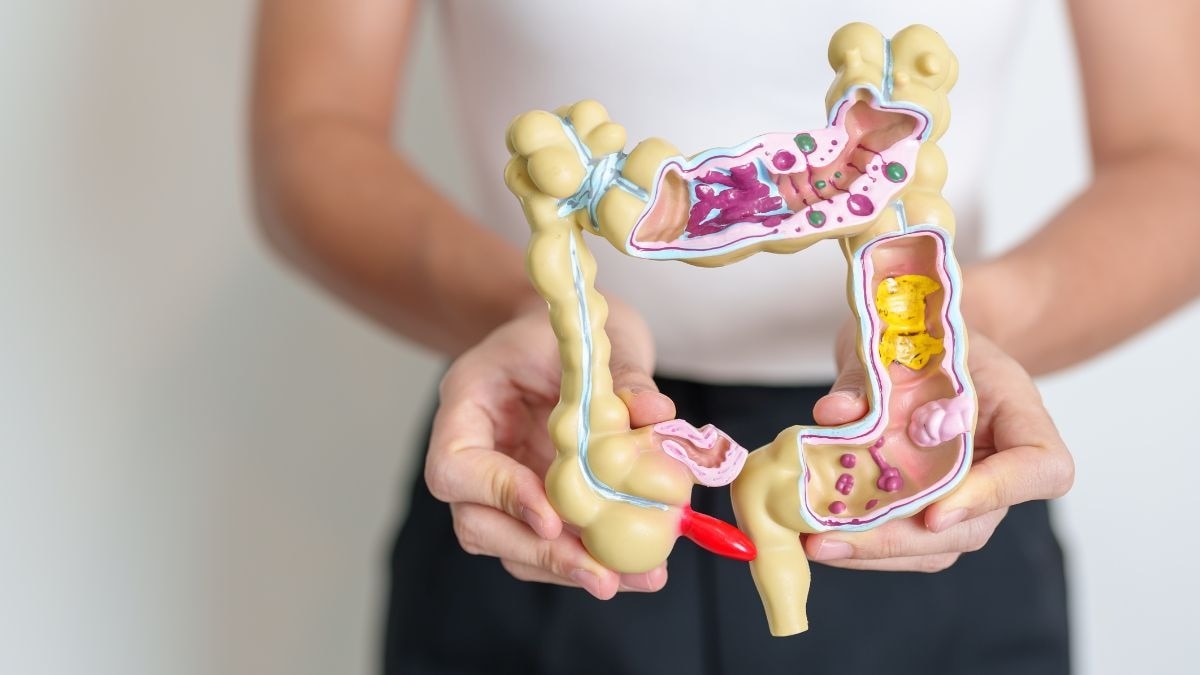
Persistent stomach pain after eating might be more than just indigestion. Learn the critical warning signs of colon cancer and when to consult a doctor.
- Post-meal discomfort like bloating or cramps can be common indigestion or a sign of something serious.
- Red flags include blood in stool, unexplained weight loss, and chronic constipation.
- Prevention involves a high-fiber diet, regular exercise, and avoiding processed fast foods.
Stomach pain, bloating, or cramping after meals is a common issue that most people experience at some point. While often attributed to simple indigestion, gas, or acidity, recurring discomfort can sometimes be an underlying indicator of a more serious condition, such as colon cancer. Understanding the distinction between temporary digestive upset and chronic warning signs is crucial for early detection.
When we consume food, the digestive system becomes highly active, triggering intestinal movements. For individuals prone to acidity or constipation, discomfort is expected. Additionally, infections or a diet heavy in fast food can cause transient pain. However, unlike simple indigestion which subsides within a few days, symptoms related to colorectal issues tend to persist or recur frequently.
Why This Matters
BozokMedia analysis shows that early diagnosis is the most significant factor in surviving colorectal cancers. As dietary habits shift globally toward processed foods, the incidence of digestive ailments is rising, making it imperative for individuals to recognize their body's signals before symptoms escalate into advanced stages.
Do not dismiss recurring abdominal pain as mere gas; if accompanied by other physiological changes, medical intervention is mandatory.
According to medical experts, including former specialists from AIIMS Delhi, doctors evaluate the frequency of pain, its timing relative to meals, and the patient's family history to assess risk. Diagnostic tools such as stool tests, blood tests, and in more serious cases, a biopsy, are utilized to confirm or rule out malignancy.
Critical Red Flags to Watch For
If stomach pain is accompanied by any of the following, seek medical attention immediately:
- Blood in Stool: This is one of the most significant indicators of colorectal issues.
- Unexplained Weight Loss: Rapidly losing weight without changes in diet or exercise.
- Persistent Changes in Bowel Habits: Long-term constipation or diarrhea that does not resolve.
- Chronic Fatigue: Persistent weakness or lack of energy throughout the day.
Preventative Measures
To mitigate the risk of colon cancer, experts recommend the following lifestyle adjustments:
- Incorporate adequate protein and essential vitamins into your daily diet.
- Minimize the consumption of ultra-processed and fast foods.
- Engage in regular physical exercise to maintain gut motility.
- Consult a gastroenterologist if abdominal pain becomes a recurring pattern.
Frequently Asked Questions
1. Is every instance of post-meal pain a sign of cancer?
No. Most cases are related to indigestion, gas, or food intolerances. However, frequency and associated symptoms are key differentiators.
2. What tests are typically used for colon cancer screening?
Common diagnostic steps include stool analysis, blood tests, and potentially a biopsy or colonoscopy if abnormalities are detected.