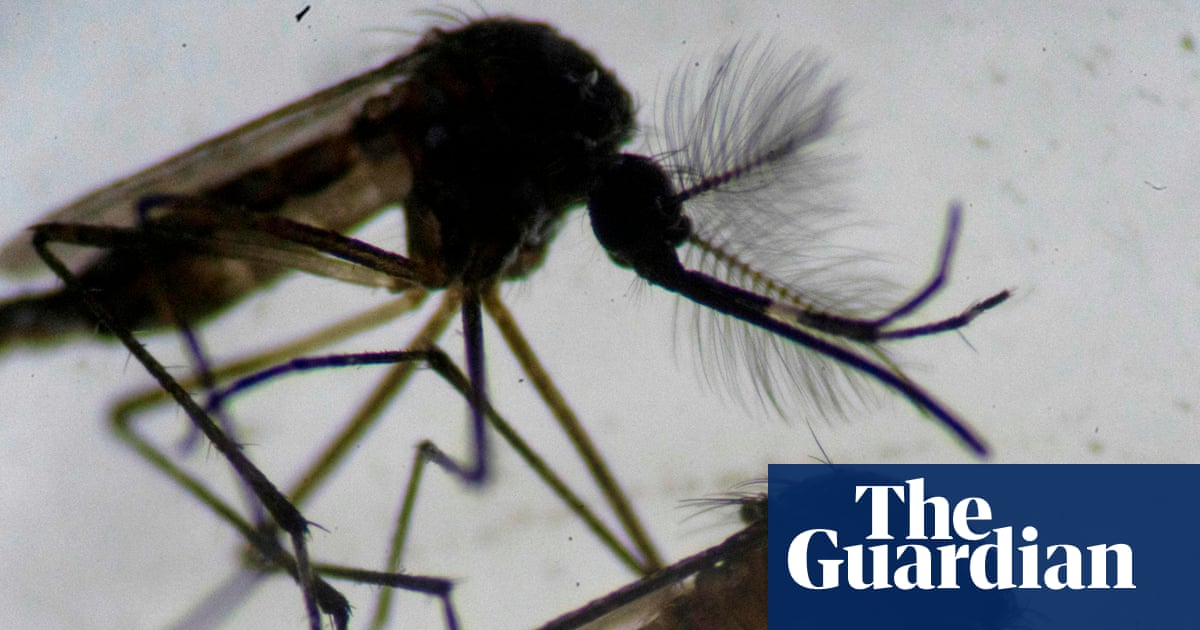
Experts warn of increasing mosquito incursions in the UK after Aedes aegypti was found breeding in East London homes, linked to climate change.
- Aedes aegypti mosquitoes have been found breeding in East London homes.
- This species is a primary carrier of Zika, Dengue, and Chikungunya.
- Climate change is cited as a key driver for these invasive species incursions.
- UKHSA maintains that the immediate public health risk remains low.
A significant biological alert has emerged from East London, where an invasive tropical mosquito species has been identified breeding within residential areas. The species, known as Aedes aegypti, is notorious for transmitting devastating tropical diseases, including Dengue, Chikungunya, and the Zika virus. This marks the first time the species has been confirmed to be breeding within the United Kingdom.
While this is the fourth time the mosquito has been detected in the country, the confirmation of breeding activity marks a critical shift. The UK Health Security Agency (UKHSA) has stated that while the finding is concerning, the current risk to the general public remains low, as there is no evidence of human infection resulting from these specific mosquitoes.
The Climate Change Connection
Environmental experts are sounding the alarm, suggesting that the rapidly warming global climate is creating a window of opportunity for exotic species to establish themselves in previously temperate zones. David Smith, an advocacy manager at the charity Buglife, noted that warming temperatures are making the UK more hospitable to invasive invertebrates.
The warming climate is creating increasingly favorable conditions for exotic and potentially invasive species to establish themselves in the UK.
BozokMedia analysis shows that these insects often enter the country through global trade pathways, such as through imported plants, luggage, or vehicles. While the typical UK climate is currently too cold for long-term survival, the trend of rising temperatures suggests this may change.
Public Health Response and Prevention
In response to the discovery, the UKHSA has implemented immediate control measures to destroy larvae in the affected areas. Surveillance has been intensified to monitor the spread and ensure any further incursions are eradicated promptly. Health officials have also issued guidance to residents to prevent mosquito breeding by removing standing water from garden pots, buckets, and paddling pools.
Frequently Asked Questions
1. How do these mosquitoes enter the UK?
They can 'hitchhike' into the country via imported soil, potted plants, or through international travel and cargo.
2. Is there an immediate danger to Londoners?
Currently, the UKHSA reports the risk is low, but they are monitoring the situation closely to prevent any disease outbreaks.
