You don't have to cut carbs to manage glucose. Discover how changing the order of your food can stabilize blood sugar and improve metabolic health.
- Changing food sequence can significantly reduce post-meal glucose spikes.
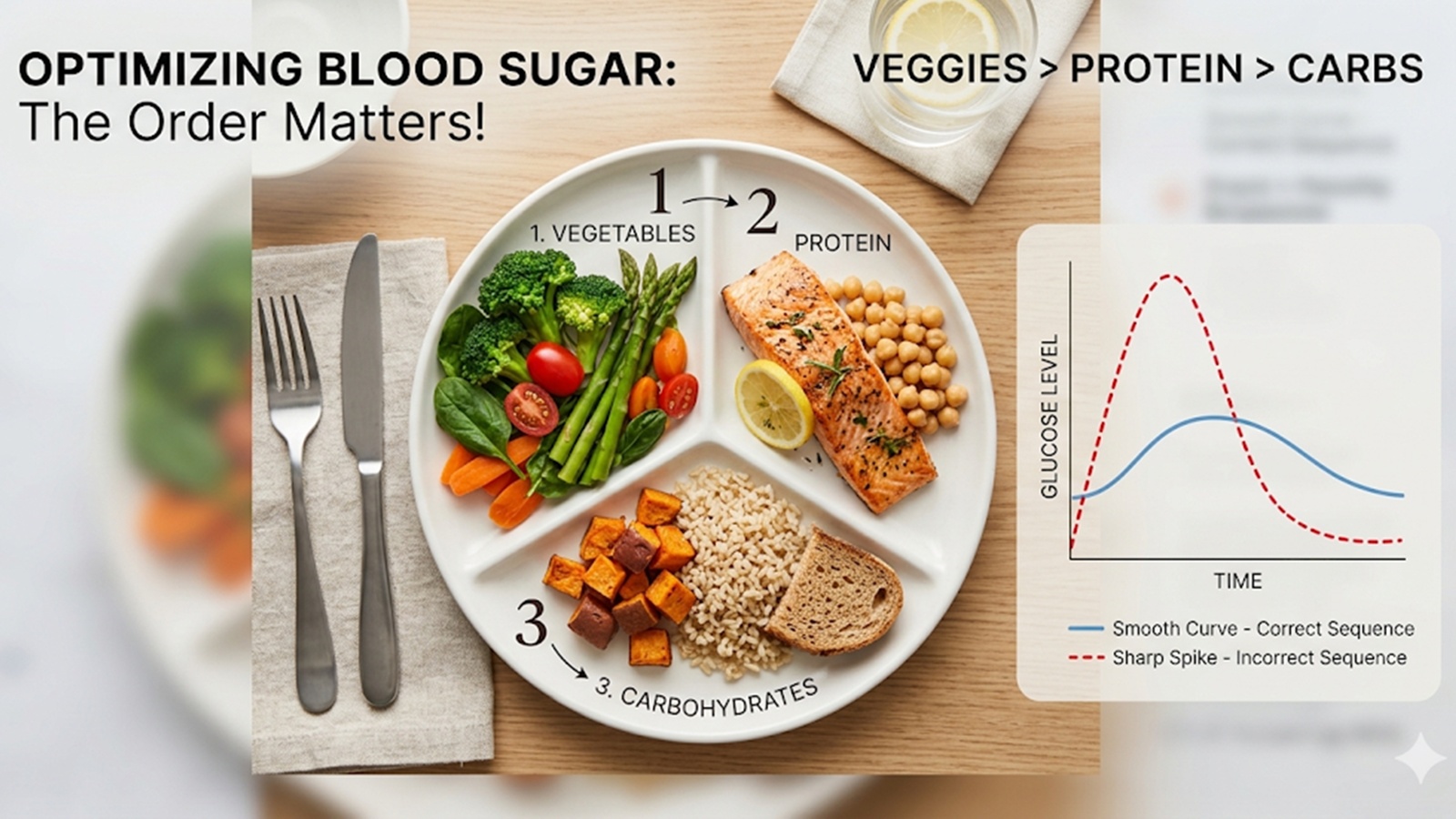
- Eat vegetables first, followed by protein and fats, and finish with carbohydrates.
- This method slows digestion and reduces the demand for insulin.
Managing blood sugar is frequently associated with restrictive diets and the elimination of favorite foods. However, emerging medical insights suggest that practical tweaks in eating patterns can be just as effective. Dr. Alessia Roehnelt, a New Jersey-based endocrinologist, has highlighted a common mistake: starting meals with carbohydrates like bread, which triggers rapid glucose excursions.
Instead of a complete dietary overhaul, Dr. Roehnelt suggests a strategic approach known as 'food sequencing.' By consuming fiber-rich vegetables first, followed by proteins and fats, and saving carbohydrates for the end of the meal, individuals can fundamentally change their metabolic response.
The Science of Gastric Emptying
The physiological mechanism behind this is fascinating. When fiber and protein are consumed first, they slow down 'gastric emptying'—the rate at which food leaves the stomach. This ensures that glucose enters the bloodstream more gradually rather than in one massive surge.
Vegetables and protein slow gastric emptying, so glucose enters your bloodstream more gradually, requiring less insulin.
BozokMedia analysis shows that this gradual absorption not only stabilizes energy but also plays a crucial role in weight management, as lower insulin spikes are linked to reduced fat storage.
Clinical Implications and Long-term Benefits
Dr. Palleti Siva Karthik Reddy, a consultant physician at Elite Care Clinic, confirms that this impact is clinically meaningful. He notes that this sequence creates a 'buffering effect' in the digestive system. Over time, preventing sharp glucose spikes helps preserve insulin sensitivity and reduces the risk of developing insulin resistance.
| Meal Sequence | Glucose Response | Insulin Demand |
|---|---|---|
| Carbs First | Rapid Spike | High |
| Veggie $\rightarrow$ Protein $\rightarrow$ Carbs | Gradual Rise | Controlled |
Furthermore, stabilizing blood sugar helps regulate appetite. Rapid spikes followed by crashes often lead to intense cravings; by smoothing out these fluctuations, individuals may experience better satiety and consistent energy levels throughout the day.
Important Considerations for Specific Groups
While food sequencing is generally safe, Dr. Reddy advises caution for certain groups. Individuals on glucose-lowering medications, such as insulin, must monitor their levels closely to avoid unintended hypoglycemia. Additionally, those with digestive conditions like gastroparesis should consult a doctor before significantly increasing fiber intake at the start of meals.
Frequently Asked Questions
Question 1: Do I need to stop eating carbs entirely?
Answer: No, the goal is to change the timing of carb consumption, not necessarily to eliminate them.
Question 2: Is this effective for weight loss?
Answer: Yes, by managing insulin levels, it can indirectly support weight management and reduce overeating.