An eye drop's expiry date isn't the only factor in its safety. Learn why opening the bottle changes everything and how to avoid serious eye infections.
- Most multi-dose eye drops should be discarded within 28-30 days of opening.
- Never let the dropper tip touch your eyes, eyelashes, or any surface to prevent contamination.
- Preservative-free single-use vials must be discarded immediately after one use.
- Symptoms like redness, pain, or blurred vision require immediate medical attention.
A bottle of eye drops may display an expiry date months into the future, but that does not guarantee its safety for use. Once a seal is broken, the introduction of microorganisms through environmental exposure and repeated handling can transform a helpful medication into a source of dangerous infection. Understanding the window of usability is critical for ocular health.
Does the 'One-Month Rule' Apply to Everyone?
There is a common misconception that all eye drops must be thrown away exactly 30 days after opening. However, Dr. Purendra Bhasin, Ophthalmologist and Founder & Director of Ratan Jyoti Netralaya, clarifies that this is not an absolute rule. The safe usage period is highly dependent on the specific product, its preservative system, and the manufacturer's explicit instructions.
Packaging plays a vital role in determining longevity. For instance, preservative-free eye drops often come in single-use vials, which are designed to be used once and discarded immediately to prevent any bacterial growth. Conversely, specially designed multi-dose bottles may contain preservatives that allow for a longer period of use, provided they are handled correctly.
Why This Matters
BozokMedia analysis shows that improper handling of ophthalmic medications is a leading cause of preventable eye inflammation. Contamination is often invisible to the naked eye, making it a silent threat to users who rely on old or poorly stored drops.
Contaminated drops can lead to conjunctivitis, corneal infection, or inflammation, which in severe cases can threaten your vision.
The risk of contamination escalates significantly if the dropper tip makes contact with your eyelashes, skin, or fingers. This physical contact introduces bacteria directly into the bottle, creating a breeding ground for pathogens. While conjunctivitis might be manageable, a corneal infection—where the infection reaches the clear front part of the eye—can lead to permanent vision loss.
Common Mistakes and Best Practices
According to medical experts, several common errors contribute to eye infections: touching the dropper tip, sharing drops with others, failing to recap the bottle, or storing medication in direct sunlight or extreme heat. To mitigate these risks, professionals recommend the following hygiene protocol:
- Always wash your hands thoroughly before application.
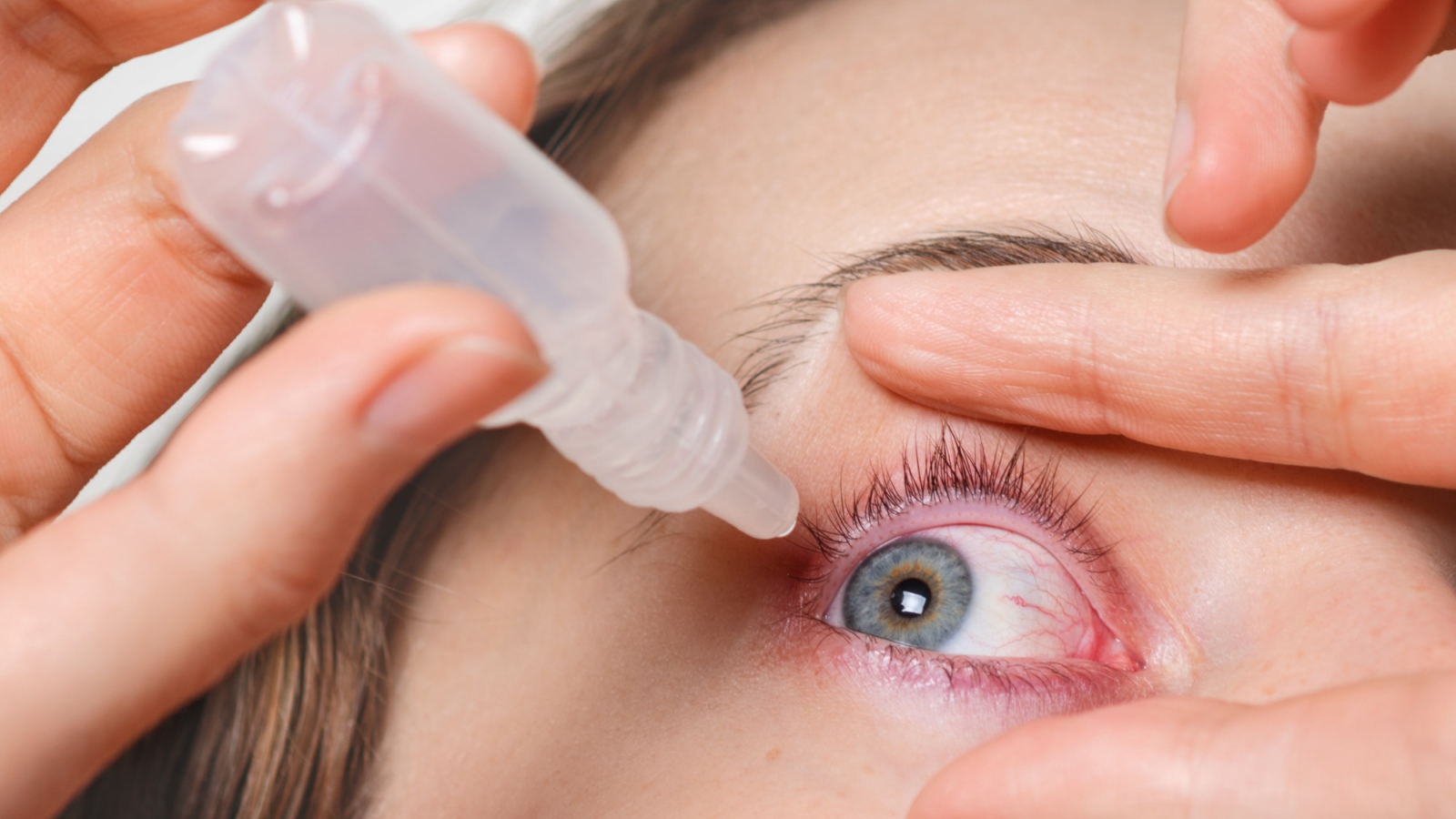
- Maintain a gap between the dropper and your eye to ensure no contact occurs.
- Replace the cap immediately after every use.
- Pro Tip: Write the date of opening clearly on the bottle label to avoid confusion.
Frequently Asked Questions
1. Can I share my eye drops with a family member?
Absolutely not. Sharing eye drops can transfer bacteria and infections from one person to another, posing a significant health risk.
2. What should I do if I notice my eye drops have changed color?
If the liquid appears cloudy, changes color, or has particles floating in it, discard it immediately and consult your doctor.