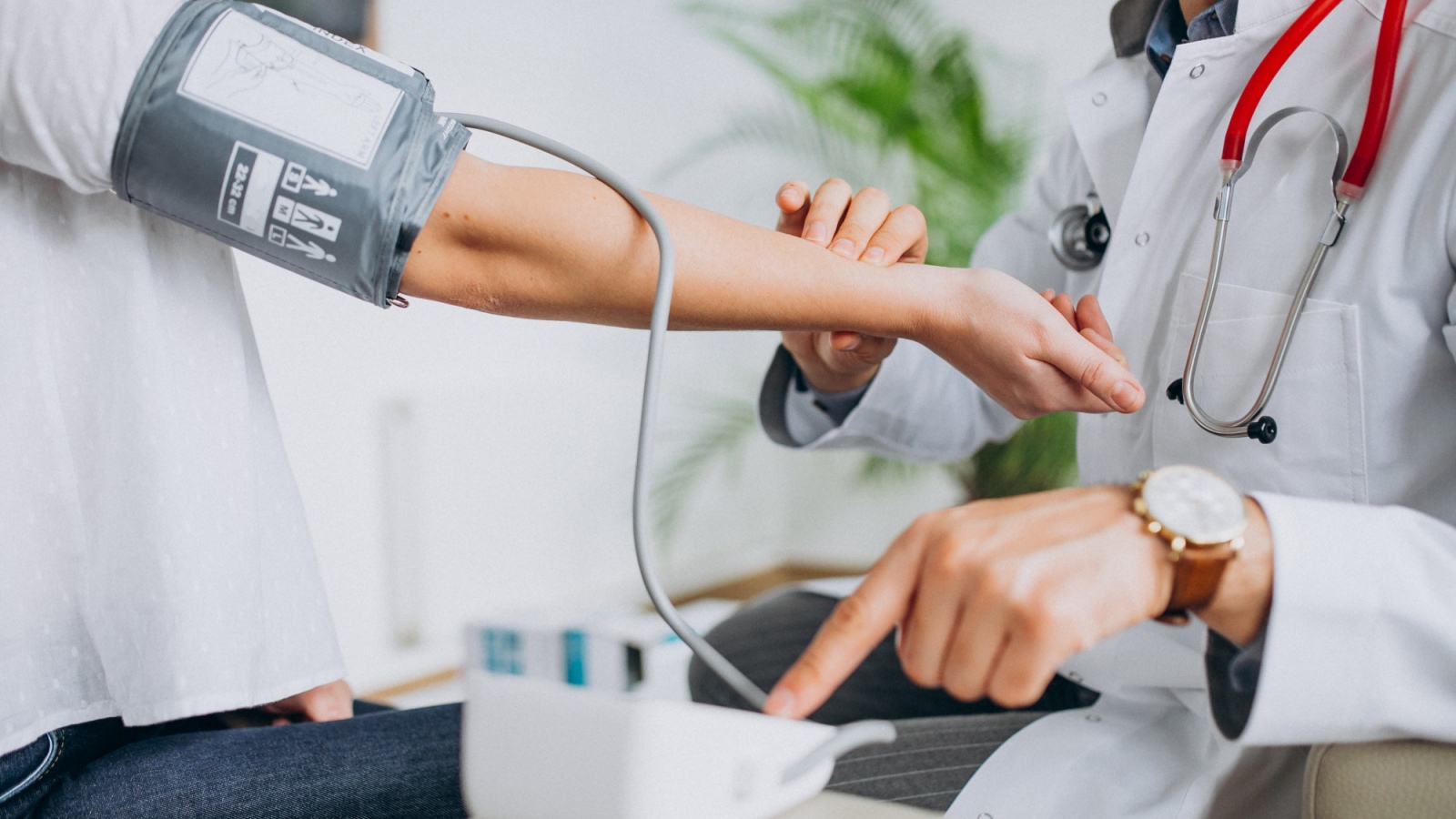
As India experiences a surge in life expectancy, a critical gap is emerging between longevity and quality of life for women. Addressing gender-specific aging needs is no longer optional—it is a necessity.
- India is seeing a rise in life expectancy, but women face disproportionate health challenges.
- Longevity does not automatically equate to healthy aging, especially for the female population.
- Policy frameworks must shift from mere survival to ensuring quality of life for elderly women.
India is undergoing a profound demographic shift. As medical advancements continue to push the boundaries of human life, the nation's average life expectancy is climbing. However, beneath this statistical triumph lies a troubling reality: while women are living longer, they are not necessarily living healthier lives compared to their male counterparts.
Current data suggests a widening gap in 'healthy life years.' While women often outlive men, they frequently spend a greater portion of their later years battling chronic illnesses, mobility issues, and mental health struggles. This phenomenon suggests that the 'longevity boom' is currently incomplete, as it lacks the dimension of wellness.
Why This Matters
BozokMedia analysis shows that treating women as an afterthought in geriatric care is a systemic failure. Aging is not a gender-neutral process. Hormonal shifts, different nutritional requirements, and unique socio-economic vulnerabilities mean that women require a specialized approach to elderly healthcare that current mainstream policies often overlook.
Longevity without vitality is a public health crisis waiting to happen; we must prioritize quality of life over mere years lived.
Furthermore, the socio-economic landscape of India plays a significant role. Many women reach their later years with less financial autonomy than men, making access to premium healthcare and specialized geriatric services a significant challenge. This economic disparity directly impacts their ability to manage age-related ailments effectively.
The lack of robust social support systems and community-based care for elderly women further exacerbates the issue of isolation and declining mental health in the aging population.
Historical Background
Historically, India's public health triumphs have focused on combating infectious diseases and reducing infant mortality. While these efforts have successfully extended life expectancy, the shift toward managing non-communicable diseases (NCDs)—such as osteoporosis, cardiovascular issues, and diabetes—requires a new paradigm of care that is sensitive to gender-specific biological realities.
Frequently Asked Questions
Question 1: What is the difference between life expectancy and healthy life expectancy?
Answer: Life expectancy measures the total number of years a person is expected to live, whereas healthy life expectancy measures the years lived in good health, free from chronic disease.
Question 2: Why are women more vulnerable to certain age-related issues?
Answer: Biological factors like menopause, combined with socio-economic factors like lower financial independence, make women more vulnerable to specific health and social challenges.