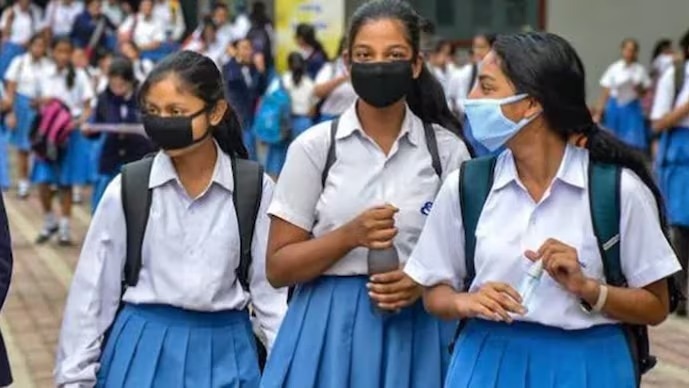
To combat the surge in Dengue, West Bengal Health Minister Dr. Shardata Mukherjee has advised schools to implement a protective dress code for students between September and November.
- West Bengal government suggests changing school uniforms to prevent Dengue bites.
- Boys are advised to wear full-sleeve shirts and full pants.
- Girls are encouraged to wear salwar suits instead of skirts to ensure full leg coverage.
- The measure is specifically targeted for the high-risk months of September to November.
In a proactive move to curb the spread of Dengue in West Bengal, Health Minister Dr. Shardata Mukherjee has recommended a significant shift in the school dress code for students. During a high-level review meeting at the Health Bhavan, the minister emphasized the need to protect students from mosquito bites during the peak infection period, which typically spans from July to December.
The proposed guidelines suggest that educational institutions allow students to wear more protective clothing. For boys, this includes full-sleeve shirts and full-length trousers. For girls, who traditionally wear skirts, the minister has appealed to allow salwar suits or other attire that ensures the legs are completely covered, minimizing skin exposure to mosquitoes.
Why This Matters
BozokMedia analysis shows that school-aged children are often highly vulnerable to vector-borne diseases due to their daily routines. Implementing a temporary dress code change acts as a non-pharmaceutical intervention that can significantly reduce the risk of infection during the monsoon and post-monsoon seasons.
'We can completely stop Dengue; for this, awareness and protective measures are essential.' - Dr. Shardata Mukherjee
Addressing concerns regarding partial protection, the Health Minister dismissed the idea that wearing knee-high socks would be sufficient. He noted that socks are often thin and cling closely to the skin, providing inadequate protection against the Aedes mosquito. Full-length clothing remains the most effective physical barrier.
While an official circular is expected soon for government schools, the state government is also reaching out to private institutions. However, it is important to note that for private schools, the final decision regarding uniform modifications rests with their respective school boards.
Historical Background
West Bengal has historically faced seasonal outbreaks of Dengue, coinciding with the monsoon-driven increase in mosquito breeding sites. Public health departments have frequently issued advisories, but direct interventions in school environments have become a growing focus to protect the younger demographic.
Frequently Asked Questions
Question 1: Is this dress code mandatory for private schools?
Answer: The government is requesting private schools to adopt these measures, but the final authority lies with the individual school boards.
Question 2: How long will these changes be in effect?
Answer: The recommendation is specifically focused on the high-risk months of September, October, and November.

