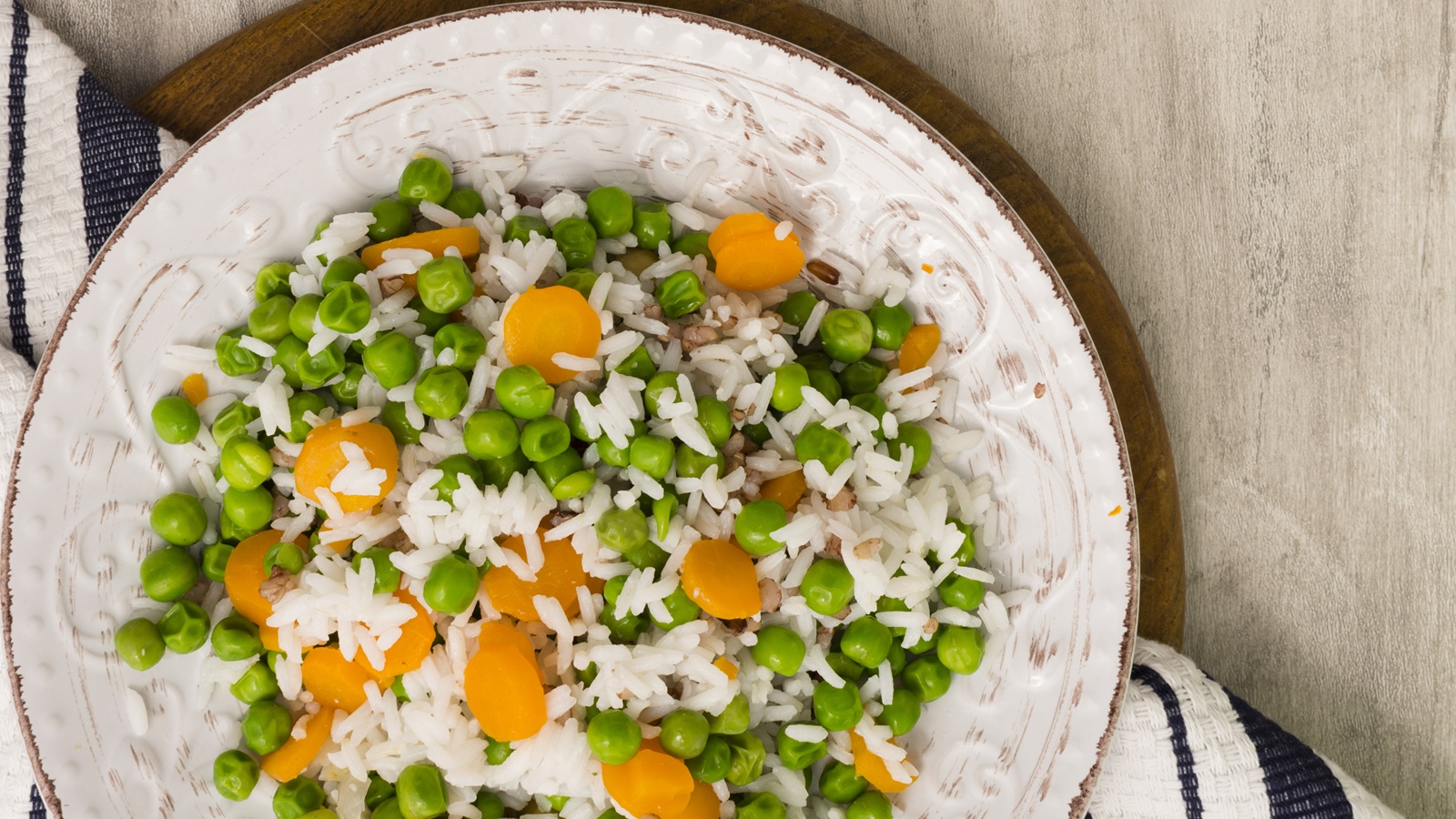
Nutritionists suggest adding green peas to rice to significantly increase fiber and protein intake. This simple hack helps stabilize blood sugar and improves satiety.
- Adding a cup of green peas to rice adds roughly 6g of protein and 10g of fiber.
- This combination helps prevent rapid blood sugar spikes after meals.
- Peas are rich in essential vitamins like Folate, Vitamin C, and Vitamin K.
Can a simple addition to your staple meal transform your nutritional profile? Nutritionist and content creator Deepsikha Jain has recently gone viral for a simple dietary hack: adding a cup of green peas to your rice. According to Jain, this single addition can provide an extra 6 grams of protein and 10 grams of fiber, helping you feel fuller and more satiated for longer periods.
Beyond just satiety, this nutritional upgrade plays a crucial role in metabolic health. By introducing fiber and plant-based protein into a carbohydrate-heavy meal like rice, you can effectively mitigate the 'sugar spike' and subsequent energy crash that often follows high-carb consumption. This makes it an ideal strategy for maintaining steady energy levels throughout the day.
Why This Matters
BozokMedia analysis shows that as global diets lean more heavily toward processed carbohydrates, the risk of insulin resistance and digestive issues increases. Integrating high-fiber, high-protein elements into traditional meals is a fundamental step toward preventative nutrition and long-term metabolic stability.
Adding peas to basic rice is a simple, practical nutrition trick that makes the meal more balanced.
Edwina Raj, Head of Services – Clinical Nutrition & Dietetics at Aster CMI Hospital, Bangalore, supports this approach. While she notes that the exact nutritional values (6g protein/10g fiber) are estimates that depend on portion sizes and the type of peas used, she emphasizes that the addition significantly increases the nutrient density of the plate.
The Nutritional Powerhouse: Why Peas?
Peas are much more than just a colorful garnish. They are packed with essential micronutrients that support various bodily functions:
- Dietary Fiber: Supports gut health and improves bowel movements.
- Plant Protein: Essential for muscle maintenance and daily protein requirements.
- Folate & Vitamin C: Crucial for cell growth, red blood cell formation, and immune function.
- Minerals: Provides potassium and iron, supporting heart and blood health.
Optimizing Your Meal
To get the most out of this hack, experts suggest not relying on peas as your *only* protein source. For a truly complete meal, combine your pea-rice with dal, legumes (rajma/chana), tofu, paneer, or curd. Additionally, avoid cooking them with excessive butter, cream, or salt to preserve their health benefits. If you are prone to bloating, introduce legumes gradually to allow your digestive system to adapt.
Frequently Asked Questions
1. Are frozen peas as healthy as fresh ones?
Yes, both fresh and frozen peas are excellent choices, provided they are prepared with minimal added fats and sodium.
2. Can this hack help with weight management?
Yes, the increased fiber and protein content promotes satiety, which can help prevent overeating.