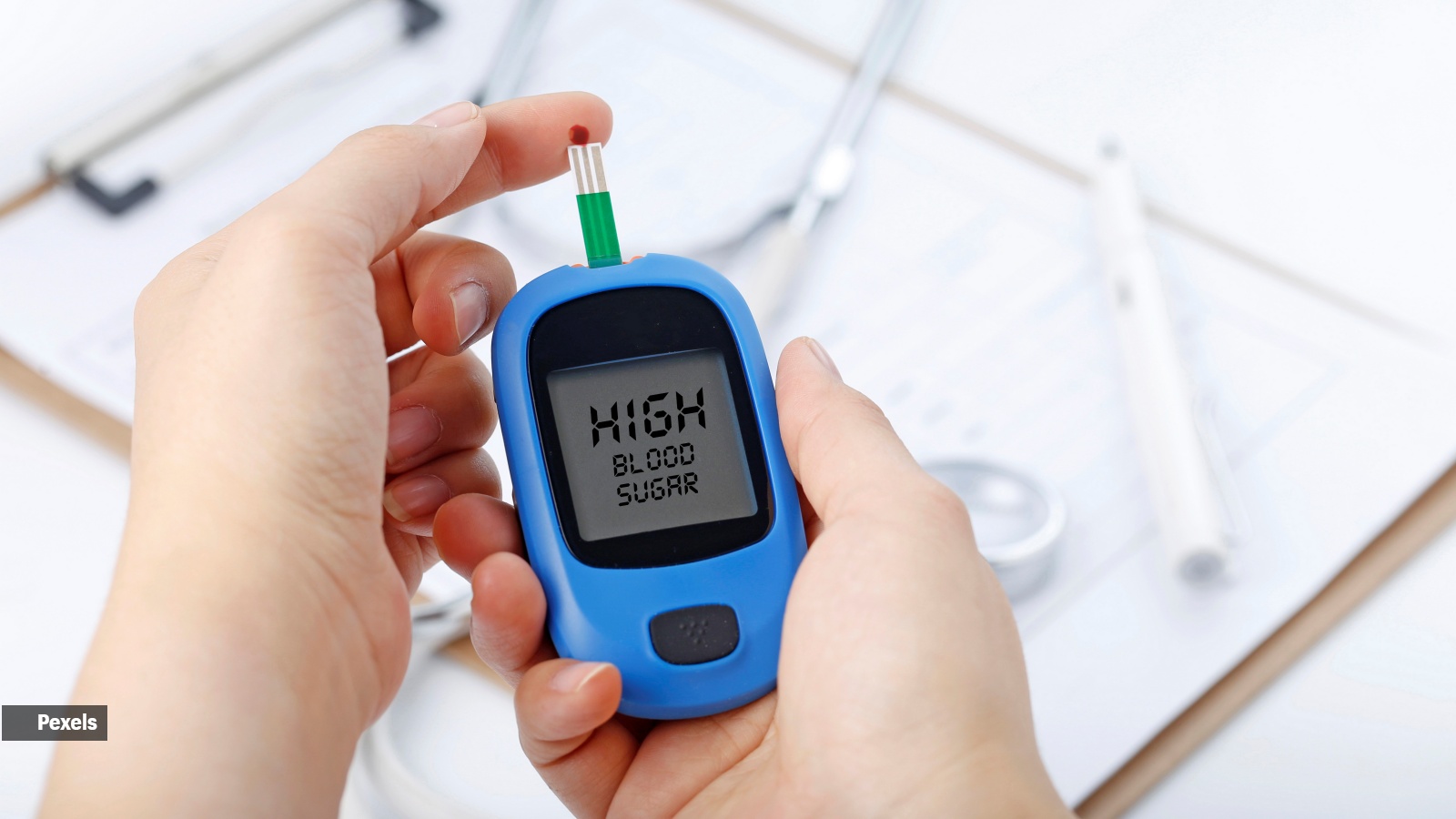
An HbA1c level of 10.6% indicates poorly controlled diabetes. Learn how to integrate lifestyle changes with medical treatment to bring these numbers down safely.
- An HbA1c of 10.6% reflects an average glucose level of approximately 258 mg/dL.
- Lifestyle changes should complement medication, not replace it.
- The 'carb-last' eating strategy can help manage post-meal glucose spikes.
- Focus on visceral fat loss and muscle mass to improve metabolic health.
An HbA1c level of 10.6% is a significant clinical indicator of poorly controlled diabetes. It suggests that over the past two to three months, your blood sugar levels have been consistently high. While many patients seek 'natural' cures, medical experts emphasize that these must be evidence-based lifestyle modifications rather than unverified supplements.
Understanding the 10.6% Threshold
According to Dr. Rajiv Kovil, a Diabetes & Obesity Specialist at Zandra Healthcare, an HbA1c of 10.6% corresponds to an average blood glucose level of roughly 258 mg/dL. At this level, the risk of long-term complications increases significantly. Dr. Kovil suggests that such a reading requires an immediate reassessment of current medication and lifestyle factors.
The Role of Lifestyle as a Partner to Medication
A common misconception is that diet and exercise are alternatives to medication. In reality, medication and lifestyle are partners. To effectively lower HbA1c, one must look beyond the pill bottle and address metabolic triggers.
Why This Matters
BozokMedia analysis shows that diabetes is not merely a blood-sugar issue; it is a multisystem metabolic and vascular disorder. High glucose levels can silently damage the kidneys, eyes, nerves, and cardiovascular system. Managing HbA1c is therefore about protecting the entire body from systemic failure.
"Medication and lifestyle are partners, not alternatives." — Dr. Rajiv Kovil
Actionable Strategies for Glucose Control
Experts recommend several scientifically backed methods to support glucose management:
- The 'Carb-Last' Strategy: Consume vegetables, fiber, and protein first, leaving carbohydrates for the end of the meal to blunt glucose spikes.
- Physical Activity: A combination of aerobic exercise and resistance training helps build muscle, which improves glucose uptake.
- Post-Meal Movement: Even a 10–15-minute walk after eating can significantly reduce postprandial glucose levels.
Comparison of Management Approaches
| Approach | Focus Area | Impact |
|---|---|---|
| Medical Intervention | Glucose regulation via medication | Immediate control of levels |
| Dietary Strategy | Fiber, Protein, and Carb sequencing | Reduction of glucose spikes |
| Physical Activity | Aerobic & Resistance training | Improved insulin sensitivity |
Frequently Asked Questions
1. Can herbal supplements replace my diabetes medication?
No. There is no herb or supplement that serves as a substitute for appropriate clinical diabetes therapy, especially at high HbA1c levels.
2. Why is weight loss important for diabetics?
Losing excess visceral fat helps improve insulin sensitivity and overall metabolic function.
Editor Comment
Seeking a 'natural cure' for a 10.6% HbA1c is a dangerous distraction. The real 'natural' solution lies in the discipline of science-backed lifestyle changes paired with rigorous medical adherence.