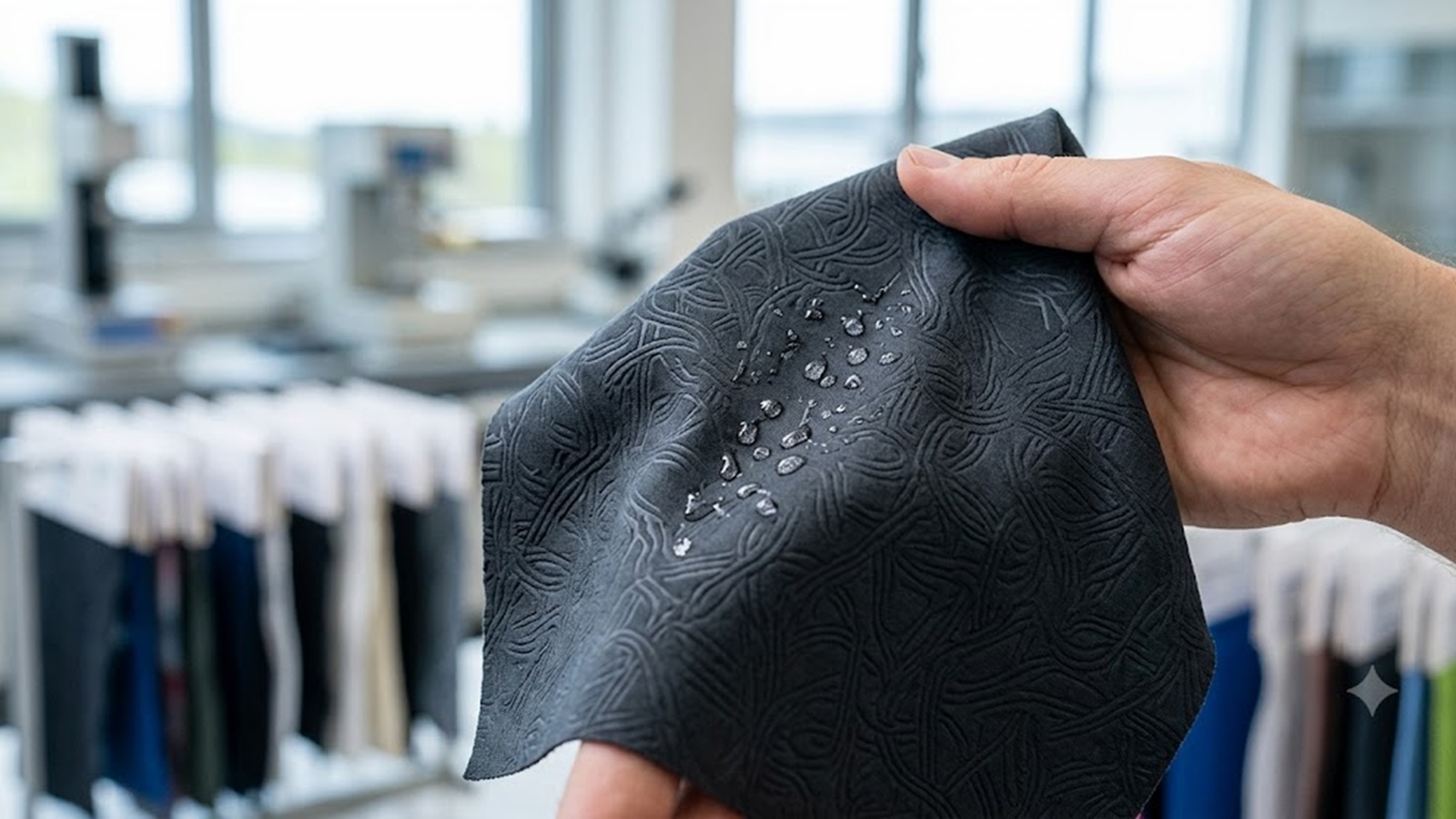
A legal probe into Lululemon has reignited fears over PFAS 'forever chemicals' in gym gear. Experts explain how these substances enter the body and the long-term health risks involved.
- Texas Attorney General Ken Paxton is investigating Lululemon for potential PFAS presence in activewear.
- PFAS are synthetic chemicals used for water and stain resistance that persist in the human body.
- Prolonged exposure is linked to immune system disruption and hormonal imbalances.
Leading athletic apparel giant Lululemon has come under intense scrutiny following reports of potential "forever chemicals" in its product line. Texas Attorney General Ken Paxton has officially launched an investigation to determine if the brand's gear contains PFAS (per- and polyfluoroalkyl substances). The probe will scrutinize the company’s Restricted Substances List, supply-chain protocols, and testing mechanisms to verify compliance with safety claims.
In its defense, Lululemon has denied the current use of these substances, asserting that it phased out PFAS in fiscal 2023. The company noted that these chemicals were previously limited to a small fraction of its water-repellent product range.
Understanding PFAS: The 'Forever' Threat
PFAS are synthetic chemicals engineered to repel water, grease, and stains, making them ideal for high-performance sportswear and non-stick cookware. However, their chemical structure makes them nearly indestructible in the environment and the human body, earning them the moniker "forever chemicals."
BozokMedia analysis shows that this is not merely a legal dispute but a systemic issue within the textile industry. Activewear is uniquely risky because it is worn during high-intensity exercise; when the body sweats and pores open, the skin-to-fabric interface becomes a potential gateway for chemical absorption. This highlights a critical need for mandatory transparency in garment chemistry.
"Prolonged exposure to certain PFAS has been associated with effects on the immune system, metabolism and hormonal functions, though risk depends on dosage and duration." - Dr. Amit Saraf, Jupiter Hospital.
The Science of Absorption
While skin contact does not automatically guarantee toxic absorption, the risk profile changes during physical activity. Dr. Aarti Ullal emphasizes that for regular gym-goers, the combination of sweat and prolonged contact increases the likelihood of exposure. This makes the transparency of chemical treatments a non-negotiable requirement for health-conscious consumers.
| Feature | PFAS-Treated Gear | PFAS-Free Gear |
|---|---|---|
| Performance | Superior water/stain resistance | Standard moisture-wicking |
| Health Profile | Potential endocrine disruptor | Biocompatible/Safe |
| Eco-Impact | Persistent environmental pollutant | Lower ecological footprint |
Experts suggest that consumers should prioritize brands that provide credible third-party certifications for chemical safety rather than relying solely on vague marketing terms like "eco-friendly."
Frequently Asked Questions
Q1: Does wearing PFAS-containing clothes mean I will get sick?
Not necessarily. Health impacts depend on the specific chemical, the amount, and the duration of exposure. However, minimizing exposure is recommended.
Q2: How can I identify PFAS-free sportswear?
Look for certifications like OEKO-TEX or brands that explicitly list their chemical restrictions and supply chain transparency reports.