A blood pressure reading of 137/86 may seem alarming, but does it confirm hypertension? Discover why a single reading isn't a diagnosis and when to seek medical help.
- A reading of 137/86 falls into Stage 1 Hypertension, but a single snapshot is not a diagnosis.
- A pulse rate of 70 bpm is well within the normal resting range.
- Factors like stress, caffeine, and poor sleep can cause temporary BP spikes.
- Proper posture and resting before measurement are critical for accuracy.
Finding a blood pressure reading slightly above the 'normal' range can lead to unnecessary anxiety. If your monitor shows 137/86 mmHg with a pulse of 70, you are not in the ideal zone, but this does not automatically mean you suffer from chronic hypertension.
Dr. Aseem Dhall, Director & HOD of Cardiac Sciences at ISIC Multispeciality Hospital, clarifies the mechanics of these numbers. The systolic pressure (137) represents the force when the heart pumps blood, while the diastolic pressure (86) measures the pressure when the heart rests between beats.
Why This Matters
BozokMedia analysis shows a growing trend of 'self-diagnosis' via home monitors. While these devices are useful, they lack the clinical context. Under current American guidelines, 137/86 is categorized as Stage 1 hypertension. However, medical professionals prioritize long-term patterns over isolated readings to avoid over-medication.
"Medication is not decided from one reading alone; doctors consider the average blood pressure along with age, medical history and overall cardiovascular risk."
Numerous external variables can inflate a reading. Stress, anxiety, recent physical exertion, caffeine intake, and nicotine use are common culprits. Even the way you sit—such as crossing your legs or talking during the test—can skew the results upward.
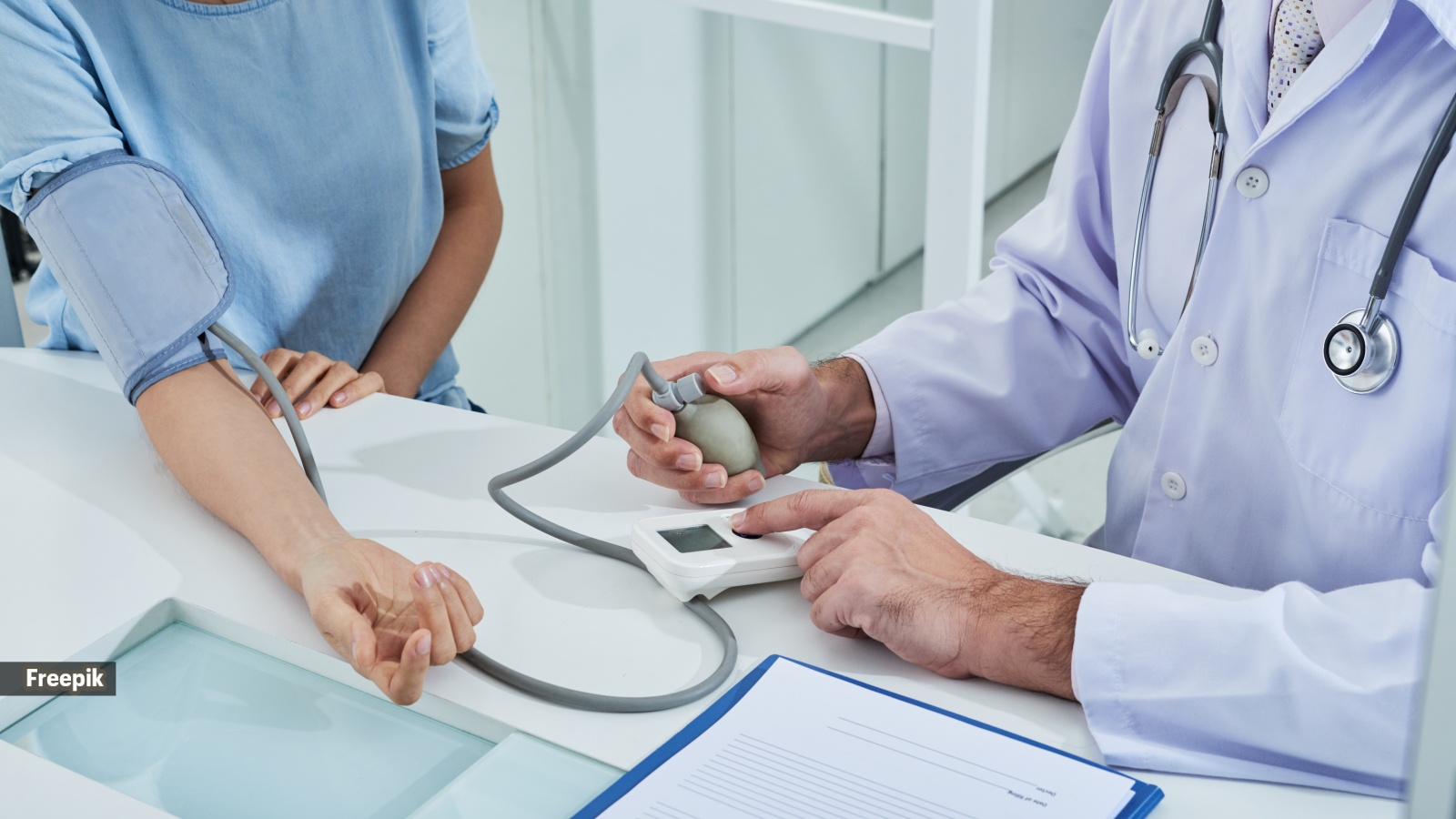
To ensure accuracy, Dr. Dhall recommends sitting quietly for several minutes, keeping your back supported, feet flat on the floor, and the arm resting at heart level before initiating the measurement.
| Category | Systolic (Upper) | Diastolic (Lower) |
|---|---|---|
| Normal (Ideal) | < 120 | < 80 |
| Stage 1 Hypertension | 130-139 | 80-89 |
| High Risk (Medical Attention) | > 140 | > 90 |
Frequently Asked Questions
Q1: Is a pulse of 70 beats per minute normal?
Yes, a resting heart rate between 60 and 100 bpm is generally considered normal for adults.
Q2: When should I consult a doctor?
Consult a physician if readings are consistently 140/90 mmHg or higher in a clinic, or 135/85 mmHg or higher at home.