A dangerous serotype of Foot-and-Mouth Disease, SAT-1, has reappeared across Europe, Asia, and the Middle East after 60 years. Experts warn of its rapid spread through livestock trade and the urgent need for serotype-specific vaccinations.
- SAT-1 FMD serotype detected in Europe, Middle East, and Asia after a 60-year hiatus.
- The virus affects cloven-hoofed animals, causing blisters, lameness, and severe milk production drops.
- Spread is driven by livestock trade and contaminated equipment, not just direct animal contact.
- Standard FMD vaccines may not work if they aren't specific to the SAT-1 serotype.
The global veterinary community is on high alert as the SAT-1 serotype of Foot-and-Mouth Disease (FMD) has made a dramatic return. First identified in 1948 and historically confined to Southern Africa, this specific strain is now appearing in regions where it hasn't been seen since the 1960s and 70s, and in some cases, where it has never been detected at all.
According to reports from the World Organisation for Animal Health (WOAH), the resurgence began in 2025 with cases in Iraq, Kuwait, Egypt, and Azerbaijan. By 2026, the alarm grew as Israel, Cyprus, Palestine, China, and Mongolia reported their first-ever occurrences, while Türkiye, Lebanon, and Greece saw the virus return after six decades of absence.
Why This Matters
BozokMedia analysis shows that the emergence of SAT-1 is not merely a local health issue but a systemic threat to global food security. Because FMD immunity is serotype-specific, livestock vaccinated against common strains may still be susceptible to SAT-1. This creates a "immunity gap" that could lead to massive livestock losses and economic instability in the agricultural sector.
The virus is notoriously contagious. It spreads not only through direct contact but via contaminated footwear, vehicles, and animal products. Dr. Sagar Patange, Head Veterinarian at Karma Foundation, emphasizes that the movement of livestock and international trade are primary catalysts for this geographical expansion.
"Once the virus enters a susceptible livestock population, it can spread rapidly, particularly where animals are kept in close proximity."
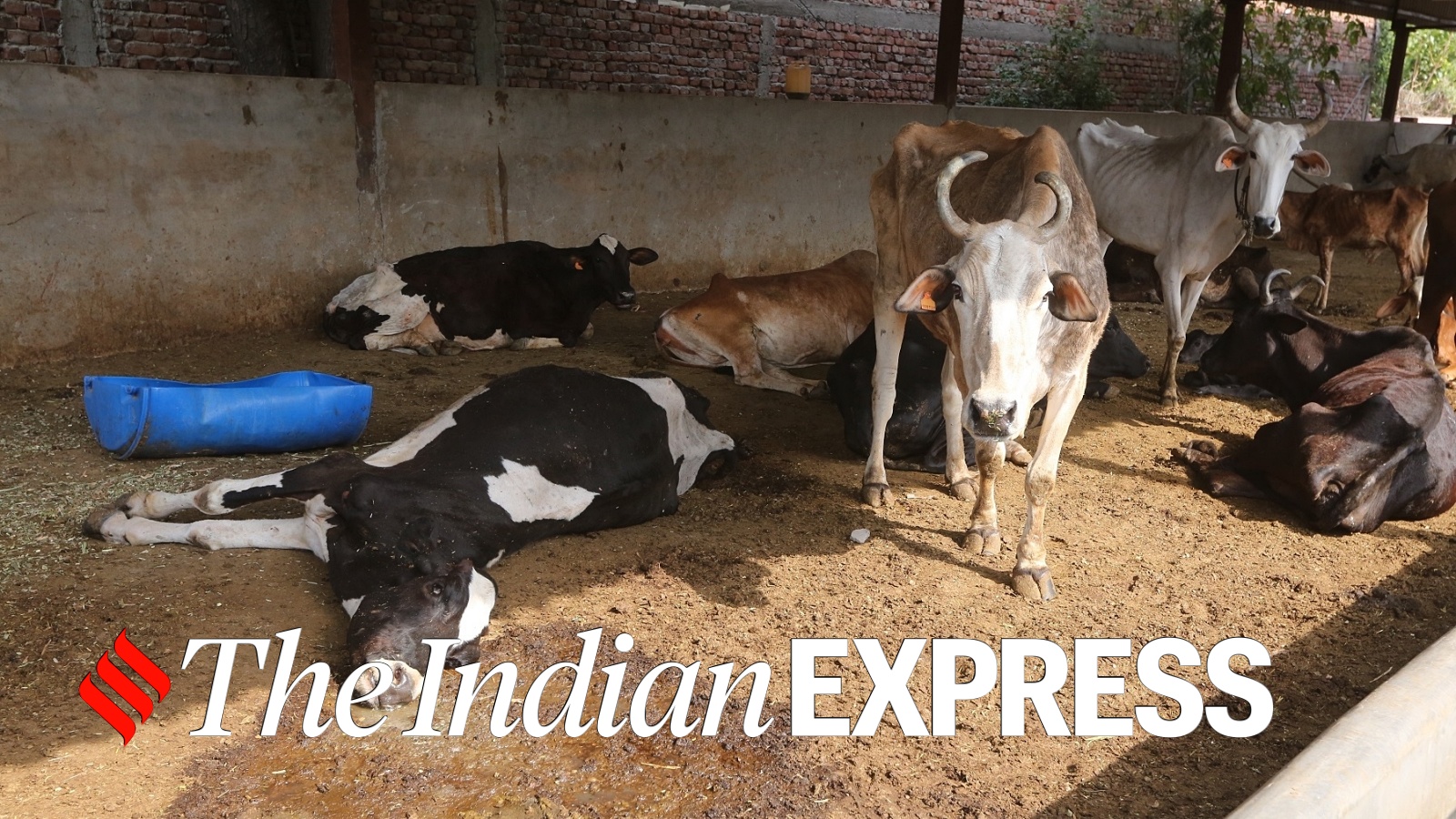
For farmers, the symptoms are devastating. Infected cattle and buffaloes suffer from high fever, excessive drooling, and fluid-filled blisters on the tongue and feet. This leads to lameness and a sudden, sharp decline in milk production. While adult animals often recover, young livestock are at high risk of death due to Myocarditis (inflammation of the heart muscle).
Historical Background
FMD has been a scourge for centuries, but the SAT (South African Territories) group of serotypes remained largely isolated in Africa for decades. The previous incursions into Europe and the Middle East in the mid-20th century were contained through strict quarantine and early vaccination. The current outbreak suggests a shift in viral movement patterns, potentially linked to increased global trade and changing environmental factors.
| Feature | Standard FMD Strains | SAT-1 Serotype |
|---|---|---|
| Primary Region | Global / Various | Historically Southern Africa |
| Immunity | General FMD Vaccines | Requires SAT-1 Specific Vaccine |
| Contagion Level | Very High | Extremely High / Rapid Spread |
Frequently Asked Questions
Q1: Can my current FMD vaccine protect against SAT-1?
Not necessarily. Immunity is serotype-specific; you must ensure your vaccine covers the SAT-1 strain specifically.
Q2: How can I prevent the virus from entering my farm?
Implement strict biosecurity: disinfect all vehicles and footwear, and quarantine any new animals for a period of observation.