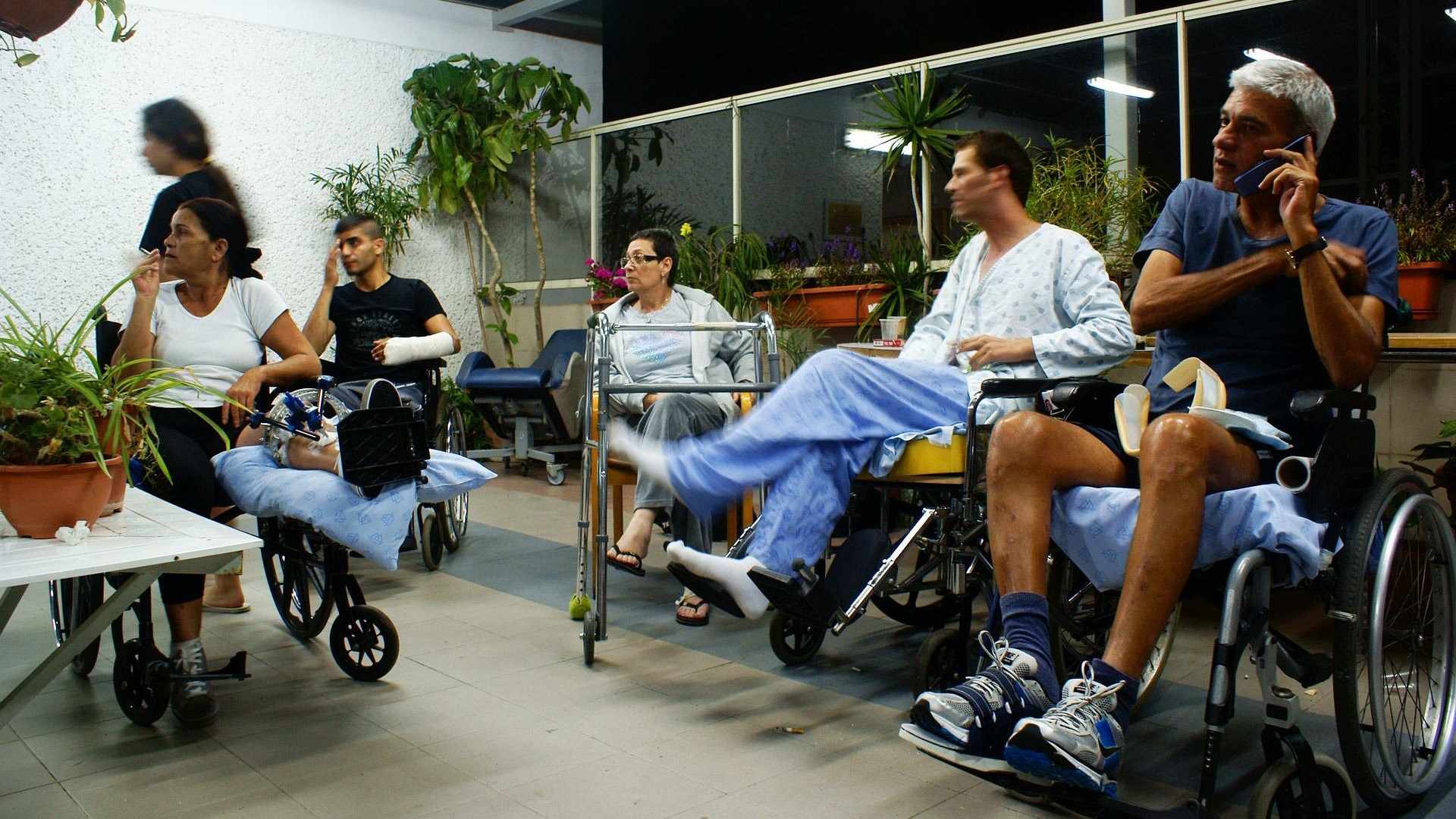
World Physiotherapy Day highlights the transformative role of digital care in making rehabilitation more accessible. From AI-driven monitoring to tele-physiotherapy, the focus has shifted toward inclusive and remote recovery solutions.
- Digital care is bridging the gap in rehabilitation accessibility.
- Emphasis on 'Healthy Ageing' to combat age-related mobility issues.
- Major institutions like PGIMER and Manipal Hospital are leading the awareness drive.
World Physiotherapy Day serves as a global reminder of the critical role movement plays in overall health. This year, the discourse has shifted heavily toward the integration of digital care, which is dismantling the physical barriers that once hindered patient recovery. By leveraging telemedicine and remote monitoring, physiotherapy is evolving from a clinic-centric model to a patient-centric one.
Leading healthcare providers, including Manipal Hospital Bhubaneswar and PGIMER, have marked the occasion by focusing on the intersection of technology and geriatric care. With the global rise in the aging population, 'Healthy Ageing' has become a priority. Physiotherapy is no longer just about treating an injury; it is about maintaining independence and quality of life in the twilight years of existence.
Why This Matters
BozokMedia analysis shows that the shift toward digital rehabilitation is a strategic response to the global shortage of specialized therapists. By utilizing asynchronous care and AI-guided exercise platforms, healthcare systems can manage more patients without compromising the quality of care. This scalability is essential for achieving universal health coverage in developing nations.
"The digitization of physiotherapy is not replacing the human touch, but enhancing it by providing data-driven precision to every movement."
Historically, physiotherapy was viewed as a reactive measure—something one did after a surgery or a sports injury. Today, it is being rebranded as a proactive tool for wellness. The introduction of wearable sensors and bio-feedback mechanisms allows therapists to correct a patient's form in real-time from hundreds of miles away, significantly reducing the risk of re-injury.
| Feature | Traditional Physiotherapy | Digital Physiotherapy |
|---|---|---|
| Accessibility | Limited to clinic visits | Available remotely/anywhere |
| Monitoring | Periodic check-ups | Continuous data tracking |
| Cost/Time | High travel & waiting time | Optimized and cost-effective |
Frequently Asked Questions
1. Is digital physiotherapy as effective as in-person therapy?
Yes, when guided by a licensed professional and supported by proper digital tools, it offers comparable outcomes for many conditions.
2. How does physiotherapy help in healthy ageing?
It improves balance, increases joint flexibility, and reduces the risk of falls, ensuring seniors remain mobile and independent.