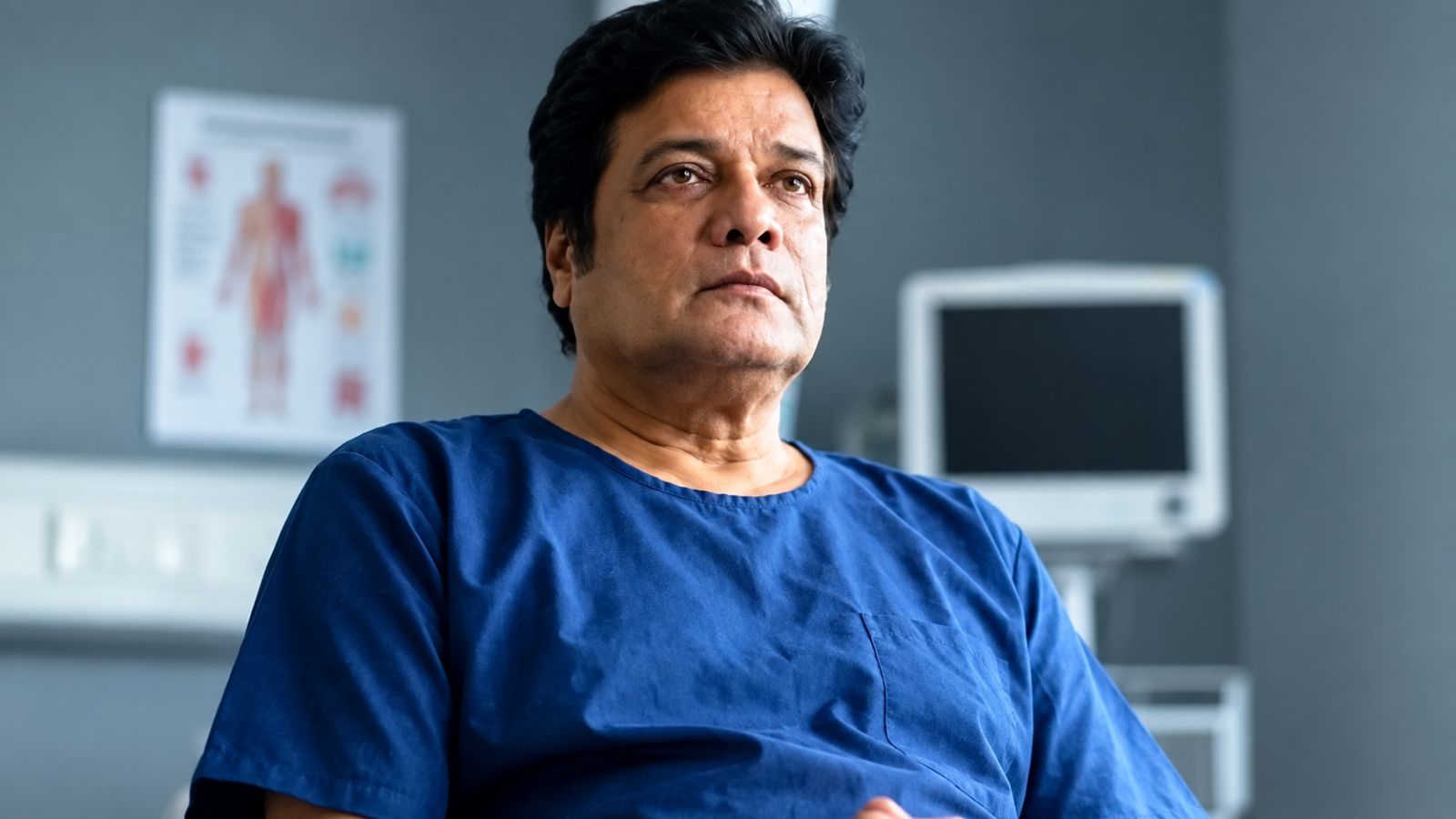
After years of relentless overwork and ignoring health warning signs, a Bengaluru-based entrepreneur spent four months in the ICU. His harrowing journey highlights the dangerous cost of 'hustle culture' and the biological necessity of rest.
- Relentless overwork can lead to systemic organ failure and critical ICU admissions.
- The body recovers and grows stronger during rest, not during the period of exertion.
- Chronic stress triggers hypertension, cardiovascular risks, and weakened immunity.
- Planned pauses are essential to prevent a 'forced shutdown' of the body.
Sivaram Briyas, a seasoned entrepreneur from Bengaluru with decades of experience in the food industry, recently shared a sobering account of his health collapse on LinkedIn. For years, Briyas operated under the common entrepreneurial delusion that 'off days' were for the weak and that constant availability was the only path to success. This mindset eventually led him to a catastrophic health crisis that left him confined to an Intensive Care Unit (ICU) for four grueling months.
Reflecting on his experience, Briyas noted that his Sundays had essentially become 'slower Mondays,' where work calls and factory visits consumed his personal time. He admitted to being physically present with his family while his mind remained trapped in inventory numbers and business metrics. This state of constant cognitive load and physical exhaustion culminated in a medical emergency that forced him to stop everything.
Why This Matters
BozokMedia analysis shows that the 'glorification of the grind' is creating a silent health epidemic among urban professionals and startup founders. The psychological pressure to be 'always on' disrupts the body's circadian rhythm and suppresses the parasympathetic nervous system, which is responsible for 'rest and digest' functions. When the body is denied this recovery phase, it doesn't just tire—it breaks.
The body doesn’t grow stronger during effort; it grows stronger during rest. The surgery is the damage; the healing happens in the sleeping, the eating, and the waiting.
Medical experts, including Dr. Manjusha Agarwal and Dr. Amit Saraf, warn that prolonged stress keeps the body in a state of hyper-alertness. This chronic activation of the stress response leads to elevated cortisol levels, which can trigger hypertension, diabetes, and severe cardiovascular events. According to Dr. Saraf, many individuals mistake these early warning signs—such as irritability, poor sleep, and frequent headaches—as mere 'exhaustion' rather than systemic failure.
The transition from chronic stress to an ICU stay usually occurs when stress exacerbates an underlying condition or triggers an acute event like a stroke or heart attack. Experts emphasize that symptoms like chest pain, sudden weakness, or persistent palpitations should never be ignored. The danger lies in the fact that a person may have managed a high-stress routine for years, leading them to believe their body is coping, even as internal damage accumulates.
To avoid such a fate, doctors recommend a shift toward 'planned pauses.' This includes maintaining a strict 7–9 hour sleep cycle, incorporating screen-free time, and engaging in physical activity. Briyas now advocates for protecting his Sundays, not as a reward for work, but as a fundamental requirement for the work to actually be completed effectively.
Comparison: Hustle Mindset vs. Sustainable Performance
| Feature | Hustle Culture (High Risk) | Sustainable Performance (Low Risk) |
|---|---|---|
| Approach to Rest | Seen as a luxury or weakness | Seen as a biological necessity |
| Work-Life Boundary | Blurred; 'Always On' | Defined; 'Planned Pauses' |
| Health Indicator | Ignored until crisis | Proactive monitoring of symptoms |
| Cognitive Output | Diminishing returns/Burnout | High creativity and clarity |
Frequently Asked Questions
Q1: Can chronic stress really lead to ICU admission?
Yes, prolonged stress can trigger acute cardiac events, strokes, or severe metabolic disturbances (like diabetic ketoacidosis) that require intensive care.
Q2: How do I know if I am overworking or just tired?
If tiredness persists despite adequate sleep, or if you experience recurring acidity, high blood pressure, and irritability, it is a sign that your body is demanding a slowdown.