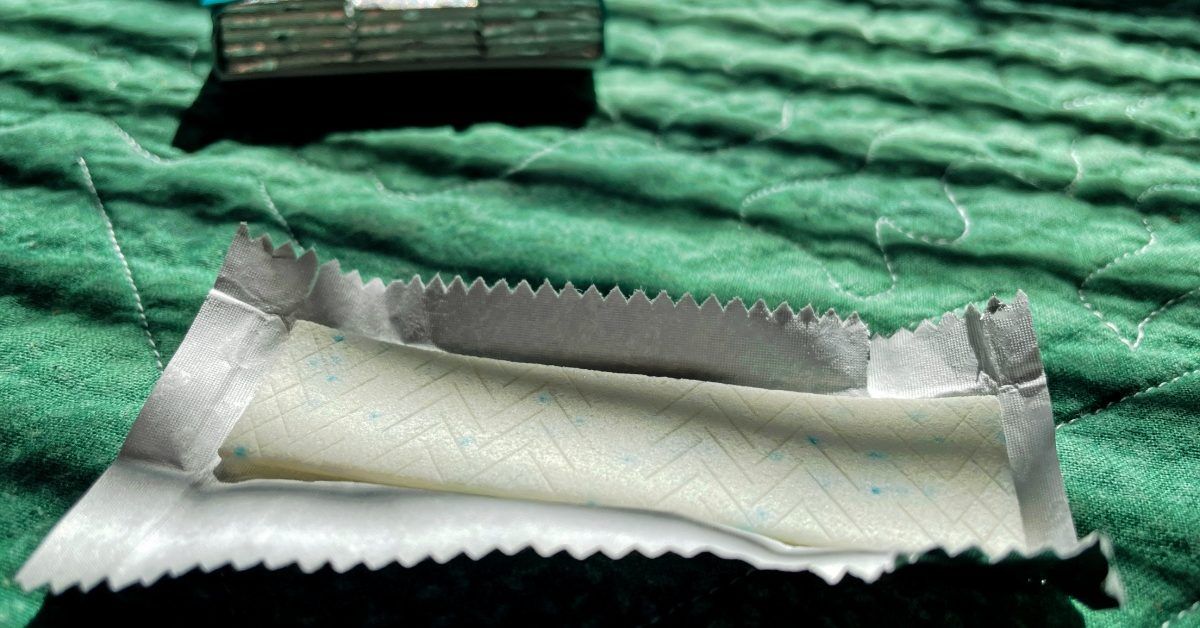
A groundbreaking study presented at the European Society of Cardiology Congress reveals a dangerous link between Xylitol—a common sweetener in sugar-free gums and toothpaste—and a significant rise in cardiovascular events.
- Xylitol levels in blood are associated with a higher risk of heart attack, stroke, and cardiovascular death.
- One study cohort showed a staggering 57% increase in major adverse cardiovascular events (MACE) for high-xylitol users.
- The sweetener may enhance platelet clotting, potentially triggering blockages in the bloodstream.
Xylitol, a sugar alcohol widely used in processed foods, sugar-free chewing gums, and oral care products, has long been marketed as a healthy, low-calorie alternative to sugar. However, new research presented at the European Society of Cardiology Congress 2026 has cast a shadow over its safety profile, suggesting a dose-dependent relationship between the sweetener and life-threatening cardiovascular events.
The research, led by Dr. Marco Witkowski from Charité University Hospital in Berlin, utilized data from two massive observational studies: the Canadian Longitudinal Study on Aging (CLSA) and the European Prospective Investigation into Cancer (EPIC)-Norfolk. Spanning a total of 17,710 participants with an average age of 60.9 years, the study tracked health outcomes over periods ranging from 6 to 30 years.
The Correlation Between Xylitol and Heart Health
The findings were stark. In the CLSA cohort, individuals with the highest blood plasma levels of xylitol faced a 57% higher risk of major adverse cardiovascular events (MACE) compared to those with the lowest levels. Even in the long-term EPIC-Norfolk study, which followed participants for three decades, the high-xylitol group showed an 18% increased risk. Crucially, these results remained consistent even after adjusting for traditional risk factors like smoking, diabetes, and hypertension.
"A growing body of research suggests sugar alcohols like xylitol and erythritol may not be a simple substitute for sugar to avoid calories; they can enhance risk for clotting events like heart attack or stroke." - Dr. Stanley Hazen, Cleveland Clinic.
Why This Matters
BozokMedia analysis shows that this discovery challenges the current regulatory consensus on non-nutritive sweeteners. While authorities have historically rated these substances as safe, the biological mechanism—specifically the enhancement of platelet clotting—suggests that Xylitol may actively contribute to thrombosis. As the food industry continues to replace sugar with sugar alcohols to meet "sugar-free" demands, the general population may be inadvertently increasing their cardiovascular vulnerability.
The study emphasizes that the risk is not limited to those already suffering from heart disease, but extends to the general population. This suggests a systemic risk associated with the chronic consumption of processed "healthy" alternatives.
| Study Cohort | Duration | Increased MACE Risk (Highest Xylitol Group) |
|---|---|---|
| CLSA (Canada) | 6 Years | 57% |
| EPIC-Norfolk (Europe) | 30 Years | 18% |
Frequently Asked Questions
1. Is Xylitol safe for people with diabetes?
While it doesn't spike blood sugar like sucrose, cardiologists now suggest choosing naturally sweet whole fruits over artificial sweeteners due to the potential cardiovascular risks.
2. Should I stop using sugar-free gum immediately?
Experts recommend those with existing heart conditions or high-risk factors limit their intake and consult a physician regarding non-nutritive sweeteners.