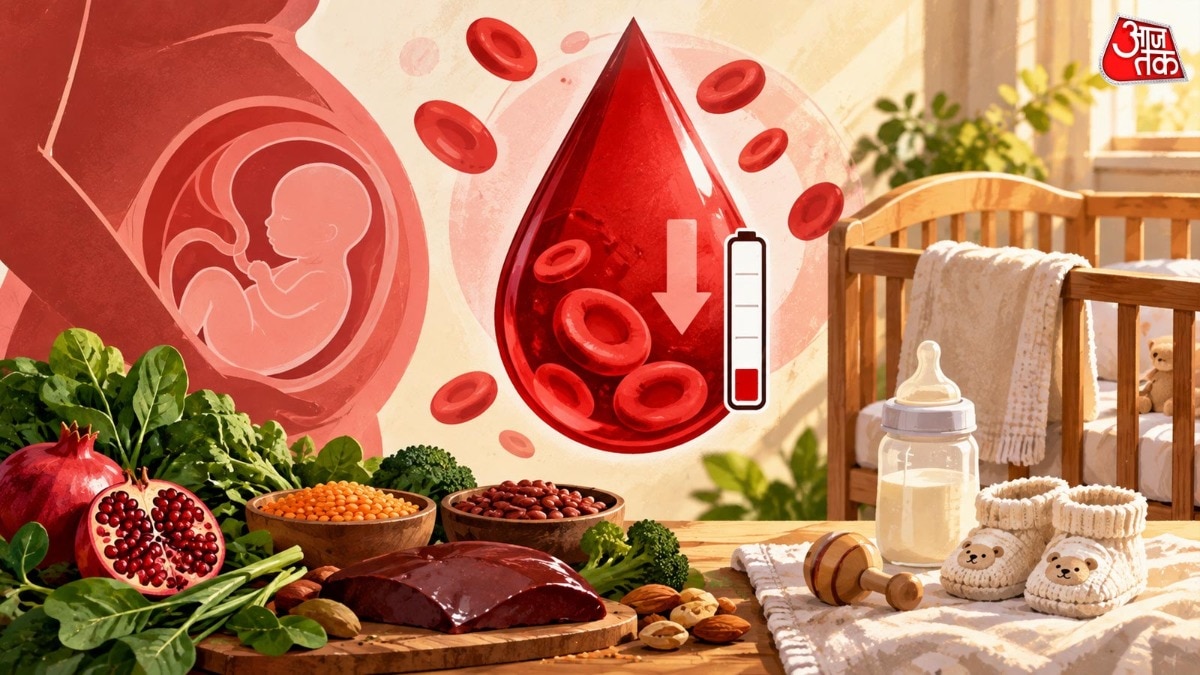
A groundbreaking study by King's College London and the University of Cape Town reveals that anemia during pregnancy can lead to a reduction in the baby's brain size, affecting learning and emotional centers.
- Babies born to mothers with anemia showed an average 4% reduction in total brain volume.
- Brain regions responsible for learning and emotional regulation are specifically affected.
- Even 'mild' anemia poses a risk, not just severe cases.
- Iron-rich diets and early diagnosis are critical for preventing these developmental issues.
Maternal health is the cornerstone of fetal development. A recent comprehensive study conducted by scientists at King's College London and the University of Cape Town has shed light on a critical risk factor: pregnancy-induced anemia. The research indicates that a deficiency in hemoglobin during pregnancy can lead to a measurable decrease in the size of the offspring's brain.
The study followed more than 300 mothers and their children in Cape Town. Researchers utilized MRI scans to monitor the children's brain development from the age of three months up to three years. The findings revealed that children whose mothers suffered from anemia during pregnancy had a total brain volume that was, on average, 4 percent smaller than those of children born to non-anemic mothers.
Why This Matters
BozokMedia analysis shows that the most alarming aspect of this study is the impact of 'mild' anemia. Traditionally, medical interventions are prioritized for severe cases, but this data suggests that even slight deviations in hemoglobin levels can impede the growth of brain regions dedicated to cognition and emotion. This necessitates a more stringent approach to prenatal nutritional screening globally.
Furthermore, the study found that this difference in brain size did not diminish as the children grew. Scans conducted after the age of three showed that the brain volume remained smaller than average, suggesting that the prenatal oxygen deficit may have permanent structural implications.
"Hemoglobin is the primary vehicle for oxygen delivery; when levels drop, the fetal brain—the most oxygen-hungry organ—is the first to suffer developmental setbacks."
The biological mechanism is straightforward: anemia reduces the blood's capacity to carry oxygen. Since the fetus relies entirely on the mother and the placenta for oxygen and nutrients, any systemic deficiency in the mother limits the oxygen supply to the developing fetal brain, hindering cellular growth and connectivity.
| Aspect | Anemia Indicators | Preventative Measures |
|---|---|---|
| Physical Signs | Fatigue, shortness of breath, pale skin | Consumption of spinach, lentils, and beans |
| Nutritional Fix | Lack of Iron and B12 | Vitamin C (Citrus fruits) to aid absorption |
Frequently Asked Questions
Q1: Does this mean every baby born to an anemic mother will have brain issues?
No, the study shows an average trend. It does not guarantee a deficit in every individual case, but it highlights a significant statistical risk.
Q2: How can pregnant women prevent anemia?
By maintaining a diet rich in iron (leafy greens, red meat, eggs) and taking prescribed iron supplements under medical supervision.