A groundbreaking study in The Lancet Public Health reveals that 444 million people in India are exposed to second-hand smoke, contributing to over 3 lakh deaths in 2023. The report highlights a surging trend of lung cancer among non-smoking youth.
- 444 million Indians are exposed to second-hand smoke annually.
- Deaths attributable to passive smoking in India have surged by 50% since 1990.
- Nearly half of lung cancer cases in some Indian clinics are now diagnosed in non-smokers.
- Women and children are disproportionately affected by environmental tobacco smoke.
A critical study published in The Lancet Public Health has sounded an alarm regarding the global burden of second-hand smoke. In 2023, an estimated 2.71 billion people worldwide—including 767 million children—were exposed to passive smoking. The data is particularly grim for Asia, with China, India, and Indonesia accounting for nearly half of the world's exposed population.
The clinical reality is mirroring these statistics. At Dr. Arvind Kumar’s Institute of Chest Surgery at Medanta Hospital in Gurugram, Dr. Kumar notes a disturbing trend: one in ten lung cancer patients is now in their 30s, and roughly half of these young patients have never smoked a day in their lives. This underscores the lethal nature of environmental tobacco smoke.
Why This Matters
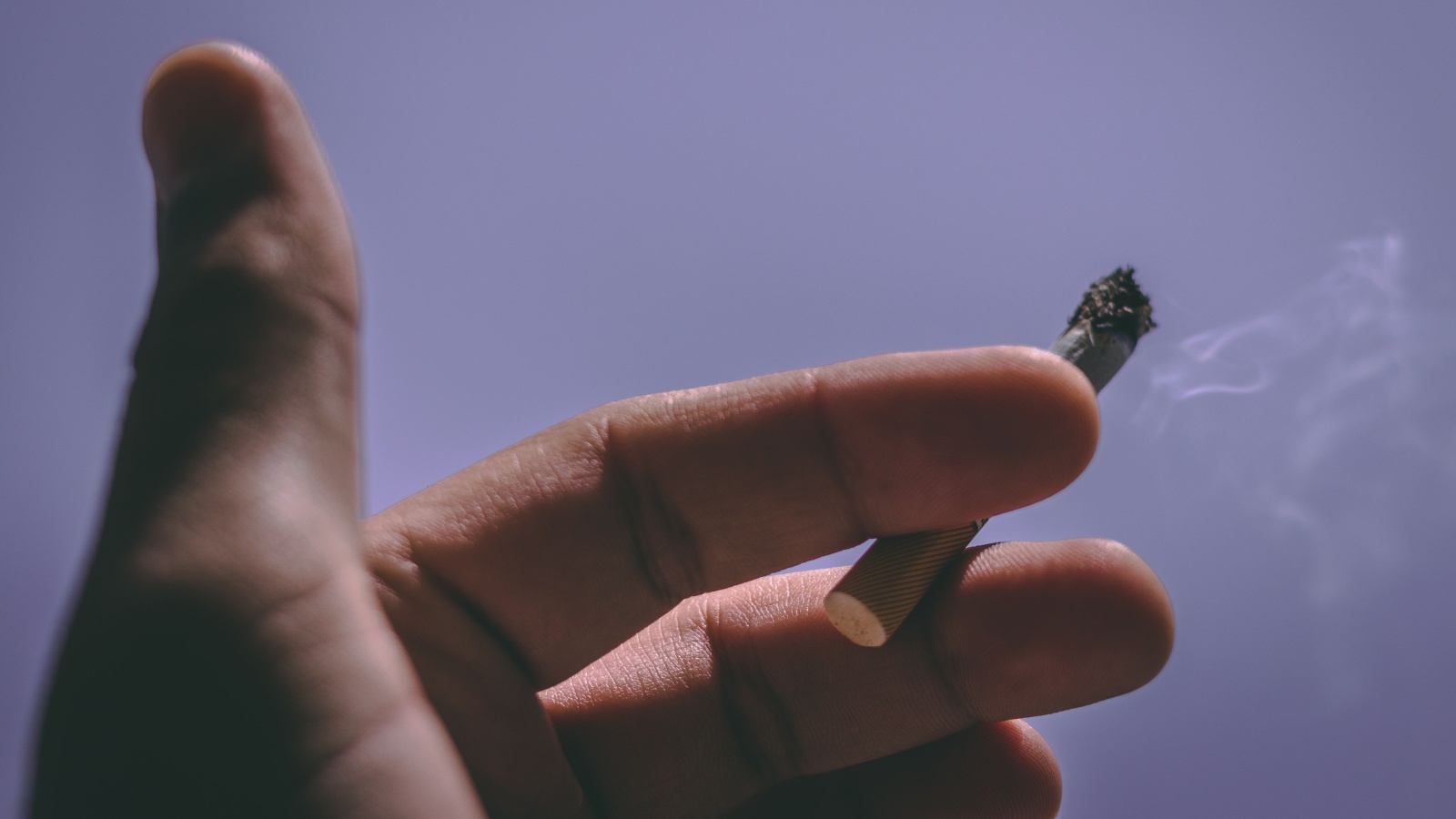
BozokMedia analysis shows that second-hand smoke is often misunderstood as a 'diluted' version of active smoking. In reality, it is a potent cocktail of side-stream smoke (from the burning end) and mainstream smoke (exhaled by the smoker). This mixture triggers oxidative stress and inflammation, damaging the endothelium of blood vessels and increasing the risk of systemic failure.
"Being a non-smoker does not mean being protected from the health effects of tobacco if smoke is present in the environment."
The health burden is not limited to the lungs. Ischaemic heart disease was identified as the largest contributor to the health burden, accounting for 12 million disability-adjusted life years (DALYs) globally. The study tracked nine outcomes, including Type 2 diabetes, COPD, and asthma, proving that passive smoking is a multi-organ threat.
| Country | Exposed Population (2023) | Primary Health Impact |
|---|---|---|
| China | 664 Million | Cardiovascular & Cancers |
| India | 444 Million | Lung Cancer & Respiratory Infections |
| Indonesia | 142 Million | COPD & Heart Disease |
Gender and age disparities are stark. In Southeast Asia and Oceania, women are 59% more likely to be exposed than men. Children are even more vulnerable due to their developing immune systems and higher breathing rates relative to their body mass, making them prone to severe lower respiratory infections.
Frequently Asked Questions
Q1: What exactly is second-hand smoke?
A: It is a combination of the smoke from the burning end of a cigarette and the smoke exhaled by the smoker.
Q2: Can children develop chronic illnesses from passive smoking?
A: Yes, children exposed to second-hand smoke have a significantly higher risk of asthma, lower respiratory infections, and impaired lung development.