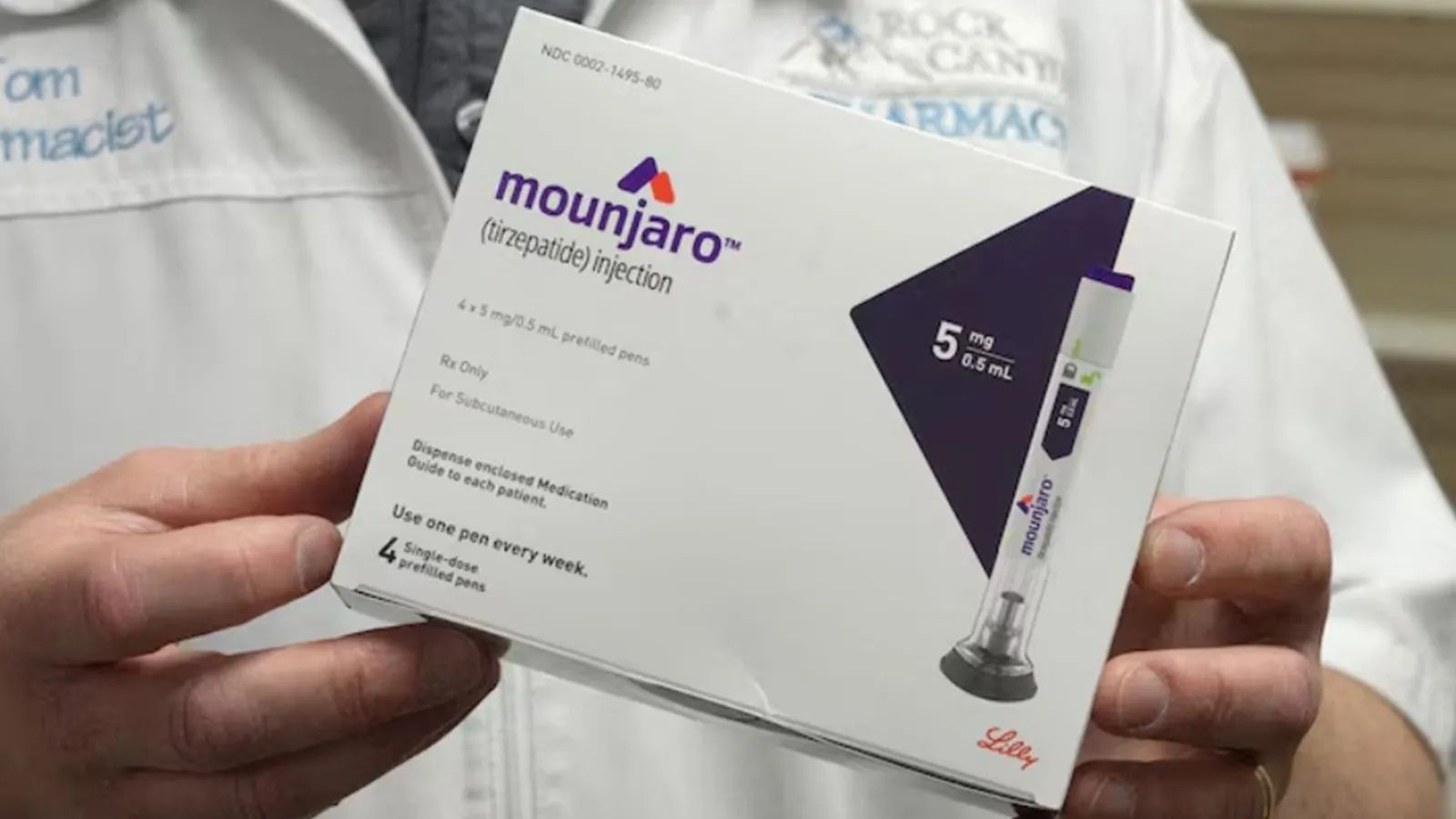
Early results from Novo Nordisk's STEP Young trial indicate that weekly semaglutide injections, combined with lifestyle changes, helped 40% of children with obesity exit the obesity classification after 68 weeks.
- 40% of children treated with semaglutide moved below the obesity threshold after 68 weeks.
- The treatment was integrated with a calorie-reduced diet and increased physical activity.
- Zero children in the placebo group achieved the same outcome.
- The study targeted children aged 6 to under 12 with severe obesity.
Childhood obesity has become a global health crisis, often acting as a precursor to lifelong chronic illnesses. In a significant medical development, early results from the STEP Young phase 3 clinical trial, conducted by Novo Nordisk, have shown that weekly injections of semaglutide can drastically alter the health trajectory of affected children. Approximately 40% of participants were no longer classified as obese after a 68-week treatment period.
The trial involved 165 children between the ages of six and twelve. A staggering 85% of these participants suffered from Class II or Class III severe obesity. Depending on their initial weight, children were administered a maximum dose of either 1.7 mg or 2.4 mg of semaglutide once a week. Crucially, the medical intervention was not a standalone cure but was coupled with strict lifestyle modifications, including increased physical activity and a calorie-restricted diet.
Why This Matters
BozokMedia analysis shows that the psychological and physiological burden of childhood obesity often makes lifestyle changes alone insufficient. By providing a pharmacological bridge, semaglutide allows children to reach a healthier BMI, reducing the immediate risk of early-onset metabolic disorders. This shifts the paradigm from 'willpower' to 'medical support' for severe cases.
"Childhood obesity is concerning because of its immediate and long-term effects on health, increasing the risk of weight-related problems at an earlier age." - Professor Ania Jastreboff, Yale Obesity Research Centre.
The disparity between the treatment group and the control group highlights the drug's efficacy. The following table summarizes the findings:
| Group | Treatment Method | Success Rate (Below Obesity Threshold) |
|---|---|---|
| Treatment Group | Semaglutide + Lifestyle Changes | ~40% |
| Placebo Group | Lifestyle Changes Only | 0% |
While these early findings are promising, the medical community is awaiting the comprehensive data set. The full results of the STEP Young study are scheduled to be presented at the Obesity Society’s annual meeting in Washington, DC, from November 14 to 17. Preliminary safety reports suggest that the drug's tolerability is consistent with previous trials conducted by the manufacturer.
Frequently Asked Questions
Q1: Were the injections used instead of healthy eating?
No, the injections were used alongside a reduced-calorie diet and increased physical activity to ensure a holistic approach to health.
Q2: Who was eligible for the STEP Young trial?
The trial focused on children aged 6 to under 12 who were living with severe obesity (Class II or III).