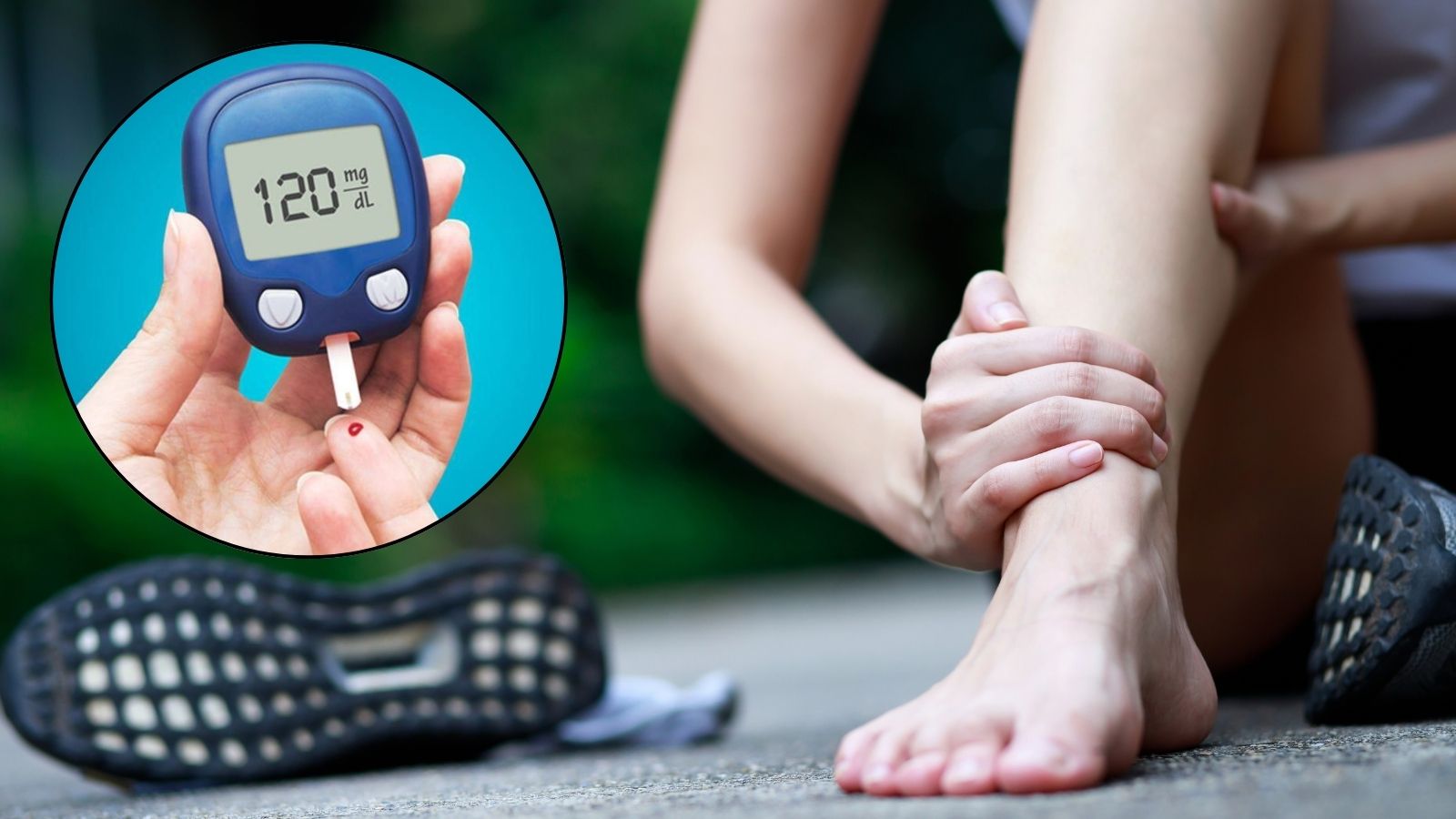
Recurring muscle cramps may be more than just dehydration. Experts reveal how fluctuating blood glucose levels deplete essential minerals and damage nerves, signaling potential metabolic issues.
- Blood sugar fluctuations lead to the rapid loss of sodium, potassium, and magnesium through increased urination.
- Chronic hyperglycemia can cause neuropathy, damaging the nerves that control muscle signaling.
- Persistent nighttime cramps combined with fatigue and excessive thirst warrant immediate medical evaluation.
Muscle cramps are frequently dismissed as the result of dehydration, intense exercise, or simple fatigue. However, when these spasms occur without an obvious trigger, they may be a physiological manifestation of blood sugar dysregulation. Glucose serves as the primary fuel for muscle function, and any instability in its levels can disrupt the delicate balance required for muscles to contract and relax.
The connection between glucose and cramps is rooted in electrolyte balance. When blood sugar levels spike and subsequently crash, the body attempts to flush out excess glucose through increased urination. This process inadvertently drains the body of critical minerals—specifically sodium, potassium, and magnesium—which are essential for smooth muscle operation. Without these, muscles 'misfire,' leading to painful contractions.
Why This Matters
BozokMedia analysis shows that for individuals following diets high in refined carbohydrates (common in many regional diets), sudden glucose spikes can quietly deplete mineral stores meal after meal. This creates a 'layering effect' where dehydration, mineral deficiency, and poor circulation converge, making those with fluctuating glucose levels significantly more prone to intense spasms.
"Think of it like a tandoor losing its steady heat. When the fuel supply becomes erratic, the output becomes unpredictable too." - Kanikka Malhotra, Consultant Dietician.
For those with established diabetes, the risk is compounded by neuropathy. Long-term high glucose levels damage the small nerves that transmit signals to the muscles. Furthermore, chronic hyperglycemia can stiffen blood vessels, reducing oxygen delivery to the muscles during activity and triggering spasms faster than in a healthy individual.
| General Muscle Cramps | Glucose-Related Cramps |
|---|---|
| Triggered by activity or dehydration. | Often occur at night or spontaneously. |
| Relieved by stretching or hydration. | Persistent and linked to metabolic symptoms. |
| Usually temporary and isolated. | May involve neuropathy or poor circulation. |
While cramps are not a definitive diagnostic tool for diabetes, they serve as a critical warning sign when paired with other symptoms. Excessive thirst, slow-healing wounds, tingling in the extremities, and chronic fatigue are red flags. Medical professionals recommend testing for HbA1c and fasting glucose levels if cramps persist for more than two to three weeks and disturb sleep.
Frequently Asked Questions
Q1: Can a single muscle cramp after a workout indicate a blood sugar problem?
A: Unlikely. A single instance after exercise is usually due to fatigue. However, frequent, unexplained cramps—especially at night—are more concerning.
Q2: What tests should I request if I suspect my cramps are linked to glucose?
A: You should consult a doctor for a Fasting Blood Glucose test, an HbA1c test (for 3-month average), and an electrolyte panel.