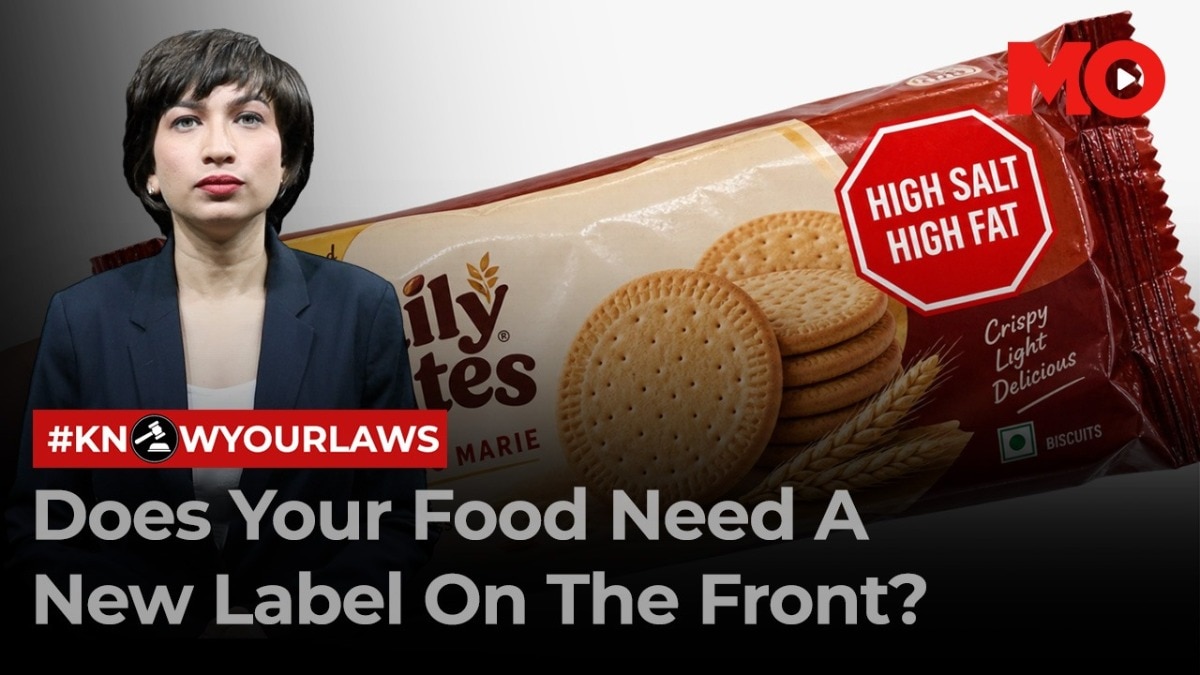
As India's processed food market expands, experts are questioning whether current labeling regulations provide enough transparency for consumer health. A deeper look into the complexities of nutritional information.
- Current food labeling in India lacks sufficient clarity for the average consumer.
- Misleading marketing terms like 'natural' often mask high sugar and salt content.
- There is an urgent call for Front-of-Pack (FOP) labeling systems.
In the bustling aisles of Indian supermarkets, a silent crisis is unfolding. While packaged food products become increasingly convenient, the information provided on their packaging remains alarmingly opaque. The core question remains: Does India need a better label in front of its packaged food products to protect its citizens?
The Transparency Gap in Food Labeling
Despite guidelines set by the Food Safety and Standards Authority of India (FSSAI), there is a significant gap between regulatory compliance and consumer understanding. Many brands utilize fine print and complex scientific jargon to list ingredients, making it difficult for a layperson to decipher the actual nutritional value of what they are consuming.
Why This Matters
BozokMedia analysis shows that the rise in non-communicable diseases (NCDs) in India, such as obesity and hypertension, is closely linked to dietary habits. Inadequate labeling prevents consumers from making informed choices, often leading them toward products that are deceptively marketed as 'healthy' but are loaded with sodium and hidden sugars.
Effective labeling is not just about compliance; it is a critical tool for public health intervention and consumer empowerment.
Global trends suggest that moving toward a 'Traffic Light' labeling system—where green, amber, and red colors indicate nutritional quality—could significantly reduce the consumption of ultra-processed foods.
Historical Background
Food labeling regulations in India have undergone several iterations, moving from basic ingredient lists to more detailed nutritional tables. However, compared to countries like Chile, which implemented mandatory black warning labels for high-sugar foods, India's current framework is still in its nascent stages of consumer protection.
Frequently Asked Questions
1. What is Front-of-Pack (FOP) labeling? It is a simplified way of showing key nutritional information on the front of a package so consumers can decide quickly.
2. Is FSSAI working on new rules? Yes, FSSAI is actively discussing more stringent labeling norms to improve transparency in the food industry.