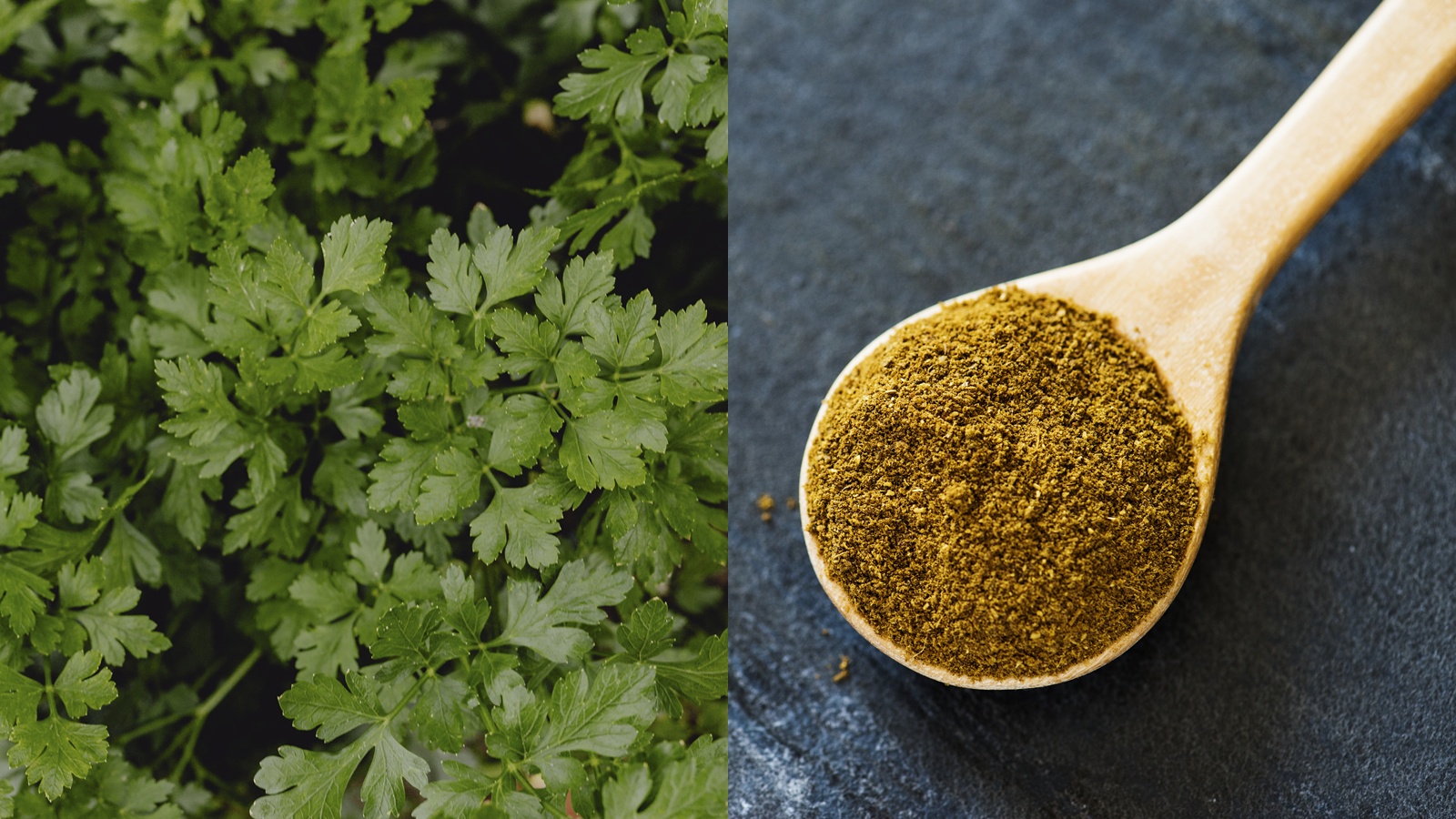
The Food Safety and Standards Authority of India (FSSAI) has ordered the immediate recall of certain coriander powder and carrageenan batches due to contamination with pesticides and cadmium.
- FSSAI ordered immediate market recalls for specific batches of coriander powder and carrageenan.
- Shalimar’s Chef coriander powder failed tests due to excessive pesticide residues.
- Carrageenan samples were found to contain unsafe levels of the heavy metal Cadmium.
The Food Safety and Standards Authority of India (FSSAI) has taken decisive action against two Food Business Operators (FBOs) following rigorous laboratory evaluations. The authority has issued mandatory recall orders for products that were deemed 'unsafe' under the FSS Act, 2006.
Specifically, a regulatory sample of Shalimar’s Chef coriander powder was found to violate the FSS (Food Product Standards and Food Additives) Regulations, 2011. The analysis revealed significant pesticide residues that exceeded the permissible safety thresholds set by the FSS (Contaminants, Toxins and Residues) Regulations, 2022.
Why This Matters
BozokMedia analysis shows that while trace amounts of pesticides are often manageable by the human body, exceeding these limits poses systemic risks. Continuous exposure to high levels of pesticides and heavy metals like Cadmium can lead to chronic damage to the liver, endocrine system, and nervous system.
The danger lies not in a single meal, but in the cumulative effect of repeated exposure to contaminated batches over time.
Understanding the Contaminants
Coriander Contamination: Pesticide residues often enter the supply chain during farming if non-approved chemicals are used or if the crop is processed too soon after spraying. These residues are invisible to the human senses, meaning they do not alter the smell or taste of the powder.
Carrageenan (E407): Derived from red seaweed, carrageenan is a common thickening agent used in dairy products and chocolate drinks. While the additive itself is widely used, the specific batches flagged in this recall were found to contain Cadmium, a toxic heavy metal, in concentrations that failed safety standards.
Historical Background of Food Safety in India
Since the implementation of the Food Safety and Standards Act in 2006, India has moved towards a more centralized and stringent regulatory framework. The FSSAI's role has evolved from simple monitoring to active enforcement, including the FSS (Food Recall Procedure) Regulations, 2017, which mandate that companies must pull unsafe products from shelves immediately upon detection.
Frequently Asked Questions
1. Should I stop consuming all processed foods containing carrageenan?
No. This recall is specific to certain batches that failed testing. Always check FSSAI's official website for the list of specific recalled products.
2. What is the safest way to consume coriander?
Experts suggest buying whole coriander seeds and grinding them fresh at home to ensure zero contamination from industrial processing.