Breaking a long fast with heavy sweets like modaks can lead to dangerous blood sugar spikes. Follow expert gastroenterologist advice to celebrate Ganesh Chaturthi healthily.
- Eating heavy, sugary foods immediately after fasting can cause rapid blood glucose spikes.
- Modaks are fine, but they should be treated as a dessert, not the main meal.
- Incorporate water, protein, and fiber to break your fast gradually.
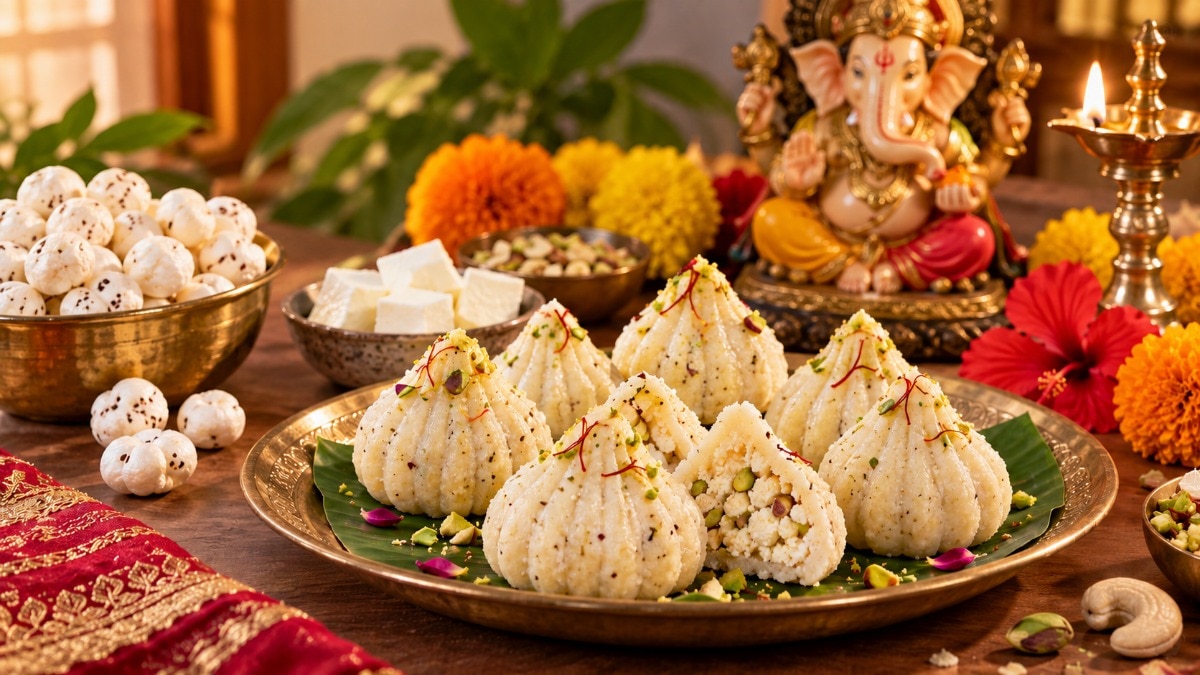
Ganesh Chaturthi is one of India's most vibrant festivals, marked by deep devotion and the tradition of fasting. While many devotees abstain from grains or consume only fruits and milk, the way a fast is broken often dictates one's health for the rest of the day. The common practice involves consuming a feast of fried snacks and modaks—the deity's favorite sweet—immediately after evening prayers.
The Impact of Heavy Meals Post-Fasting
According to Dr. Amit Kumar Sanghi, Senior Consultant in Gastroenterology at Narayana Hospital, Jaipur, the body enters a highly absorptive state after several hours of fasting. If the first meal consists of refined carbohydrates and high sugar content, the body experiences a massive influx of glucose.
Dr. Sanghi explains that this sudden surge triggers a significant insulin release to move glucose from the bloodstream into the cells. This metabolic shock can lead to symptoms like bloating, extreme lethargy, and uncomfortable digestive distress.
Why This Matters
BozokMedia analysis shows that festive dietary patterns often lead to temporary metabolic instability. Understanding the science of nutrient absorption is crucial for maintaining long-term wellness during high-calorie festive seasons.
The issue isn't the modak itself; the issue is the quantity and the timing when consumed on an empty stomach.
The Right Way to Break Your Fast
To ensure your digestive system adjusts smoothly, experts recommend a gradual approach. Instead of reaching for sweets first, follow these nutritional guidelines:
- Rehydration: Start with water to replenish lost fluids.
- Balanced Nutrition: Aim for a mix of carbohydrates, protein, and fiber.
- Recommended Foods: Curd or yogurt, fresh fruits, vegetables, legumes (like moong or chana), paneer, and nuts.
Fiber and protein are essential as they slow down the absorption of carbohydrates, ensuring a steady release of energy rather than a sudden spike and crash.
| Meal Component | Post-Fast Mistake (Avoid) | Healthy Approach (Do) |
|---|---|---|
| Sweet Intake | Multiple Modaks at once | One or two modaks as dessert |
| Carbohydrate Type | Refined flour/Fried foods | Complex carbs/Fruits/Vegetables |
| Nutrient Mix | Sugar-heavy | Protein and Fiber rich |
Who Should Exercise Caution?
Religious fasting is not a one-size-fits-all practice. Individuals with diabetes must be extremely vigilant, as they face the dual risk of hypoglycemia during the fast and hyperglycemia after eating. Similarly, pregnant women, the elderly, and those with underlying medical conditions should consult a physician before undertaking strict fasting regimens.
Frequently Asked Questions
1. Is it okay to eat modaks during Ganesh Chaturthi?
Yes, modaks are a part of tradition, but they should be eaten in moderation as part of a balanced meal.
2. What is the best food to eat first after a fast?
Light, hydrating foods like water, coconut water, or yogurt are ideal to prime your digestive system.