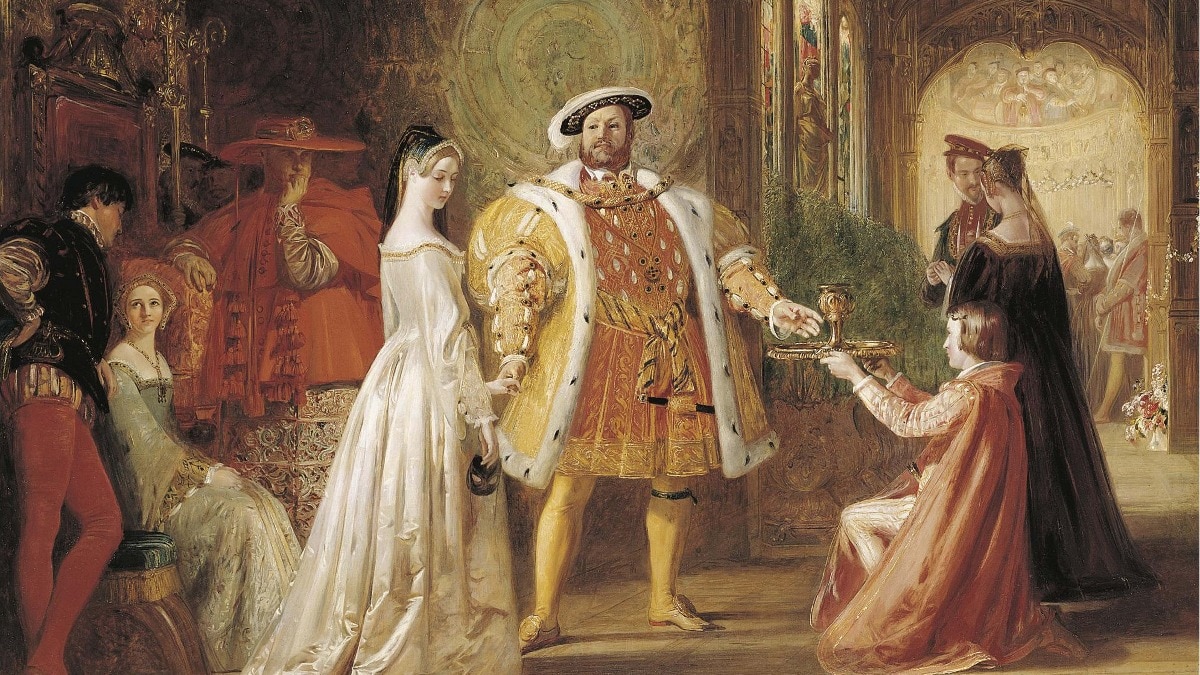
In Tudor England, political influence was forged not in Parliament but in the king’s most private chambers. Henry VIII’s attendants who changed his underwear became the ultimate gatekeepers of power, shaping court politics from the inside out.
During the Tudor era, the path to power in England bypassed parliamentary debate and ran straight through the intimate spaces of the royal household. For King Henry VIII, the act of changing his undergarments, assisting his bath, and escorting him to the privy was far more than a menial chore—it was a strategic stepping‑stone to the highest echelons of court influence. Modern historians are still unraveling how this seemingly trivial service became a cornerstone of political authority.
The First Foot in the Royal Court
According to scholars such as Dr. Edward Dutton, the Tudor parliament was largely ceremonial; real power lay within the king’s inner circle. Aspirants first entered as a Knight of the Shire or a page, swearing allegiance to senior officials like the Lord Chamberlain. This entry-level role—often described as the “office manager” of the household—served as a gateway to more intimate royal duties.
Private Servants: Friends, Attendants, and Power Brokers
The most trusted royal attendants were known as the Groom of the Stool. Their responsibilities ranged from changing the king’s undergarments to escorting him to the toilet. By 1536, the position was held by figures such as Sir Francis Weston and William Bredon. Under Henry VII, the Groom also guarded the royal treasury, holding the keys to the king’s private coffers. Thus, a role that began with clothing soon expanded to control over the kingdom’s finances.
Notable Groom‑of‑the‑Stool Holders
The first prominent Groom for Henry VIII was Sir William Compton, who served from 1509 to 1526. Compton’s loyalty earned him titles including Irish Chancellor, Sheriff of Warwickshire, and several other high offices. After the 1513 Battle of the Spurs, Henry knighted him, cementing the notion that personal service could translate into national prestige. Likewise, Sir Henry Norris rose from page to chief royal advisor, illustrating the rapid upward mobility afforded to those closest to the monarch.
Impact on the Feudal Structure
The Tudor reforms dismantled traditional feudal privileges, imposing heavy fines for minor offences and relocating the children of nobles to the royal household. These youths, trained as personal attendants, often became the king’s most trusted confidants, eventually receiving the most powerful court appointments. This strategy effectively turned the royal household into a pipeline for political power.
Contemporary Historical Perspective
Today’s historians view these private servants as a prime example of Tudor “soft power.” Their proximity to the king allowed them to influence decisions ranging from daily routines to diplomatic negotiations. Understanding the role of the Groom of the Stool therefore provides a unique lens through which to examine the mechanics of Tudor governance.