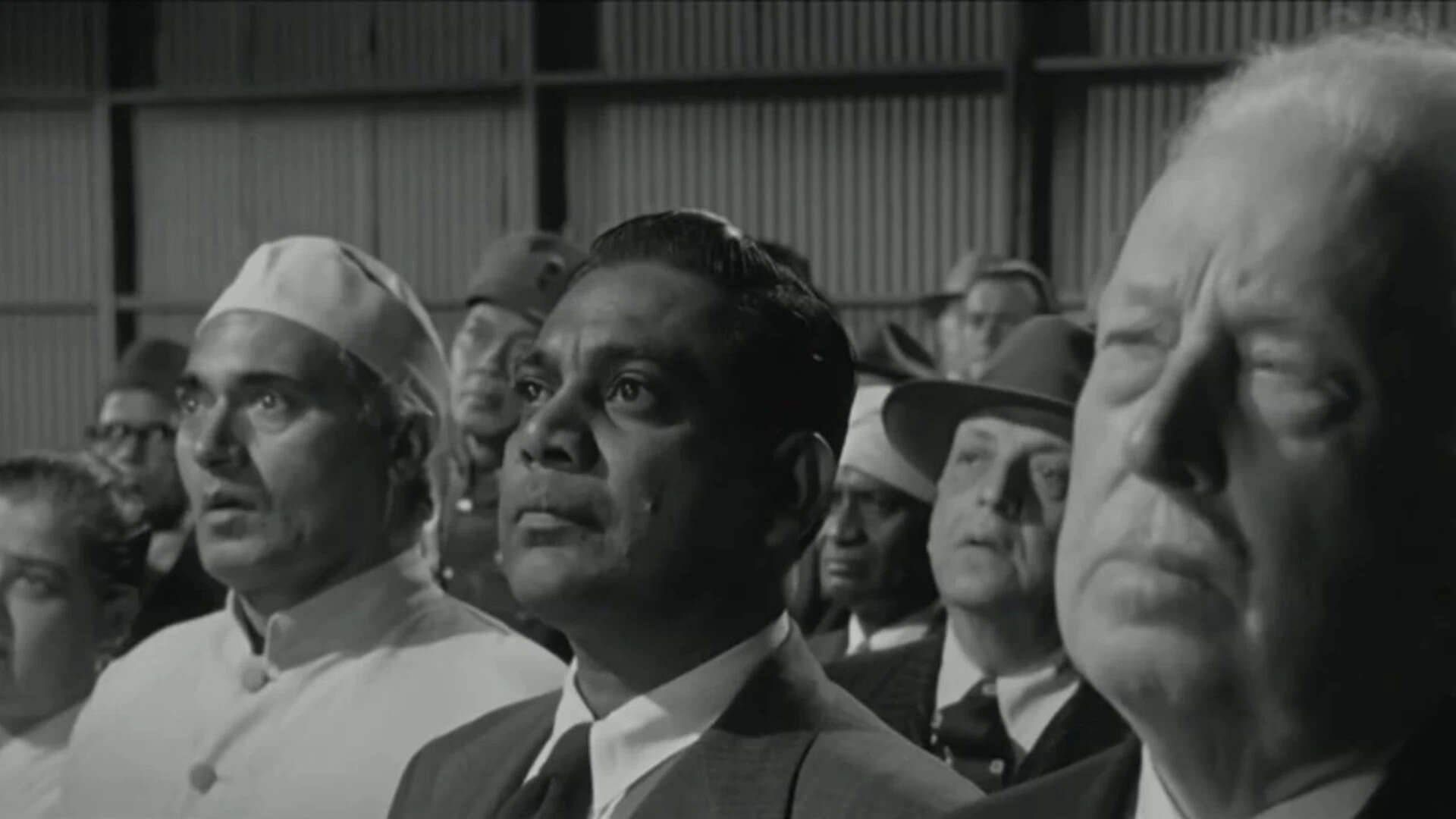
Across the banks of the Sutlej River, a hidden narrative of Punjab’s insurgency unfolds—thousands of civilians whose lives were lost to militant violence. This piece revisits their stories, the lingering pain of their families, and the ongoing demand for accountability.
The Sutlej River, stretching almost 440 kilometres, physically divides Punjab into Malwa on one side and Doaba-Majha on the other. Yet there is another, less visible Sutlej—a boundary of competing memories that deepened during the 1980s insurgency.
A Dual Narrative of the Sutlej and Armed Conflict
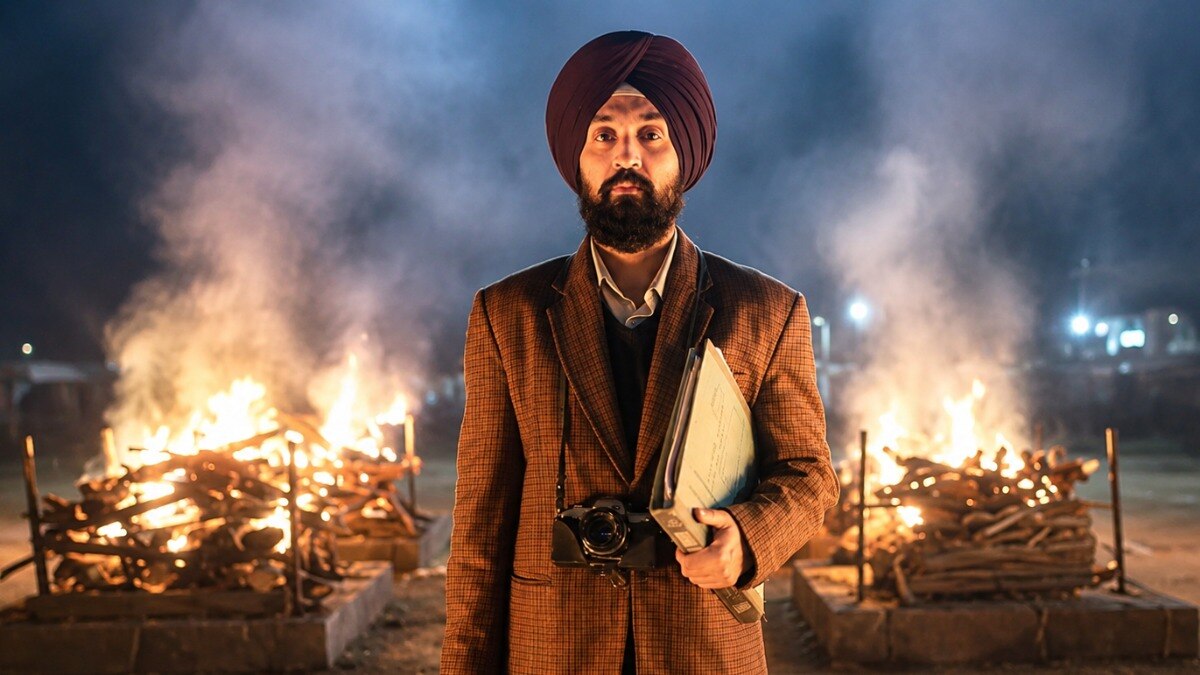
Actor Diljit Dosanjh’s upcoming film Sutlej revisits allegations of police excesses, fake encounters, and the cremation of unidentified bodies—issues championed by human‑rights activist Jaswant Singh Khalra. In contrast, the thousands of civilians—including journalists, political workers, and ordinary citizens—killed by Khalistani militants often remain in the shadows.
Human Rights Watch 1994 Report
The 1994 report by Human Rights Watch not only criticized alleged abuses by security forces but also documented widespread killings, targeted assassinations, and mass attacks by Khalistani groups from 1981 to 1992. Incidents such as the March 1992 Ludhiana market shooting, the November 1990 Islamabad Market attack, and the June 1991 double train bombing are detailed in the report.
Civilians Caught in Crossfire
The report reveals that militant groups targeted more than just police and government officials. Markets, buses, trains, villages, and places of worship became sites of violence. Hindu civilians, in particular, faced targeted attacks and were often threatened to leave Punjab.
Two Layers of History and the Call for Justice
Punjab’s insurgency is defined by two competing narratives: one of alleged state abuses, the other of the thousands of civilian deaths. Both are etched in history and continue to shape public debate. This article aims to bring these forgotten victims back into the conversation and highlight the ongoing pursuit of justice.