Archaeologists have unearthed a 3,000‑year‑old tomb near Luxor, Egypt, bearing inscriptions that point to senior official Paser. The find promises fresh insight into ancient Thebes’ bureaucracy and burial customs.
Key Takeaways
- 3,000-year-old tomb discovered near Luxor
- Inscriptions suggest it belonged to senior official Paser
- Find sheds new light on ancient Egyptian burial practices
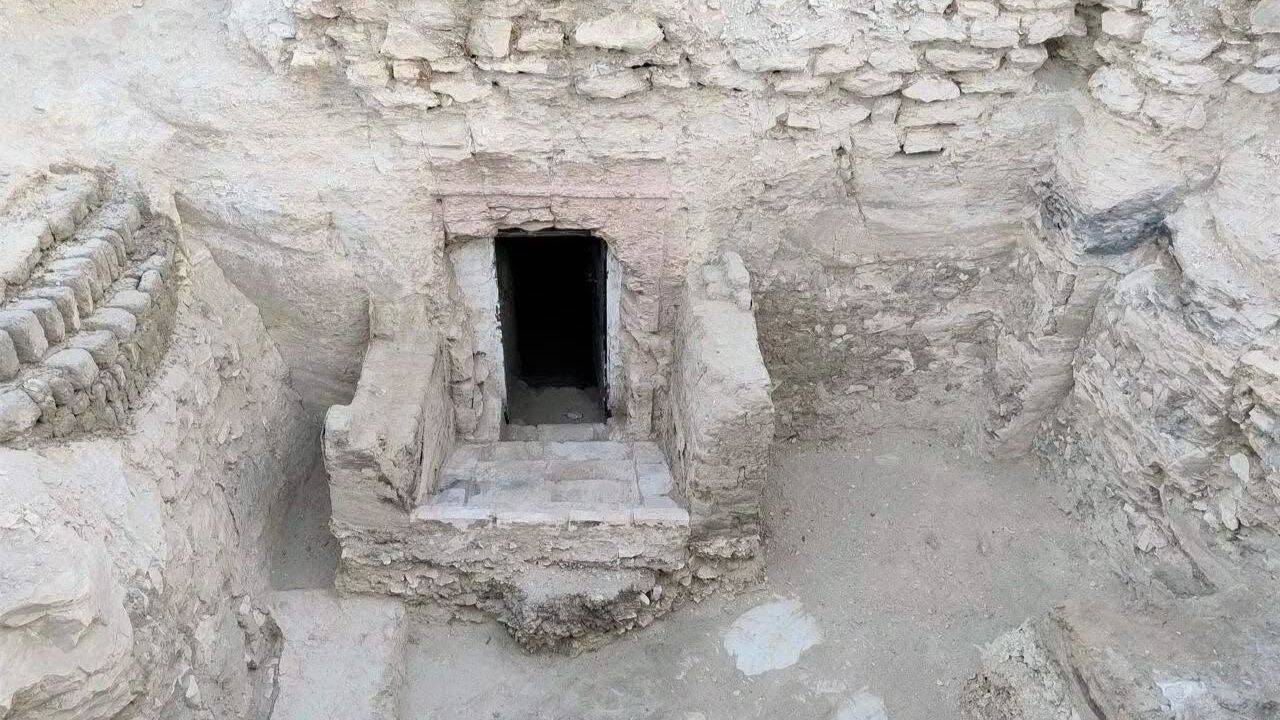
A monumental tomb dating back roughly three millennia has been uncovered just outside Luxor, a city that once formed the heart of ancient Thebes. The discovery, made by a joint Egyptian‑German archaeological team, is being hailed as one of the most significant finds of the year because the hieroglyphic texts inside appear to name the interred individual as Paser, a high‑ranking administrator of the New Kingdom period.
Who Was Paser?
The stone walls of the tomb are etched with a series of lofty titles: “Vizier of the Two Lands,” “High Priest of Amun‑Re,” and “Overseer of the Treasury.” Such epithets indicate that Paser occupied a dual civil‑religious role, acting as both chief minister to the pharaoh and a key figure in the cult of Amun‑Re. Scholars infer that officials of this stature were often involved in diplomatic missions, large‑scale construction projects, and the administration of royal estates, making the tomb a potential gold‑mine for understanding statecraft in the 18th‑19th Dynasties.
Insights into Burial Customs
The tomb’s architecture follows the classic “T-shaped” plan typical of elite New Kingdom burials, with a pillared hall leading to a deeper burial chamber. Inside, archaeologists have already catalogued a collection of funerary goods: gilded sarcophagi, alabaster canopic jars, and a series of papyrus scrolls containing spells from the “Book of the Dead.” Notably, a series of painted scenes depict the deceased’s journey through the Duat, reinforcing the ancient Egyptian belief in an afterlife where proper rituals could secure a safe passage to the Field of Reeds.
Future Research Directions
While the initial survey has focused on surface documentation, the team plans extensive excavations, radiocarbon dating, and 3‑D laser scanning over the next twelve months. These techniques will help pinpoint the exact chronology of the tomb, verify Paser’s identity, and possibly reveal previously unknown administrative titles that could reshape our understanding of Thebes’ bureaucratic hierarchy.
Global Significance and Heritage Management
Beyond its scholarly value, the tomb represents a vital component of Egypt’s cultural legacy. UNESCO officials have expressed interest in collaborating on preservation efforts, ensuring that the site is protected against looting while also being integrated into sustainable tourism initiatives. The discovery underscores the importance of continued investment in archaeological research as a driver of both knowledge and local economic development.